Carabao Cup semi-final draw: Newcastle vs Man City, Chelsea against Arsenal or Crystal Palace


Holders Newcastle will face Manchester City in the semi-finals of the Carabao Cup after both clubs progressed in Wednesday night’s quarter-finals.
The other semi-final will see Chelsea play either Arsenal or Crystal Palace.
Their quarter-final tie will be held next Tuesday at the Emirates.
Chelsea will host the first leg of the two-legged semi-final at Stamford Bridge, while Newcastle will be at home in the first leg against City.
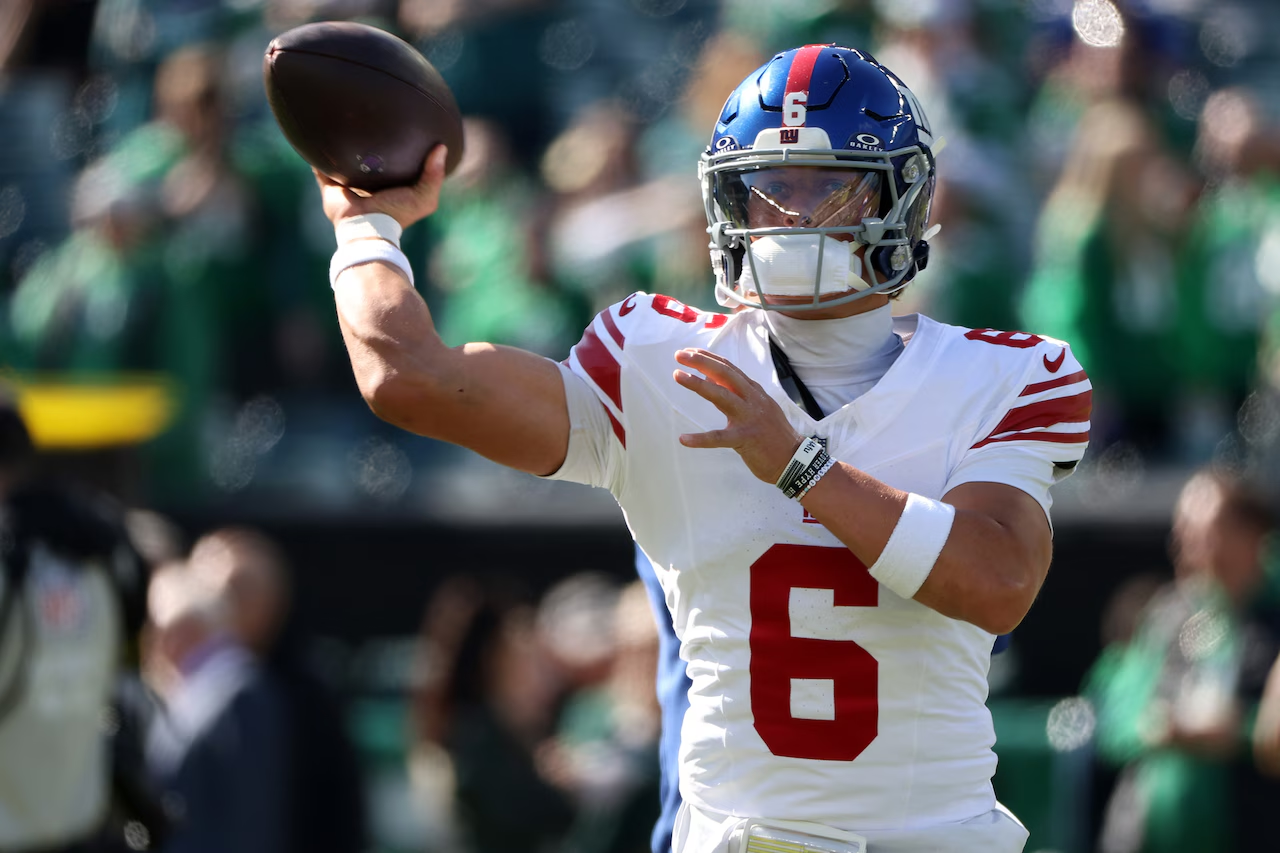
Newcastle beat Fulham 2-1 on Wednesday night to reach the last four, while City progressed past Brentford 2-0.
Watch highlights of Newcastle United’s 2-1 win over Fulham in the Carabao Cup quarter-finals
Watch highlights of Manchester City’s 2-0 win over Brentford in the Carabao Cup quarter-finals
Carabao Cup semi-final draw in full
Newcastle vs Manchester City
Chelsea vs Arsenal or Crystal Palace
Fixture pile-ups! Who each team faces in January…
For the four semi-finalists, a frantic January and February schedule awaits as they attempt to navigate three or four competitions…
Chelsea
January 4: Man City (A) – Premier League, kick-off 5.30pm, live on Sky Sports
January 7: Fulham (A) – Premier League, kick-off 7.30pm, live on Sky Sports
January 10: Charlton (A) – FA Cup third round, kick-off 8pm
w/c January 12: Arsenal or Crystal Palace (H) – Carabao Cup semi-final first leg
January 17: Brentford (H) – Premier League, kick-off 3pm
January 21: Pafos (H) – Champions League, kick-off 8pm
January 25: Crystal Palace (A) – Premier League, kick-off 2pm, live on Sky Sports
January 28: Napoli (A) – Champions League, kick-off 8pm
January 31: West Ham (H) – Premier League, kick-off 5.30pm, live on Sky Sports
w/c February 2: Arsenal or Crystal Palace (a) – Carabao Cup semi-final second leg
Manchester City
January 1: Sunderland (A), Premier League, kick-off 8pm, live on Sky Sports
January 4: Chelsea (H), Premier League, kick-off 5.30pm, live on Sky Sports
January 7: Brighton (H), Premier League, kick-off 7.30pm, live on Sky Sports
January 10: Exeter (H), FA Cup third round, kick-off 3pm
w/c January 12: Newcastle (A), Carabao Cup semi-final first leg
January 17: Man Utd (A), Premier League, kick-off 12.30pm, live on Sky Sports
January 20: Bodo/Glimt (A), Champions League, kick-off 5.45pm
January 24: Wolves (H), Premier League, kick-off 3pm
January 28: Galatasaray (H), Champions League, kick-off 8pm
February 1: Spurs (A), Premier League, kick-off 4.30pm, live on Sky Sports
w/c February 2: Newcastle (H), Carabao Cup semi-final second leg
Newcastle
January 4: Crystal Palace (H), Premier League, kick-off 3pm, live on Sky Sports
January 7: Leeds (H), Premier League, kick-off 8.15pm, live on Sky Sports
January 10: Bournemouth (H), FA Cup third round, kick-off 3pm
w/c January 12: Man City (H), Carabao Cup semi-final first leg
January 18: Wolves (A), Premier League, kick-off 2pm, live on Sky Sports
January 21: PSV Eindhoven (H), Champions League, kick-off 8pm
January 25: Aston Villa (H), Premier League, kick-off 2pm, live on Sky Sports
January 28: PSG (A), Champions League, kick-off 8pm
January 31: Liverpool (A), Premier League, kick-off 8pm
w/c February 2: Man City (A), Carabao Cup semi-final second leg
Arsenal
January 3: Bournemouth (A), Premier League, kick-off 5.30pm, live on Sky Sports
January 8: Liverpool (H), Premier League, kick-off 8pm, live on Sky Sports
January 11: Portsmouth (A), FA Cup third round, kick-off 2pm
w/c January 12: Potential Carabao Cup semi-final first leg, Chelsea (A)
January 17: Nottingham Forest (A), Premier League, kick-off 5.30pm
January 20: Inter Milan (A), Champions League, kick-off 8pm
January 25: Man Utd (H), Premier League, kick-off 4.30pm, live on Sky Sports
January 28: Kairat Almaty, Champions League, kick-off 8pm
January 31: Leeds (A), Premier League, kick-off 3pm
w/c January 12: Potential Carabao Cup semi-final second leg, Chelsea (H)
Crystal Palace
January 1: Fulham (H), Premier League, kick-off 5.30pm, live on Sky Sports
January 4: Newcastle (A), Premier League, kick-off 3pm, live on Sky Sports
January 7: Aston Villa (H), Premier League, kick-off 7.30pm, live on Sky Sports
January 10: Macclesfield (A), FA Cup third round, kick-off 12.15pm
w/c January 12: Potential Carabao Cup semi-final first leg, Chelsea (A)
January 17: Sunderland (A), Premier League, kick-off 3pm
January 25: Chelsea (A), Premier League, kick-off 2pm, live on Sky Sports
February 1: Nottingham Forest (A), Premier League, kick-off 2pm, live on Sky Sports
w/c January 12: Potential Carabao Cup semi-final second leg, Chelsea (H)