There will not be job cuts as a result of the overhaul, Marles said.
Marles said Labor had significantly increased defence spending since coming to office in 2022, and that this boost carried an obligation to ensure that this money is well-spent.
“The establishment of the Defence Delivery Agency will see a much bigger bang for buck for the defence spend,” he said.
Defence Industry Minister Pat Conroy said the overhaul was the biggest reform to the nation’s defence organisation in 50 years.
The reforms, he said, are “all about getting the equipment the brave men and women of the Australian Defence Force need into their hands sooner”.
Marles flagged the changes in a speech in June in which he declared “everything is on the table, including bureaucratic reform of the Department of Defence, of the Australian Defence Force, and of defence agencies”.
The Department of Defence has undergone several major restructures, including the creation of the Defence Materiel Organisation in 2000 and its abolition 15 years later, when it was replaced by the Capability Acquisition and Sustainment Group. There have been longstanding concerns within defence industry that the department is bloated, top-heavy, risk-averse and overly bureaucratic.
A new AUKUS Group overseeing the security pact has also been created within the Department of Prime Minister and Cabinet, to be led by deputy secretary Kendra Morony.
The overhaul comes as the government searches for a new head of the Australian Submarine Agency, which sits outside of Defence and is responsible for delivering the AUKUS pact’s nuclear-powered submarine program. The first boss of the agency, Vice Admiral Jonathan Mead, announced in November that he would step down from the pivotal role in the middle of next year.
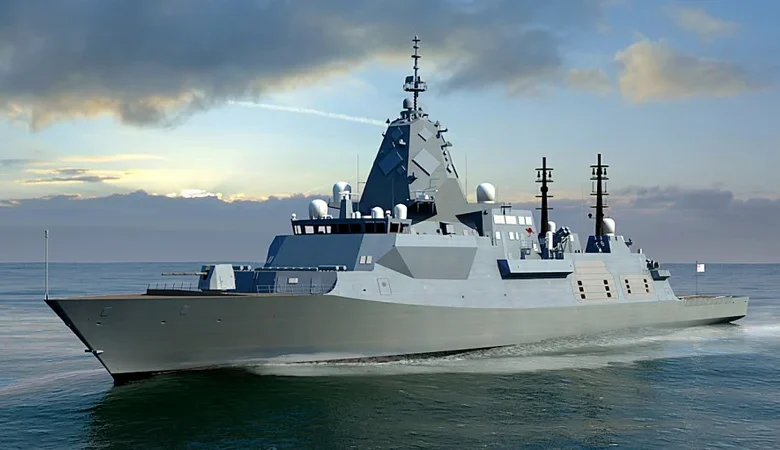
Sources familiar with the overhaul said it was designed to give the government more control over major acquisitions and avoid a repeat of the much-maligned Hunter-class project, which has been beset by design changes, delays and cost overruns.
Loading
The government last year decided to cut the number of Hunter-class frigates from nine to six because of concerns they lacked sufficient firepower.
There is a strong view within the government that the department has lacked accountability and needs to be transformed to ensure the defence force can respond to growing geostrategic competition in the Indo-Pacific, including China’s rapid military build up.
The government is also preparing to announce a dramatic overhaul of the sprawling defence estate portfolio, including selling historic sites in several capital cities.
Cut through the noise of federal politics with news, views and expert analysis. Subscribers can sign up to our weekly Inside Politics newsletter.