Quick Read
- Over 6,000 homes in Tunbridge Wells lost water due to a chemical issue at Pembury treatment works.
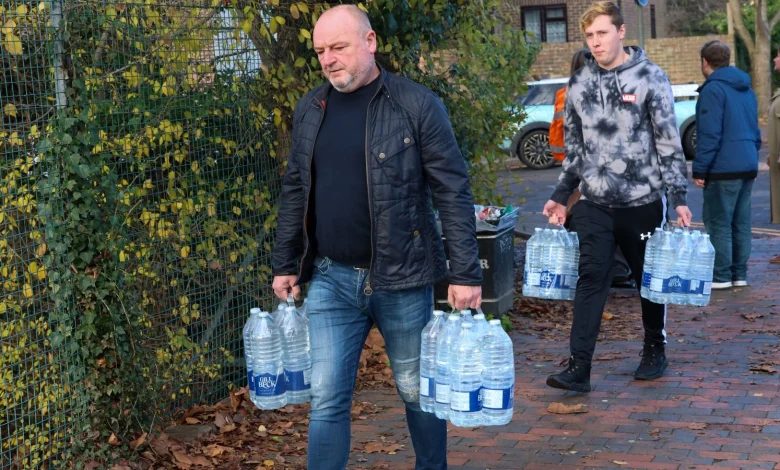
- Emergency bottled water stations have been set up, with up to 12 bottles per household distributed.
- Police were called to manage traffic chaos at collection points.
- 1,700 vulnerable residents and care homes received direct water deliveries.
- Water supply expected to be restored by 6:00 AM Monday, December 1st, 2025.
Emergency Bottled Water Stations Ease Tunbridge Wells Chemical Crisis
Sunday morning in Tunbridge Wells began with the sound of uncertainty. Overnight, a “bad chemical batch” at the Pembury water treatment works forced a sudden shutdown, leaving more than 6,000 households without running water. The ripple effect was immediate: taps ran dry, local tanks emptied, and the town found itself at the heart of an unexpected crisis.
Bottled Water Stations: The Community Lifeline
In response, South East Water scrambled to set up emergency bottled water stations across the area. The most prominent location, Tunbridge Wells Sports Centre on St John’s Road, opened its doors early, distributing up to 12 bottles per household. By 10pm, lines of cars and pedestrians snaked around the block, a testament to the urgency and scale of the disruption.
Despite the chaos, South East Water insisted that no station had run out of supplies. Bottled water remained available, and the company’s incident manager, Matthew Dean, moved quickly to reassure worried locals: “The water currently in supply is safe and does not require boiling.” For many, this was a critical message—one less thing to worry about in a morning full of surprises.
Traffic Gridlock and Police Intervention
But as word spread, traffic ground to a halt. Residents, anxious to secure water for their families, flooded the collection points. The resulting gridlock prompted police intervention, with officers deployed to manage queues and maintain order at the busiest stations. Social media lit up with reports of delays, confusion, and frustration. The Black Horse pub on Camden Road wasn’t immune; forced to close its doors after losing water supply since midnight, it joined a growing list of local businesses affected by the outage.
Special Support for Vulnerable Groups and Essential Services
Behind the scenes, South East Water’s response extended beyond the bottled water stations. For the 1,700 residents on the Priority Services Register—those considered vulnerable—water was delivered directly to their doors. Care homes also received emergency supplies, and Tunbridge Wells Hospital was supported by a dedicated water tanker, ensuring that essential medical services could continue uninterrupted.
MP Mike Martin, himself among the affected, took to X (formerly Twitter) to provide updates: “Site moving quickly, further sites being set up in town centre.” His posts reflected both the urgency and the adaptability of the response, as authorities raced to keep pace with the evolving situation.
Restoration Timeline and Community Patience
South East Water initially projected that normal supply would be restored by 6pm Sunday. However, as the day unfolded, it became clear that resolving the chemical issue and refilling local tanks would take longer. By late afternoon, estimates shifted, with the company announcing a revised timeline—water service was now expected to return by 6:00 AM on Monday, December 1st, 2025.
Residents were urged to remain patient and continue using bottled water stations. For some, the delay meant an uncomfortable wait; for others, it was a moment to reflect on the fragility of essential services and the importance of rapid, coordinated response in times of crisis.
Community Resilience Amid Disruption
Throughout the day, the spirit of Tunbridge Wells was on display. Volunteers helped distribute water, neighbors checked in on one another, and local authorities worked tirelessly to restore order and provide updates. The bottled water stations, while a temporary fix, became symbols of community resilience—a reminder that, in the face of disruption, people come together to support each other.
By Sunday evening, with the water outage stretching into its second day, frustration mingled with gratitude. Many praised South East Water for its direct communication and swift action, while others called for long-term improvements to prevent future crises. As the town waited for its taps to flow once again, the experience left an indelible mark on residents—both a challenge and a lesson in collective responsibility.
What Comes Next?
As of late November 2025, the immediate crisis is expected to end early Monday morning. Yet for Tunbridge Wells, the incident has sparked broader conversations about infrastructure, emergency planning, and the need to safeguard public utilities against unexpected disruptions. For now, bottled water stations remain open, police continue to manage traffic, and the community waits—resilient, if a little weary—for the return of normality.
In the aftermath of the chemical crisis, Tunbridge Wells demonstrated both vulnerability and strength. The swift setup of bottled water stations and support for the most at-risk residents showcased effective emergency management, but the incident also exposed how a single point of failure can ripple through a community. Going forward, this event will likely prompt scrutiny of local water systems and encourage investment in resilience planning, ensuring that when the next disruption comes, Tunbridge Wells will be even better prepared.