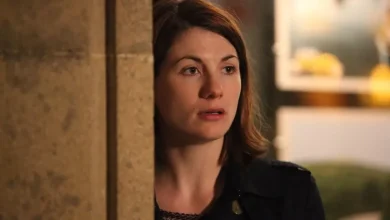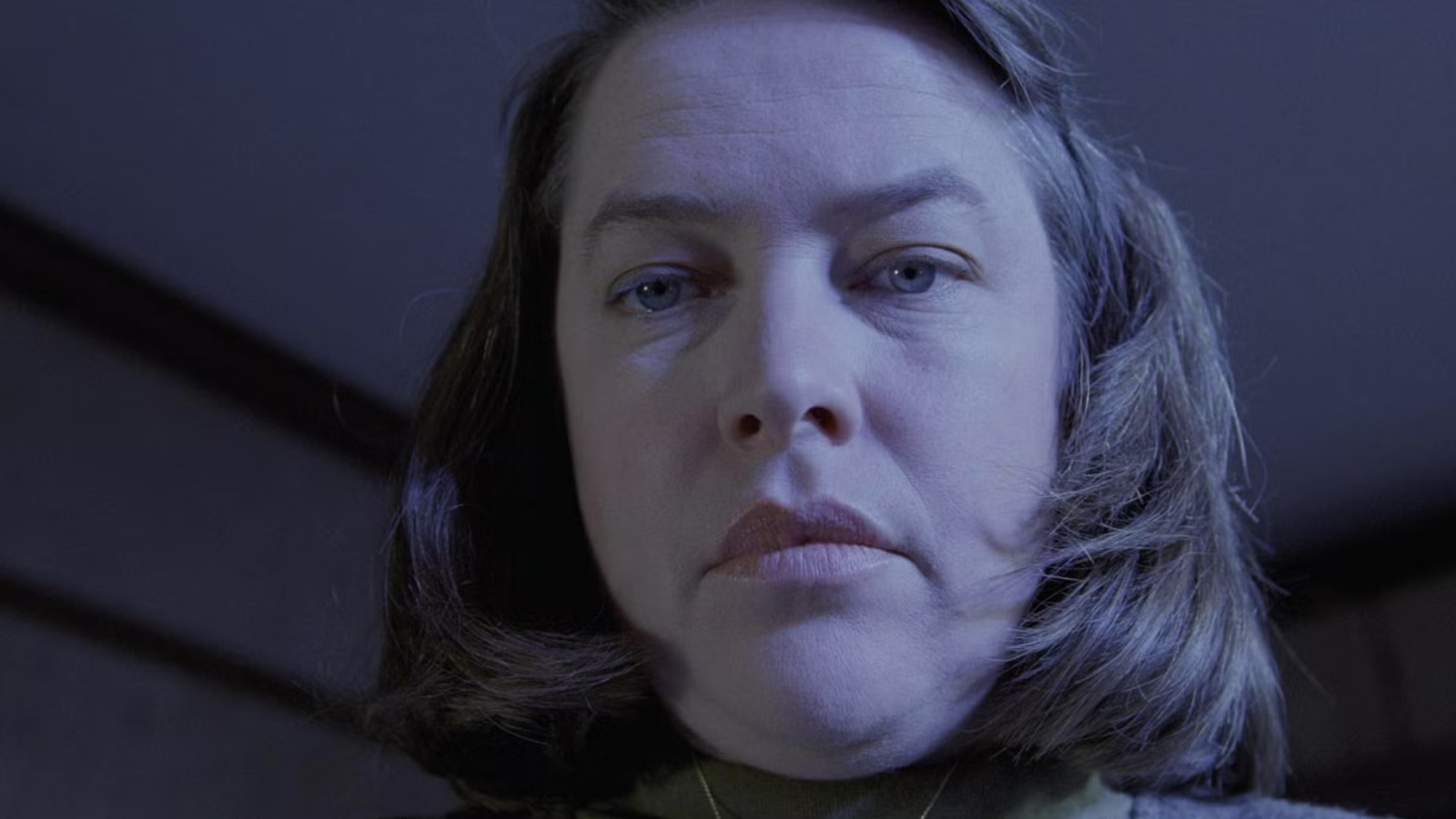
Misery, the film adaptation of the Stephen King novel of the same name, first landed in theaters on November 30, 1990. Starring James Caan as popular novelist Paul Sheldon and Kathy Bates as an obsessive fan of his work, Misery examines the depths that unhealthy obsessions can drive people to — and the blood price often paid by those who enjoy fame and riches due to their work.
Sheldon is beloved around the world for his romance novels, which follow the trysts and trials of a Victorian-era protagonist named Misery Chastain. Though his Misery series has earned him accolades and a comfortable life, Paul isn’t fulfilled by his work, and is looking forward to publishing a new, non-Misery novel that deals with grittier themes than Victorian courtship. (Paul’s situation is actually remarkably similar to that of Pluribus protagonist Carol Sturka: Both characters are romance writers who largely hate their own work despite its success, and both of them yearn to publish novels focused on more serious matters.)
After finishing his latest novel, Paul gets on the road to deliver it to his agent for editing and publication. But a snowstorm hits during the ensuing drive and Paul crashes in a snowy ditch. Luckily, someone is nearby and comes to his rescue, saving him from certain death. Unluckily, that someone is Annie Wilkes (Kathy Bates), a seemingly harmless former-nurse-turned-social-recluse who also happens to be his number-one fan.
At first, the fact that Paul’s car crashed so close to Annie Wilkes’ secluded cabin seems like a stroke of luck.Image: Castle Rock Entertainment
Because the crash happened in the middle of nowhere, Annie takes Paul — who broke both legs during the crash — back to her secluded cabin. There, she tends to his injuries and reveals that she knows a great deal about both Paul’s work and Paul himself. Given the inclement weather (which has taken down local phone lines) and the severity of his injuries, Paul has no real choice but to wait out the storm, hoping the authorities get the phone lines reconnected soon so he can seek medical treatment. But Annie has other plans, and when she learns that Paul’s final Misery novel sees its protagonist killed off, she snaps, burning the manuscript. Later, in Misery‘s most disturbing scene, she worsens Paul’s injuries in a grisly bid to ensure he cannot escape without first penning a new version of the novel that ends with the protagonist surviving.
I first watched Misery as a teen, and remember thinking, “Man, all of this could have been avoided if Paul had access to the Internet.” But re-watching it now, in the era of “BookTok,” Patreon, and social media marketing, I can’t help but feel like things would go down quite similarly if Misery were set in the 2020s. Sure, Paul might have avoided his initial car accident if he’d been able to simply email his latest transcript to his publisher, but he’d also likely have that same publisher urging him to engage with his fans on social media.
Paul soon finds himself trapped in Annie’s home, unable to leave due to injuries caused by the car crash — and later inflicted by Annie herself.Image: Castle Rock Entertainment
Of course, there’s nothing wrong with telling someone that you’re a fan of their work, nor is it poor form to show gratitude to people who have supported your own creative endeavors. But with the internet giving the Average Joe more access than ever to their favorite creators, the risk of parasocial relationships grows ever greater. Writers, musicians, actors, and influencers are pushed to share their personal lives online in return for more views, more press, and more money. And although most fans are generally respectful, there’s no telling when your work might begin to resonate with someone whose fondness for it is closer to obsession than appreciation.
Misery is terrifying in part due to the talent of those involved in its creation. King is a phenomenal writer, Rob Reiner is a great director, and Bates is a fantastic actress who really sells the “unhinged fan” trope. But the main aspect of the film that keeps me up at night is the fact that obsessive fan behavior has become far more normalized in the years since Misery‘s release, with both creatives and their “followers” encouraged to feed into an unhealthy relationship dynamic that often harms more than it heals — all in the name of fandom.