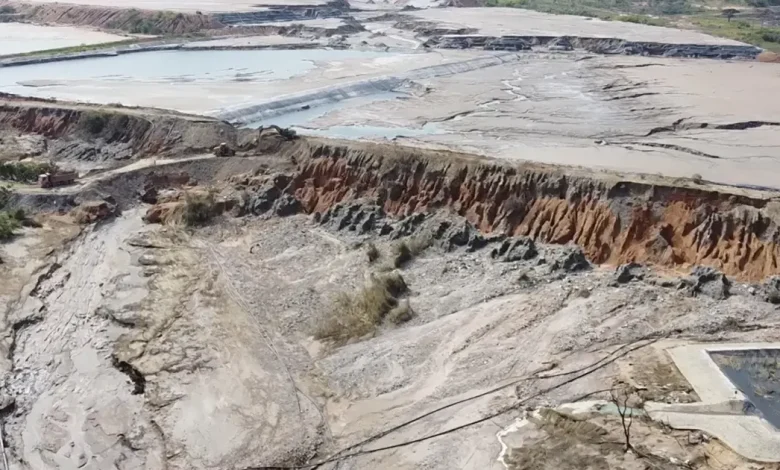
When 29-year-old Norbert Amoya went to fetch water from a river in northern Zambia earlier this year, he found large numbers of dead fish and the water had a strange smell. The cause was a major mining disaster. On February 18, a dam at a Chinese copper mine had burst and released toxic waste into a tributary of Zambia’s largest river, threatening the ecosystem, the livelihood of millions, and putting communities at grave risk of cancer and other ill-health.
Such disasters can be prevented.
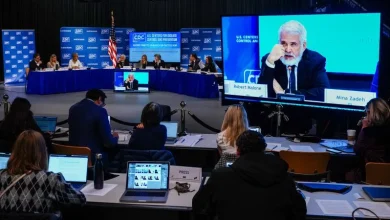
This week, states coming together for the United Nations Environment Assembly, the world’s top environmental policymaking body, will deliberate on measures to do so. The Colombian government has taken the lead by proposing a new global treaty to address environmental risks in mining, including due diligence and traceability in mineral supply chains. Many other governments, including Armenia, Ecuador, Oman, and pollution-affected Zambia, are joining the initiative, which calls for the “environmentally sound management of minerals and metals”.
As US environmental protections and the EU supply chains law are being weakened, this initiative marks a bold move welcomed by civil society groups, including Human Rights Watch.
As a first step, Colombia and its allies propose a UN working group to explore options for binding and non-binding measures. Such working groups have previously been successful at initiating treaty processes.
But there is pushback and negotiations at the summit will likely be tough, as some countries, including Saudi Arabia, Iran, and Russia oppose any binding measures.
Voluntary measures by businesses are not sufficient to protect human rights and the environment, as investigations by Human Rights Watch and others have repeatedly shown. In Zambia, while the Chinese company provided some compensation payments to community members, it also reportedly suppressed a study on the full scale of the disaster.
As demand for minerals for energy transition, defense, and other technology increases, it is vital that governments around the world work to protect the environment and ensure human rights safeguards in global mineral supply chains. All governments attending this week’s assembly should support Colombia’s initiative for a binding minerals treaty.