An increase in labour costs set to be included in today’s Autumn Budget has been described as a “massive blow” to the construction sector.
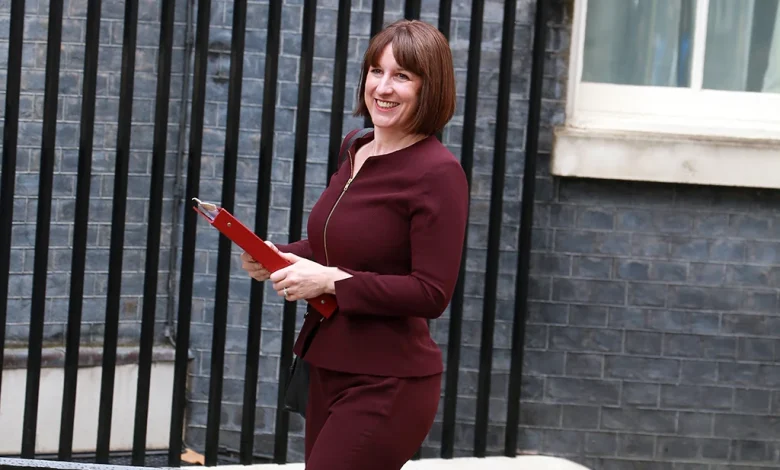
After weeks of speculation over its contents, Chancellor Rachel Reeves was due to unveil the Autumn Budget to the House of Commons at lunchtime.
Key points already trailed have seen the announcement of a rise in the minimum wage, a new mileage tax on electric vehicles and a council tax surcharge on properties worth more than £2m.
Reeves is also expected to announce a freeze in income tax thresholds until April 2031 which will see more people paying higher rates of income tax as their pay rises.
Philip Pepper, employment partner at law firm Shakespeare Martineau, described the move to raise labour costs as a “massive blow” to the construction industry.
“Business owners knew this Budget would be a tough pill to swallow, but with an increase to minimum wage only last year – no one expected this,” he said.
“These changes come at a time when the cost of materials is higher than ever.”
Reeves was set to announce that the National Living Wage will rise by 4.1 per cent for those aged 21 and over, bringing it up to £12.71 an hour.
In addition, workers between 18 and 20 are expected to see an 8.5 per cent rise to £10.85 an hour.
For 16 to 17-year-olds, as well as those on apprenticeships, there will be a 6 per cent increase, bringing their minimum wage up to £8 an hour.
All the increases will take effect from April next year.
Sean Keyes, chief executive officer of engineering consultants Sutcliffe, said: “The chancellor speaks of growth and stability, businesses are left wondering how we’re meant to deliver it when employment costs have just been substantially increased.
“You cannot simultaneously increase the cost of employment whilst calling for economic growth – something has to give.”
Pepper added: “Construction companies must ensure they are aware of the implications to their bottom line and their payroll function.
“Pay disputes make up a hefty portion of employment tribunals, and even minor errors can escalate into legal action. With other payroll changes, for example an increase in Statutory Sick Pay and national insurance contributions, reviewing payroll processes and providing training for finance and HR teams is essential.
“With the increased issues around using zero hours contracts not so long ago, which also threw the construction sector into chaos, it does feel that the government have forgotten that these changes do add up. The government will have to do something about the rising cost of doing business in this country or risk it blowing up in their faces.”
Reeves was also set to unveil plans to use public private initiative money to build or refit 250 new healthcare centres across the UK.
“With construction delivered by a dynamic new approach between the public and private sector, involving both repurposing current estate and new buildings, Neighbourhood Health Centres are a key part of the government’s plan to build an NHS fit for the future, one that fits around people’s lives and is an integral part of their community,” the Treasury said.
Just moments before the Budget was announced the Office for Budget Responsibility (OBR) released its economic and fiscal outlook in error.
The OBR says an investigation into the early release has been launched.