The Jeff Bridges movie that shot a “terrible” alternate ending on purpose: “It was a ballsy move”

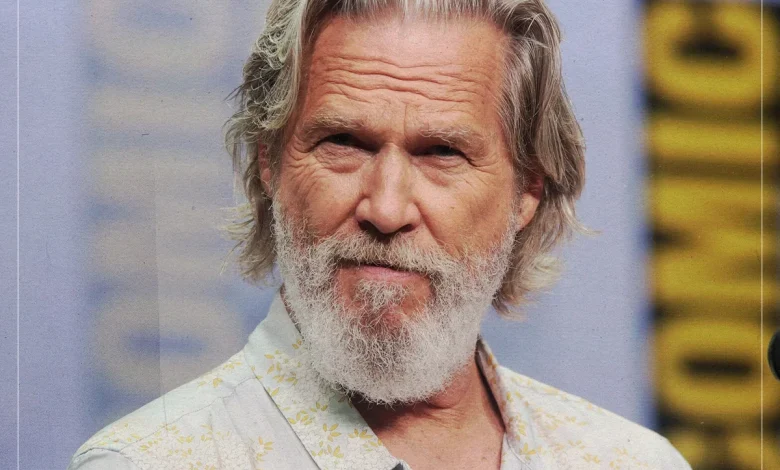
(Credits: Far Out / Gage Skidmore)
Thu 4 December 2025 12:30, UK
It’s often the case that filmmakers have to shoot alternate endings for their movies, whether that be to hide the real ending from the cast and crew or to please the studio executives, but the latter was the case for a certain Jeff Bridges film, although the whole ordeal was a massive risk.
Hollywood is a strict business where certain agendas are all too often pushed and profit is key, so even when a filmmaker proposes a specific ending to their movie, if the higher-ups don’t approve of it, they might be in with the chance of losing all creative control. Unless you’re making something completely independently, you’re probably going to find yourself at odds with the studio at some point or other during production, and that’s something you’ve just got to accept.
But if you’re clever enough, you can find ways to get what you want, and in the case of Bridges’ film Arlington Road, director Mark Pellington knew what he had to do to get his ending approved by the studio. Although it’s not one of Bridges’ most memorable films from the decade, it received pretty decent reviews and saw him play Michael Faraday, a university professor who finds himself obsessing over his neighbours, portrayed by Tim Robbins and Joan Cusack, whom he suspects of plotting an act of terrorism.
The suspenseful thriller drew from the paranoid movies of the 1970s and shocked many viewers, because (spoiler alert), the movie ends with Michael dying in a bomb explosion and being framed for terrorism.
Hollywood loves a happy ending, and this was anything but: cynical and nihilistic, like those ‘70s thrillers it was emulating, the film’s ending was initially flagged by the studio who thought it was too bleak to have Bridges’ character killed off.
Talking to Steam Magazine, the actor revealed, “I remember when the director, Mark Pellington, came to me with a drab look on his face and said that the ‘suits’ were unhappy with the ending and wanted my character to live, so they asked to change the ending.”
Pellington didn’t want to bow down to these executives when he had a great ending in mind, so he got creative and decided to film an alternate ending so terrible that there’d be no choice but to use the original one. Now, that seemed like a smart idea, but it had the potential to go awfully wrong if the studio actually decided they preferred it.
He chose to take the gamble, though, with Bridges continuing, “I remember fighting back, saying that changing the ending defeated the purpose of the film, but they demanded an alternate ending be shot. He had the balls to shoot a terrible alternate ending, so bad that they weren’t able to use it, which was dangerous because, as bad as it intentionally was made, they still could’ve used it and really ruined the film. It was a ballsy move that paid off for a very unusual movie.”
Arlington Road wasn’t the biggest hit, but there has been a television series adaptation reportedly in the works for the past few years, so perhaps it’ll eventually find new life on the small screen.
Related Topics