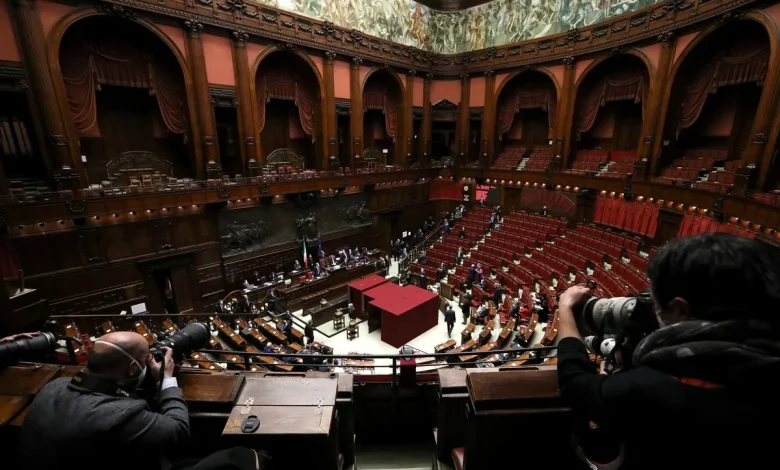
The legislation is explicitly framed as a safeguard against what its backers term “gender ideology,”
A new bill passed by Italy’s lower house of parliament proposes allowing sex education in middle schools, for students aged 11 to 14, only with written parental consent. At the same time, it would ban sex education entirely in primary schools. Supporters of the bill argue that the measure restores family authority over what children are taught about sexuality, gender, and relationships.
The legislation is explicitly framed as a safeguard against what its backers term “gender ideology,” a phrase used to criticise the inclusion of topics related to sexual diversity and gender identity in school curricula. Lawmakers defending the proposal say it ensures that children are introduced to these subjects only when parents believe they are ready. Critics, however, describe it as a step backward in an era where understanding consent, sexual health, and gender equality is considered essential.
Government justification
Education Minister Giuseppe Valditara has defended the bill in parliament, emphasising that it does not eliminate teaching on relationships, respect, or empathy. According to the government, the law formalises parental consent as a safeguard, ensuring families are involved in decisions about sensitive educational content.
Most Read on Euro Weekly News
During the parliamentary debate, Valditara accused opponents of misrepresenting the bill, particularly by linking it to efforts to prevent femicide and gender-based violence. He described such claims as misleading, asserting that the bill is not intended to undermine safety education but to protect parental rights. The debate was highly charged, with protests from opposition lawmakers highlighting the contentious nature of the issue.
Public response
Criticism from opposition parties
The bill has provoked strong opposition from political parties on the centre-left, civil-society organisations, and women’s rights activists. Critics argue that restricting sex education undermines the ability to teach young people about consent, healthy relationships, and equality between genders. Many fear it could leave children unprepared to navigate challenges in adolescence and adulthood.
Families of femicide victims have also spoken out, stressing that comprehensive sex education is an essential preventive tool. Historical attempts to make sex education mandatory in Italy, dating back to the 1970s, have often been blocked by conservative and religious groups, contributing to a patchwork of inconsistent educational standards across regions.
Broader societal concerns
Critics additionally point out that Italy’s approach to sex education has historically been limited, with programs focusing largely on biological facts rather than emotional, relational, and social aspects of sexuality. Demonstrations have taken place outside parliament, highlighting a divide between citizens advocating for comprehensive programs and lawmakers supporting the bill’s restrictions. Some educators warn that withholding information on consent and gender identity may inadvertently increase the risk of harassment and violence.
Legislative context
Senate review and political backdrop
Following approval by the lower house, the bill now moves to the Senate, where it must secure final passage. Supporters see it as part of a broader movement to reinforce traditional family structures and values in a country where religious and conservative influences remain strong.
Opponents highlight a perceived contradiction: while Italy is enacting tougher laws to punish gender-based violence and femicide, it is simultaneously limiting preventive education that equips young people to understand consent, healthy relationships, and equality. The controversy reflects a wider cultural clash over how society balances tradition, parental authority, and modern approaches to gender and sexuality in schools.
Key points
- Sex education in middle schools would require parental consent; it is banned in primary schools.
- Supporters argue the bill protects children from exposure to “gender ideology” and defends traditional family values.
- Critics warn it undermines efforts to prevent sexual violence and leaves students unprepared for healthy relationships.
- The legislation has passed the lower house and is awaiting Senate approval.
- Public opinion polls suggest strong support for school-based sex education, revealing a generational and ideological divide.
Conclusion
The debate over Italy’s sex-education bill highlights the tension between tradition and progressive reforms. Lawmakers argue for parental authority and the protection of conventional family structures, while civil-society groups, educators, and families warn of the risks associated with limiting access to comprehensive education.
As the bill moves to the Senate, the controversy is expected to intensify. It serves as a barometer for broader societal conflicts in Italy over gender, sexuality, and the role of schools in preparing young people for relationships and personal safety. Public sentiment, which remains strongly in favour of comprehensive sex education, underscores the growing divide between political agendas and societal expectations.