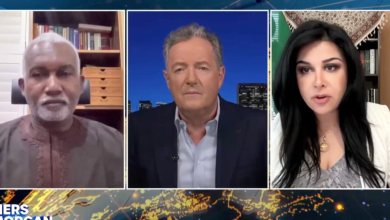
Blair Westlake, a media executive and former chair of Universal Studios’ television and networks group, told the BBC’s Today programme that “the only two pieces that matter” when it came to competition concerns were the combination of Netflix and Warner Brothers’ HBO streaming business.
“Netflix is not in the studio production business the way Warner Brothers is, and even the library size of films and television programming that Netflix owns pales in comparison to Warner,” he said.
However, while the Netflix deal would give it a strong position in video streaming, experts have said it would not look so dominant if regulators adopt a broader definition, to include cable and broadcast TV and also YouTube as competitors.
“A lot of people don’t realise that the number one place that consumers in the world go for viewing of content consumption is YouTube, and it’s far and away beyond anything else,” said Mr Westlake.
He added he thought the deal would eventually be approved, but “I think that there will probably be concessions that have to be made”.
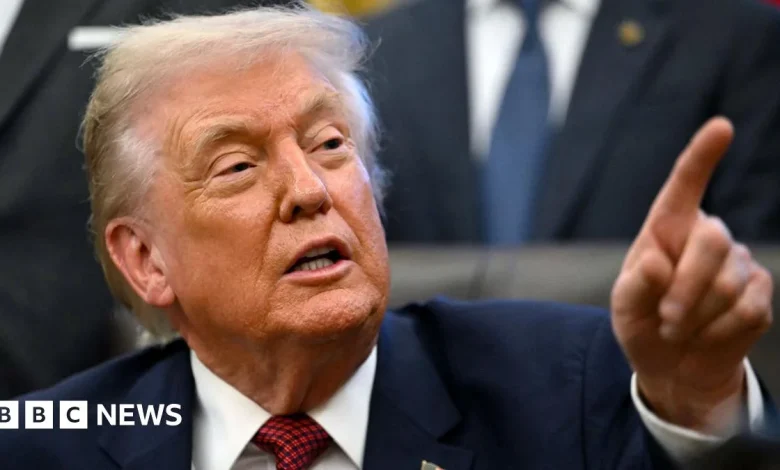
Bill Kovacic, a former chair of the US competition watchdog the Federal Trade Commission, told the Today programme that Trump’s comments meant negotiations over any problems surrounding the deal were “going to run through the White House”.
“That means that we’re going to have probably a deep level, an unprecedented level of presidential control in the resolution of what used to be a technical analysis of a merger,” he said.
Netflix beat several rivals including Comcast and Paramount Skydance to strike an agreement with Warner Bros.
Paramount Skydance, which is headed by David Ellison, had previously tried to buy all of Warner Bros, including its cable networks.
Warner Bros rejected that approach before putting itself up for sale.
David Ellison’s multi-billionaire father, Larry Ellison, is a close ally of Trump.
The Writers Guild of America’s East and West branches called for the merger to be blocked, saying the “world’s largest streaming company swallowing one of its biggest competitors is what antitrust laws were designed to prevent.”
“The outcome would eliminate jobs, push down wages, worsen conditions for all entertainment workers, raise prices for consumers and reduce the volume and diversity of content for all viewers,” it said on Friday, external.