Opinion
Tim BiggsConsumer Technology Writer
December 9, 2025 — 5:13pm
December 9, 2025 — 5:13pm
Save
You have reached your maximum number of saved items.
Remove items from your saved list to add more.
Save this article for later
Add articles to your saved list and come back to them anytime.
Got it
In the days leading up to December 10, most apps and platforms affected by the government’s new social media age restrictions have already detailed how they’ll comply. And in the days following, the office of the eSafety commissioner will be kicking the tyres to see if those measures are working and are sufficient.
Meanwhile, thousands of teens will be adjusting to a new normal. And that’s what most of the analysis and coverage of the social media ban has been concerned with.
Psychologists and welfare experts have warned of mental health impacts and the need for extra support, which is of real concern for under-16s who spend a lot of time online, especially if they used social media to connect with communities they don’t have access to otherwise.
The social media restrictions will be awkward and incomplete, but that doesn’t mean they won’t ultimately be worthwhile.Bloomberg
Many have pointed to the likelihood of technological workarounds like virtual private networks (VPNs), which would let underage users pretend to be logging in from elsewhere in the world, potentially side-stepping the ban. It’s not impossible for social media companies to detect this, but it’s also not straightforward.
The likely methods of age verification have also been criticised as being too easy to trick. If a 14-year-old says they’re older, and their parent uses their own face for the selfie check, they’ll probably avoid the ban. One expert even noted with irony that the ban exists because the government doesn’t trust parents to protect children, and yet any child can avoid the ban if their parent lets them.
But the reality of the impact on day one or week one – be it teething issues, squabbles with non-complying platforms, whack-a-mole solutions or the ease of circumvention – doesn’t necessarily speak to the potential long-term impact.
Related Article
Most Australians support the idea of social media being restricted for under-16s which I think reflects how broadly accepted its dangers are. An age limit on these kinds of services could actually change things for the better, regardless of government intent or clumsy execution or how easy it is to get around.
Kids should absolutely be able to communicate and share and learn and even socialise over the internet. But many of these apps are places where huge tech companies use algorithms and dark patterns to keep users engaged, extracting as much value as possible. Where anyone who’s motivated to push misinformation, products or political ideologies onto an impressionable audience can pay to do so. It can also be very easy to expose personal identifiable information, or develop harmful and self-sabotaging attitudes.
Kids under 16 who are currently on social media will be understandably sore about being kicked off. In many cases, they might use a VPN to get around it, or simply try lying, or ask for their parents’ help. They might co-ordinate with friends to hop to smaller similar apps and hope they don’t also end up complying. But none of that hurts the potential efficacy of the ban in the long term.
The immediate impact might be that only a fraction of all 13-, 14- and 15-year-olds stop using the apps, but that fraction will grow over time, as the apps will become far less appealing when fewer of the kids’ friends are using them.
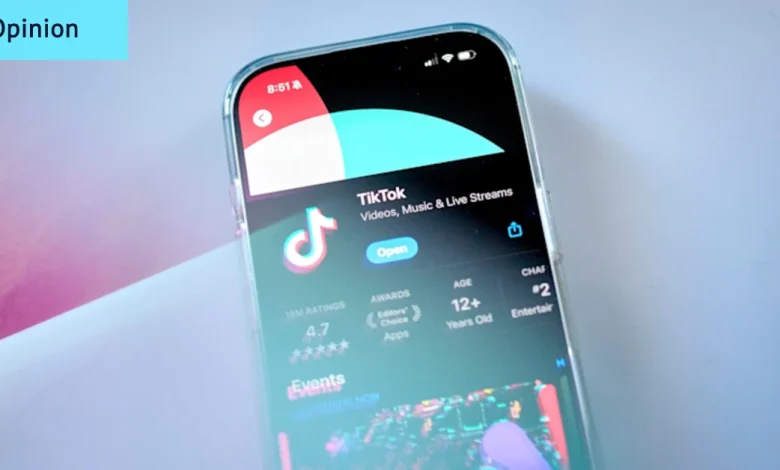
Each year, the new 13-year-olds will have grown up with significantly less exposure to the idea of using social media. Of the children who are 10 today, will any of them ever want to be on TikTok or Instagram badly enough to sneak in before their 16th birthday? In three years, if they and all their friends are just not interested, the ban will have been a success.
Ideally, as we adjust to the new landscape and similar restrictions come into place around the world, alternatives will appear that have less of a focus on constant engagement, algorithmically served content, maximising likes, and monetisation.
It would be great for kids to have ubiquitous and safe online spaces for themselves and their friends and their communities, where they can share their thoughts and creations. And then, when they turn 16, they can decide if and how they want to connect to the entire world.
That’s admittedly a tough system to build if you’re not making billions from selling people’s information for advertising though.
Editor’s pick
Currently, the best options are messaging and gaming platforms, some of which seem ideal to grow into these kind of spaces. Others in that group need different kinds of regulation and scrutiny before I’d consider them safe.
Ultimately though, making the kind of platforms specified in the new laws less desirable for kids over time (and for adults too) could end up being a good thing, even if it’s not a silver bullet for online harms. It might help us find ways to connect, create and consume online without being treated like cattle or pawns.
Get news and reviews on technology, gadgets and gaming in our Technology newsletter every Friday. Sign up here.
Save
You have reached your maximum number of saved items.
Remove items from your saved list to add more.
Tim Biggs is a writer covering consumer technology, gadgets and video games.Connect via Twitter or email.
Most Viewed in Technology
From our partners