Key Points
- Highlight Darlene Love’s enduring impact as the voice behind the 1963 holiday classic ‘Christmas (Baby Please Come Home),’ which has become a seasonal staple.
- Describe Love’s upcoming performance on The Tonight Show Starring Jimmy Fallon on December 18, reviving her annual holiday tradition on television.
- Explain the challenging recording conditions of the song and Love’s complex relationship with producer Phil Spector, including her successful lawsuit for unpaid royalties.
It’s a season of musical celebration, nostalgia, and a touch of bittersweet reflection as two legends of American popular music—Darlene Love and Warren Zevon—find themselves at the center of renewed attention this December. Their stories, spanning decades and genres, offer a window into the enduring power of song, the complexities of show business, and the ways music weaves itself into the fabric of our lives.
At 84, Rock and Roll Hall of Fame inductee Darlene Love remains a vibrant force in the world of holiday music. Her voice, immortalized in the 1963 classic “Christmas (Baby Please Come Home),” seems to echo from every corner this time of year. “The post office, grocery store, elevator,” she laughed in a recent interview at Sony Music Entertainment in New York. “It just feels funny that my song is in that many places at Christmastime.” According to the Associated Press, Love’s bemused pride is unmistakable—she’s delighted that her song has become an omnipresent part of the season.
Originally released on Phil Spector’s album A Christmas Gift for You, “Christmas (Baby Please Come Home)” didn’t soar up the charts immediately. Its debut was marred by tragic timing: the album was released on the same day President John F. Kennedy was assassinated in November 1963. Yet, over the decades, the song’s slow burn transformed it into a holiday staple, now standing shoulder to shoulder with the likes of “White Christmas” and Mariah Carey’s “All I Want for Christmas Is You.”
Love’s annual performances of the song on David Letterman’s late night show became a cherished American tradition, running for nearly three decades until 2015. This December, she’s bringing the magic back to television, scheduled to perform on The Tonight Show Starring Jimmy Fallon on December 18, joined by Steve Van Zandt and Paul Shaffer. The anticipation is palpable—can anything beat the thrill of hearing a holiday anthem live, especially from the artist who made it famous?
Behind the scenes, the creation of “Christmas (Baby Please Come Home)” was as memorable as the song itself. Love recalls being skeptical when Phil Spector first suggested a rock-and-roll Christmas song. The recording session took place during the sweltering summer of 1963, but Spector was determined to conjure a wintry spirit. “He went out and got Christmas lights and a Christmas tree and made it freezing cold in the studio,” Love remembered. “I told him, ‘You can’t do that — that’s going to close up our throats.’ So the only thing we had left were the lights, and everybody was in a great mood.” The result was a recording that captured not just the sound but the feeling of the holidays—a feat that’s rarely matched.
Love’s powerful mezzo-soprano and emotional delivery helped define her career, but her partnership with Spector was far from simple. Their relationship, as reported by the Associated Press, was often contentious. In the 1990s, Love famously sued Spector for unpaid royalties and won $250,000. Despite the legal battles, she looks back on parts of their history with a mix of affection and humor. “I was always getting everybody in trouble,” she joked, recalling how she protected young singers like Cher and Ronnie Spector during studio sessions. In fact, Cher herself contributed backing vocals to “Christmas (Baby Please Come Home)” and later joined Love on tour—a testament to the song’s collaborative spirit and the tight-knit world of 1960s pop.
Why does the song endure, even after more than 60 years? Love has her theories. “It’s easy to sing, and the words can be about anybody—a lover, a sister who got lost, or somebody who passed.” Its emotional versatility, she believes, keeps it relevant for new generations. Yet, when asked about her personal favorite Christmas hymn, she names “Silent Night.” For Love, that song “makes you feel good, and it can make you feel sad, too. It’s about looking up at the stars and feeling the moment.”
As Darlene Love continues to perform for sold-out audiences, her story is a reminder that some holiday songs never fade—they simply become part of who we are, year after year.
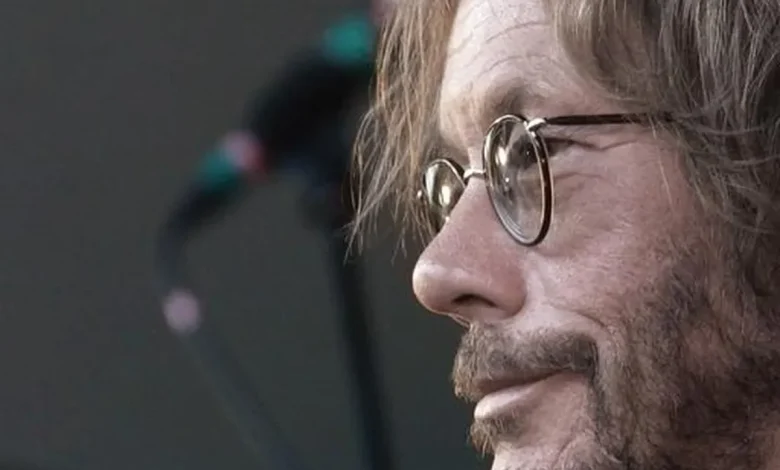
Meanwhile, another chapter of musical history is being revisited this December. The late Warren Zevon, whose wit and grit defined a generation of songwriters, is being honored with the release of his final concert recording. Epilogue: Live At The Edmonton Folk Music Festival, recorded on August 9, 2002, captures Zevon’s last live performance before his death in 2003. In a poignant twist, Zevon was inducted into the Rock and Roll Hall of Fame in 2025, bringing his legacy full circle.
The newly released album, available for the first time in early December 2025, offers fans and newcomers alike a chance to experience Zevon’s artistry in its rawest form. The Edmonton Folk Music Festival crowd of 14,000 had no idea they were witnessing history that night. As the edited press release notes, “Neither Warren, nor his long-time band member, accompanist and friend Matt Cartsonis, nor the 14,000 people in attendance… knew this would be Warren’s final concert—it was just another great performance from an exceptional songwriter and artist.”
The setlist is a tour through Zevon’s nearly four decades of songwriting: classics like “Werewolves Of London,” “Poor Poor Pitiful Me,” “Lawyers, Guns And Money,” and “Play It All Night Long” sit alongside rarities such as “Dirty Life And Times,” a song he only played twice. There are tributes, too—covers of Joni Mitchell’s “A Case Of You” and the traditional “Canadee-i-o”—showcasing Zevon’s range and respect for musical peers.
Warren handled guitar, harmonica, and piano duties, while Matt Cartsonis added guitar, dulcimer, fiddle, and harmonies, lending the performance a rich, intimate feel. The album’s sound has been lovingly restored by Grammy-winning engineer Michael Graves and Jordan McLeod of Osiris Studio, with Cartsonis contributing poignant liner notes reflecting on his friendship and musical partnership with Zevon.
For fans, Epilogue: Live At The Edmonton Folk Music Festival is more than a live album—it’s a time capsule, preserving the energy and vulnerability of a legendary artist facing his final days. The press release encourages listeners to “Turn those speakers up full blast. Play it all night long.” It’s hard to argue with that advice; Zevon’s music, much like Love’s, seems destined to linger in the air, especially as the year draws to a close.
In the end, the stories of Darlene Love and Warren Zevon—one still performing, the other remembered through a newly unearthed recording—remind us that great music endures. Their voices, whether ringing out in a crowded concert hall or drifting through a department store speaker, connect us across generations and keep the spirit of the season alive.