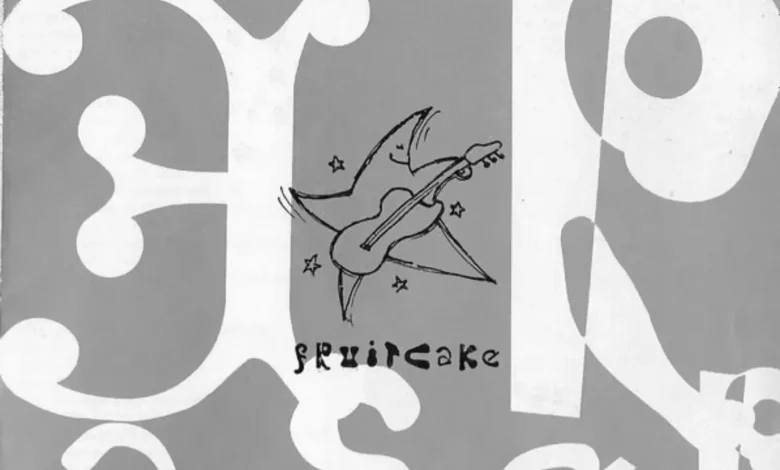
The place of Eraserheads as rock icons in Philippine music history is secure, but the way their career gets remembered often feels incomplete. Most retrospectives stop at 1995’s Cutterpillow and “Ang Huling El Bimbo,” flattening the band’s story into a neat rise-and-peak narrative. What usually gets left behind is 1996’s Fruitcake, the all-original Christmas concept album they released at the height of their popularity, and the one record that disrupted expectations the most.
Christmas albums tend to carry a stigma. They are often treated as commercial detours, built on recycled carols of the same songs in malls, markets, and any other public spaces. Fruitcake arrived with that suspicion attached, especially since it followed Cutterpillow, an album that dominated radio and reshaped OPM in the mid-’90s. On paper, the decision looked baffling: an English-language Christmas concept record with a loose storyline, released less than a year after their biggest hit era.
Rather than leaning on familiar holiday tropes, the album unfolds like a collection of character studies set in the strange fantastical world of Fruitcake Heights. Photo from Eraserheads IMDB
In practice, Fruitcake turned out to be one of the band’s most ambitious works. Rather than leaning on familiar holiday tropes, the album unfolds like a collection of character studies set in the strange fantastical world of Fruitcake Heights. Songs like “Fruitcake,” “Gatekeeper,” and “Trip to Jerusalem” move between satire, melancholy, and playful absurdity, while tracks like “Styrosnow” and “Christmas Morning” were able to reframe what a holiday record can sound like in a tropical country.
Musically, the album let the Eraserheads stretch out. Heavy metal riffs, children’s songs, gothic detours, and piano instrumentals sit comfortably beside classic rock songwriting. The quartet chose to step away from being defined by sing-along bonfire anthems. Moreover, their knack for experimentation have led Eraserheads to explore deeper themes of Christmas culture. That shift confused many listeners at the time, but it also marked the beginning of the group’s more experimental phase with the following studio albums Sticker Happy in 1997, Natin 99 in 1999, and Carbonstereoxide in 2001.
Fruitcake turns 30 in 2026, and it is a testimonial to how holiday music does not need to be disposable. The album rewards close listening, working as a seasonal companion that feels oddly timeless. For casual and diehard fans alike revisiting the Eraserheads during the holidays, Fruitcake offers a glimpse into how a band is willing to risk misunderstanding for experimentation, and that risk is exactly why it still matters today.