Here are the places in SC you’re most likely to catch the vomiting disease spreading in the state

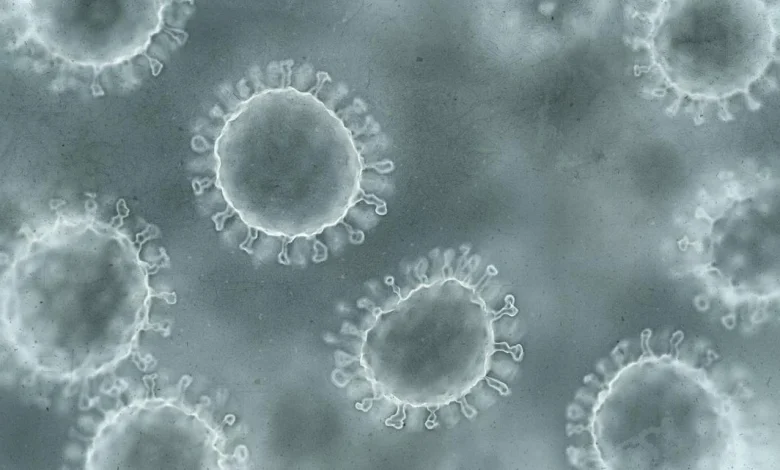
Norovirus — often called the “winter vomiting disease” — is spreading in South Carolina.
According to the latest monthly outbreak tracking data released Nov. 25 by the Centers for Disease Control and Prevention, 153 norovirus outbreaks were reported across 14 states between Aug. 1 and Nov. 13, including South Carolina.
With outbreaks on the rise and no specific treatment for the virus, where are the most common places people catch norovirus, and what should you do if you get sick?
Here are some common spots where the virus spreads each year and ways to stay healthy:
Top outbreak locations
Trace One, a food and beverage compliance software company, warns that since norovirus is highly transmissible and resilient, it makes it “particularly difficult to contain once it begins to spread.”
Since this virus spreads easily and can be transmitted through close contact with someone who’s infected, indoor spaces with shared surfaces and proximity to others are considered hotbeds.
The CDC says these locations are common for outbreaks to start:
- Healthcare facilities: Over half of U.S. outbreaks occur in hospitals, long-term care facilities and nursing homes, where vulnerable patients and staff can spread it rapidly through contact.
- Schools and daycares: Kids in proximity fuel person-to-person transmission.
- Cruise ships: Confined spaces and buffets make them notorious.
- Restaurants and food service: Foods such as oysters harvested from contaminated water or fruits and vegetables sprayed with contaminated water can carry the virus.
CDC outbreak tracking data from 2014 to 2023 shows South Carolina ranked 13th nationally for norovirus outbreaks, which occurred most often in long-term care facilities.
Anyone at any age can contract the virus, but the CDC states that children younger than 5 years old, older adults and people with weakened immune systems are more likely to develop severe infections.
Cold weather, close proximity and shared service help contagion spread. Trace One
When does norovirus spike?
Norovirus is active year-round, but outbreaks tend to spike in colder months, usually between November and April, the CDC says.
Cases begin to rise as the temperature drops, with January, February and March often accounting for the highest number of outbreaks, since colder weather often brings more people indoors, where the virus can easily spread.
How to avoid spreading norovirus
Symptoms of norovirus usually develop 12 to 48 hours after exposure. People are most contagious while they have symptoms and for a couple of days afterward.
To prevent the spread, the South Carolina Department of Public Health and the CDC recommend these steps:
- Wash hands well and often
- Cook shellfish completely and wash fruits and vegetables
- Clean and disinfect contaminated surfaces, such as doorknobs and faucets
- Wash laundry, sheets and linens thoroughly
When sick, norovirus typically lasts one to three days, but during that period, infected individuals can experience severe illness and frequent vomiting.
If you do get sick with norovirus, the SCDPH recommends:
- Staying home
- Isolate while experiencing symptoms & for at least 48 hours after symptoms cease
- Washing hands thoroughly and frequently with soap and warm water
- Resting
- Staying hydrated
- Avoiding preparing food while sick
- Waiting three days after symptoms resolve before handling food
- Disinfecting contaminated surfaces with a bleach solution
To learn more about norovirus, visit the CDC’s norovirus webpage.
The Centers for Disease Control recommends washing your hands as a preventative measure against viruses. CDC
Anna Claire Miller
The Island Packet
Anna Claire Miller is the service journalism reporter for The Island Packet and Beaufort Gazette. Originally from Georgia, she has experience in magazine writing, nonprofit communications and political reporting. Anna Claire holds a bachelor’s degree in journalism, legal studies and English from High Point University.