Photo by Raid Necati Aslm/Anadolu via Getty Images
For Wes Streeting, reaching a deal with resident doctors in 2024 was a badge of pride. “I managed to do within three weeks what they [the Conservatives] had failed to do over more than a year,” he told me then. “And now they’ve got the audacity to sit there complaining about the price of the deal at the same time as refusing to apologise for the cost of their failure.”
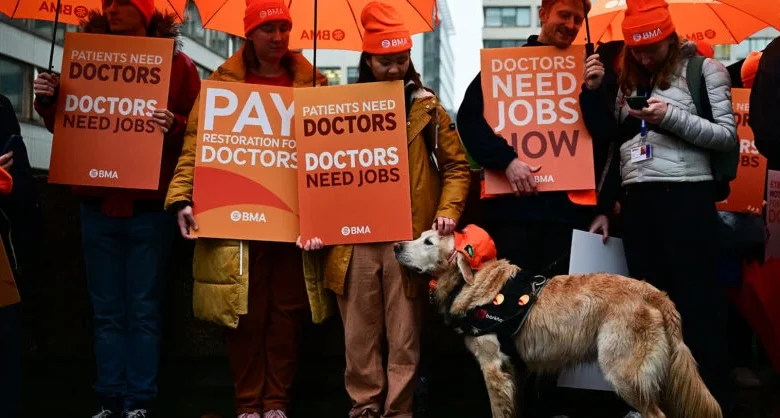
But the risk was always that this resolution was only temporary – and so it has proved. For the 13th time since 2016, doctors have voted to strike over pay and conditions, with 83 per cent backing a five-day action on a turnout of 65 per cent.
It’s easy to be bamboozled by figures in this debate so here are the key ones: since 2023 resident doctors have received a cumulative pay rise of 28.9 per cent (5.4 per cent this year) meaning that their basic pay before overtime now ranges from £38,831 to £73,992. The source of dispute is that this remains 20 per cent lower in real terms than in 2008 if you use the British Medical Association’s preferred measure of inflation (RPI) or 5 per cent if you use the government’s (CPI), with living standards squeezed by student loan repayments. Hence doctors’ flagship demand for “pay restoration” through a further 26 per cent rise.
Treat yourself or a friend this Christmas to a New Statesman subscription for just £2
Close
Streeting offered a deal that included 4,000 extra specialist training posts – with priority given to UK medical graduates over foreign workers – and reimbursement for costs such as exam fees but maintained that higher pay was unaffordable. With the pugnacity that some Labour MPs admire, he told Newsnight that the strike vote was “probably the worst thing the BMA have done since they marched against the foundation of the NHS in 1948… It’s unconscionable, given the patient safety risk”.
Keir Starmer, meanwhile, warned yesterday during his Liaison Committee appearance that doctors have “lost the sympathy of the public, frankly”. The Prime Minister isn’t wrong about that: a YouGov poll shows that 58 per cent oppose further strike action with just 33 per cent in favour. But there’s a problem for the government: doctors, unlike, say, the Labour Party, need not concern themselves with voters. Rather than seeking sympathy they can simply wield leverage.
That’s one reason Streeting has issued a far broader warning. “They threaten not just the recovery of the NHS under this government, they threaten the future of the NHS, full stop. And I think that is a morally reprehensible position to be in,” he recently declared. That’s a message echoed today by a Streeting ally who remarks that “if the strikes continue then the only winner is Nigel Farage” – the Reform leader has continually flirted with an insurance-based model – and recalls Kemi Badenoch’s support for a debate over free healthcare.
Warnings of existential threats to the NHS are familiar from Labour – Tories like to riposte by pointing out how many decades the service has survived under Conservative governments. But there’s reason to believe this time could be different: the UK, where the tax take is set to reach unprecedented heights, is heading for a much more profound debate over the size and remit of the state. At some point the NHS – which will account for 49 per cent of day-to-day spending by 2028-29 – will likely become part of that.
Every consensus looks permanent until it suddenly isn’t. As Margaret Thatcher ascended, Labour consoled itself that she surely couldn’t break with the postwar model – she did. Streeting regards himself as the last chance for an NHS that is costing more but satisfying far too few – and he could well be right.
This piece first appeared in the Morning Call newsletter; receive it every morning by subscribing on Substack here
[Further reading: Andy Burnham may be blocked from parliament by gender balance concerns]
Content from our partners