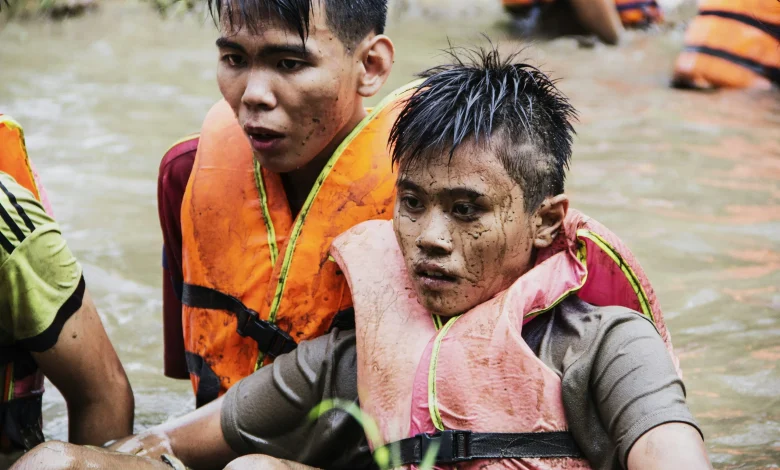
In recent years, the world has seen many large emergencies. Health issues, like the COVID-19 pandemic, caused some. Others were natural disasters, such as floods, wildfires, and earthquakes. These events showed us how unprepared some places were. But they also taught us important lessons. These lessons can help us respond better in the future.
The Value of Strong Communication
One lesson from recent global emergency responses is that communication must be fast and transparent. During the early days of COVID-19, many people did not know what to believe. Some governments shared updates late. Others gave confusing advice. This made the crisis worse.
In contrast, countries that provided clear, timely updates saw better results. When people understand what to do, they can take action. It is essential to use all tools available—TV, radio, social media, and community leaders. Messages must be simple and easy to follow. In an emergency, people do not have time to figure out complex instructions.
Working Together Makes a Big Difference
Another lesson is the power of teamwork. No single group can handle a significant emergency alone. Governments, health workers, schools, businesses, and even neighbors must work together.
For example, during floods in South Asia, many local groups helped rescue people. They shared food and helped clean up after the waters went down. In wildfires in North America, fire crews from different states joined forces. They also got help from other countries. This showed how teamwork across regions saves lives.
Good teamwork needs planning. Roles must be clear before an emergency happens. Everyone should know what to do and who to call.
Fast Action Saves Lives
Time matters in every emergency. Delays can cost lives. One of the key lessons learned from recent global emergency responses is the need to act fast.
In some earthquakes, rescue teams arrived late because roads were blocked. In other cases, they had no plan to reach remote areas. These problems show the need for better emergency routes and faster systems.
Quick action is also essential for health emergencies. During COVID-19, countries that acted quickly to close borders and provide health guidance were able to slow the spread. Vaccines were made in record time. Speed made a big difference.
Planning Ahead is Key
Many places learned they lacked firm emergency plans. Hospitals did not have enough beds. Shelters were not ready. Supplies like masks and clean water ran out. These issues made bad situations worse.
A good emergency plan includes training. People need to know what to do in a fire, flood, or health crisis. Supplies must be stored in advance. Hospitals, schools, and homes should have basic emergency kits.
Planning should not happen only after a disaster. It must be part of daily life. Practice drills and local meetings help everyone feel ready.
Helping the Most at Risk
Emergencies hurt some people more than others. Poor communities, older people, and people with disabilities often suffer the most. One major lesson is that emergency plans must protect these groups.
During hurricanes, many people without cars could not leave their homes. Some who needed medical care had no way to get help. These situations show why it is essential to ask: who needs help the most, and how can we reach them?
Governments and groups must include these voices in their planning. They must make sure shelters are safe and easy to reach. Health services must be ready to go to people who cannot travel.
Using Technology the Right Way
Technology played a significant role in recent emergency responses. Drones helped find people trapped in buildings. Mobile apps gave real-time updates during floods. Online tools helped doctors care for patients from far away.
But technology must be used the right way. It must be easy to use and reach people in all areas. Not everyone has access to the internet. Some apps were hard to understand. This made things more complicated for some people.
Technology works best when it adds to other support systems. It should never replace human help or face-to-face care. It is a tool, not the answer.
Trust Is a Powerful Tool
Trust is one of the most important lessons learned from recent global emergency responses. When people trust their leaders, they listen. When they do not, they delay or ignore advice. This can be dangerous.
To build trust, leaders must be honest. They must speak clearly and admit when things go wrong. They must also listen to the people they serve.
Trust takes time to grow, but it can be lost in one moment. In many emergencies, leaders who stayed calm and honest helped people stay strong.
Learning From Each Other
The final lesson is the need to learn from each other. Countries that had dealt with past health crises, like SARS or Ebola, were better prepared for COVID-19. They had systems in place and people who knew what to do.
By sharing what worked and what failed, the world can respond better together. Global emergencies are not just local problems. What happens in one country can affect many others. Sharing lessons through meetings, reports, and joint training is key. Every emergency is a chance to grow and improve.
There are many lessons learned from recent global emergency responses. They show us the need for strong planning, teamwork, and fast action. We also see the value of clear communication, trust, and fair help for all. Technology helps, but it must be easy to use and support human care.
Most of all, these lessons remind us that we are stronger together. By learning from each event, we can build a safer future for everyone. Emergencies will happen again, but with the proper lessons, we can be ready.