Sign up to IndyEat’s free newsletter for weekly recipes, foodie features and cookbook releases
Get our food and drink newsletter for free
Get our food and drink newsletter for free
People with allergies should avoid Dubai-style chocolate, the food safety watchdog has cautioned, after several products failed to meet UK food standards.
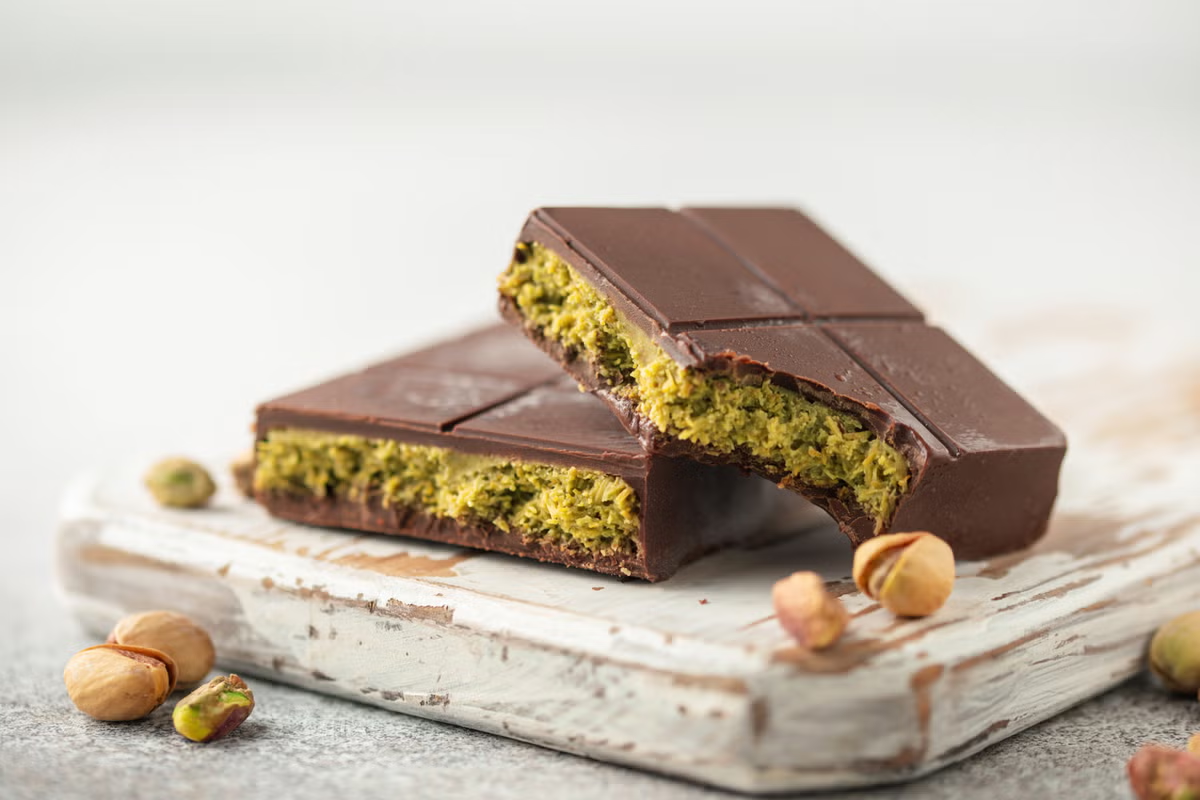
These popular chocolate bars, typically filled with pistachio, tahini, and shredded filo pastry, have become increasingly sought after over the past year.
However, the Food Standards Agency (FSA) has discovered “several” of these items in the UK that do not comply with crucial safety and labelling regulations.
Rebecca Sudworth, the FSA’s director of policy, confirmed: “we’ve found that some products contain peanut and sesame that aren’t declared on the label.”
The organisation emphasised that purchasing these bars would be “dangerous” for consumers with allergies.
The watchdog is now reviewing sampling data from products currently on sale to verify they meet food safety standards.
Dubai-style chocolate, which typically contain a filling made of pistachio, tahini and shredded filo pastry, have soared in popularity over the past year
It added that it is advising consumers with allergies to avoid the Dubai-style chocolate as a precaution until its full results are known.
Ms Sudworth added: “People with an allergy should not eat Dubai-style chocolate.
“If you’re buying a gift for someone who lives with allergies, our advice is to avoid buying these products. This includes all allergies, not just peanut and sesame.
“People without allergies can consume these products, especially where they are supplied by reputable brands and retailers.”
Jessica Merryfield, head of policy and campaigns at the Chartered Trading Standards Institute (CTSI), said: “The legal requirements on this are clear – any food containing allergens needs to be clearly identified and labelled as such to allow consumers to make informed and safe choices.
“To not do this is illegal and also highly dangerous as it makes such foods unsafe to those with food allergies.
“We urge all food businesses, including retailers and importers, to take immediate steps to comply.”