“So we’re making the tough decision today to really create that reset and make sure that we preserve these fish species for the future.
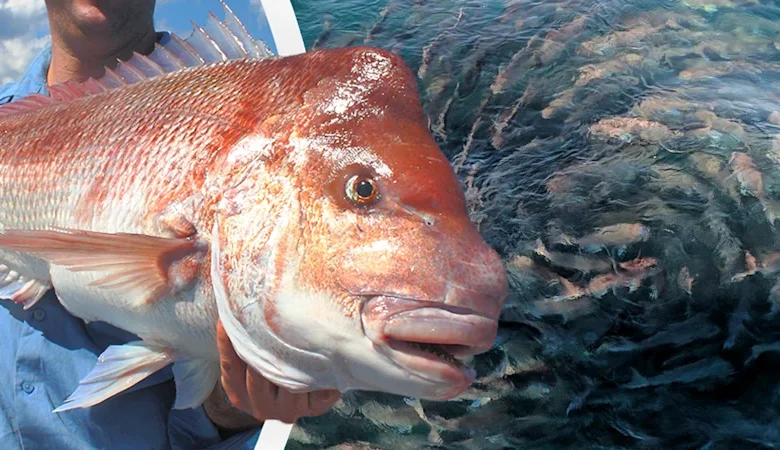
“Our iconic demersal fish species like dhufish and snapper are on the verge of extinction in some parts of WA, so we need to take urgent action to save them for the future generations of fishers.”
WA dhufish spawning biomass is 85 per cent depleted; northern snapper is 83 per cent depleted; and southern snapper is 80 per cent depleted, according to WA’s fisheries department.
New rules for other fishing regions
- A two-year recovery closure will be put in place for commercial fishing for demersal species in the Kalbarri area before transitioning to quota management within the recovering Gascoyne fishery
- Due to the success of recovery efforts in the Gascoyne region, there will be no further reforms to commercial fishing arrangements
- The Kimberley, Pilbara and South Coast regions will have a 50 per cent commercial catch reduction from 1 January 2026, and transition to new quota management arrangements
- Trawling for demersal fish by commercial operators will be permanently closed in the Pilbara, the only zone in WA where it occurs
Fisheries Minister Jackie Jarvis said the state would consider lifting bans on specific demersal species if they recovered faster than others.
She said trawling for demersals, which only occurred off the Pilbara coast, would also be banned.
“I think most West Australians would agree that this is no longer acceptable. I know all West Australians have a preference for fresh WA fish, for fresh produce, but not at any cost,” she said.
“I look forward to working with the three trawling license holders to transition them to a more sustainable line-and-trap fishing system to support the reforms.”
Jarvis defended the backflip on mandatory catch reporting, saying it was advocacy from Recfishwest and using the app herself that changed her mind.
“I’m happy to wear that, to say that I’ve changed my position on that, and it’s for these at-risk species,” she said.
Recfishwest chief executive Andrew Rowland said the ban was a shock but would ultimately mean more fish for recreational fishers.
Loading
“This is the biggest fisheries reset in WA’s history. It’s bloody tough and a shock to all of us. It is a seismic change and people will need time to absorb what it means,” he said.
“The winner right now is dhufish – and that matters. Fishers have been calling for stronger protection, and this decision delivers that.
“It’s short-term pain for long-term gain – the winners in the long run will be the fish and the fishing community.”
Opposition Leader Basil Zempilas said the government needed to do something to address the issues around demersal stocks, but claimed the move was a result of a decade of inaction by former fisheries ministers.
“The government’s announcement is going to have a really big impact on family commercial fishing businesses and their staff and what needs to be remembered many of these people, these family businesses, operate on small coastal towns,” he said.
“Those towns’ livelihood and the lifeblood of those towns is the activity that centres around those families and small businesses that go out and do their fishing, and so especially around Christmastime or leading up to this is going to be really problematic.”
Zempilas also flagged the closure of the commercial fishing sector would result in higher fish prices.
Greens WA oceans spokeswoman Sophie McNeill said the ban was a great outcome after “decades of mismanagement”.
“Dhufish were at risk of becoming extinct and disappearing in our lifetime, but these measures have the potential to help bring this species and our other important demersal fish back from the brink,” she said.
The state has flagged further temporary bans to protect spawning fish before the west coast zone reopens in September 2027.
A new advisory council including members from industry, science and the recreational fishing would be established.