December 4, 2025 — 5:00am
Save
You have reached your maximum number of saved items.
Remove items from your saved list to add more.
Save this article for later
Add articles to your saved list and come back to them anytime.
Got it
This improbably mushrooming, fast-moving and eye-catching city is a great stopover destination. But even a short visit presents a few puzzles.
The endless bling
Lamborghinis are commonplace in Dubai.Adobe Stock
Gilt and opulence everywhere, gold taps in some hotel suites, super-cars flashing past your taxi, Lamborghinis raffled in shopping malls, and more haute-couture handbags than there are people on the planet.
Dubai is surely the gaudiest, most conspicuously consumptive city you’ll ever see. Visible displays of wealth aren’t considered immodest, and although the rich aren’t quite nouveau any more the excitement hasn’t faded – in fact, it’s fuelled by social media. Isn’t anyone over it yet?
That Emirati feeling
Dubai has a huge expat population.iStock
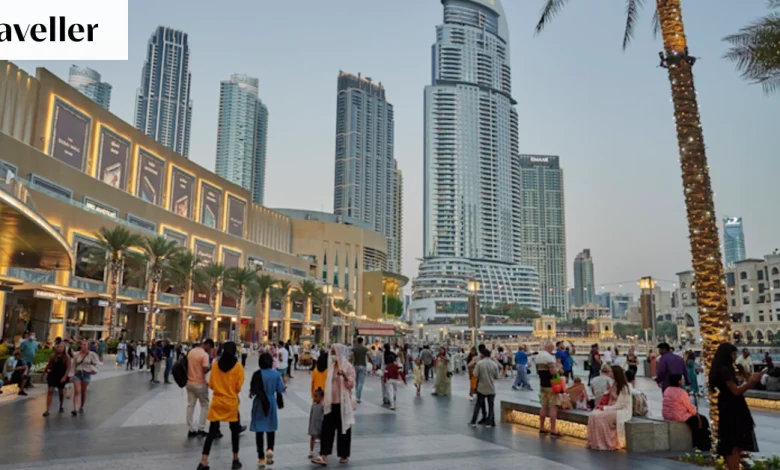
The odd thing about Dubai is that only a 10th of the population is Emirati. Chances are the only local you’ll speak to is the bearded customs official in a fetching white kandura who stamps your passport. Everybody else is from elsewhere, plus 15 million annual visitors. (Fun fact: two-thirds of the population are men.) And yet despite that and all the contemporary influences, Dubai still manages to feel distinctly Emirati. How does that happen?
The humidity … and cold
Think Dubai, think desert and dry heat, right? Nope. How Dubai can be so humid is a great mystery of geography and meteorology. In the middle of the year, Dubai can feel like a sauna, and windows run with condensation. Oh, and in winter the temperature can drop to 10 degrees at night. Irrespective, I guarantee you’ll be cold year-round, with air-conditioning running at frigid temperatures that pay no need to global-warming alarm. BYO sweater.
Why rush hour is hell
Beware rush hour in this bustling metropolis.Getty Images
Dubai is one of the world’s newest cities, so why has traffic planning – or better, public transportation planning – been so overlooked? Prepare for peak-hour congestion. Steer clear of moving around between 7-9.30am and 5-7pm, especially on major arteries Sheikh Zayed, Al Khail Road and Jumeirah Beach roads. Choose a hotel in the district where you think you’ll spend most of your time. And yes, Dubai is hot, but not a single footpath in places? Madness.
The perfume overload
Perfume and oils at a traditional bazaar.Getty Images
If, like me, you’re sensitive to perfumes, hold your breath in Dubai lifts and other confined spaces. The Emiratis smell delightful but are liberal with colognes and sprays. Perfumery and incense burning is a big deal – a sign of hospitality and heritage – but its ubiquity might be more than your nose is used to. Still, take the opportunity to discover aromas such as oud, frankincense and myrrh, and perfume brands such as Lattafa, Ramasat and Taif al Emirat.
All the health talk
Don’t ask Dubai locals how they’re doing, or how it’s going. Big mistake. You won’t only hear about their various niggles and ailments and the miraculous concoctions used to deal with them, you’ll get an update on their entire family’s health too. The alarming thing is that Emiratis are bedevilled by serious conditions such as heart disease and diabetes, yet seem obsessed only with quackery such as herbal teas and hormone balancing – whatever that is.
The continuing gold rush
Bling is never in short supply. A jewellery shop in Deira, Dubai.Getty Images
What’s with Dubai’s gold obsession? The city accounts for a fifth of the world’s annual gold trade and, in the past year, gold mania reached fever pitch, pushing prices up 30 per cent. The latest craze is monthly gold instalment plans in which buyers accumulate credit that can be redeemed for gold later. If you’re after gold jewellery, no need to look far. Heck, you can even buy gold bars from vending machines.
The relaxing silences
Here’s something we could all learn from Emiratis: the art of silence. If conversation stumbles to a halt nobody feels uncomfortable. The silence won’t hang, it just peacefully settles down like a happy cat, and everyone sits quietly until someone feels the need to speak. All a sign, say psychologists, of self-assured, calm and patient people. If only we could all be so comfortable with awkward silences, they wouldn’t be awkward.
The dinner times
From high-end dining to food truck parks, you’ll never go hungry.Getty Images
In most places you have some idea of the typical dining time, but Dubai has such a huge expat population with varied dining habits that you’re never quite sure what’s what. Emiratis – a fraction of the population – might have a quick meal after finishing work, but equally might head out to restaurants at 10pm. Good news: you can eat whenever. Bad news: popular restaurants will only let you occupy a table for two hours.
The price of petrol
We expect petrol to be cheap in places that produce it, although Dubai actually has only small oil reserves. But petrol costs less than most bottled water. In September 2025 a litre of Special 95 petrol set you back AED 2.58 ($1.07) – a fantasy to Australians. A litre of basic bottled water is slightly cheaper at AED 2, but premium brands sell for AED 10 or more. How does the economics of that make any sense?
Sign up for the Traveller Deals newsletter
Get exclusive travel deals delivered straight to your inbox. Sign up now.
Save
You have reached your maximum number of saved items.
Remove items from your saved list to add more.
Brian Johnston seemed destined to become a travel writer: he is an Irishman born in Nigeria and raised in Switzerland, who has lived in Britain and China and now calls Australia home.
Traveller Guides
From our partners