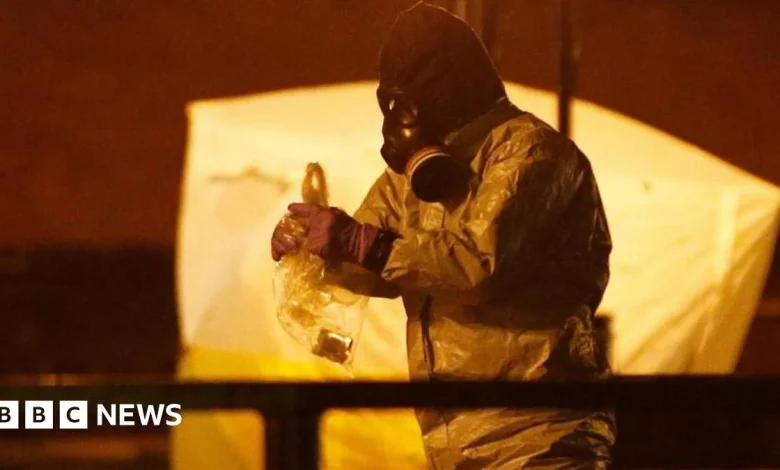
When the call came in to the duty officer at MI6 headquarters on the evening of 4 March 2018, it was met with surprise and alarm. One of their agents was lying in a hospital bed, apparently poisoned.
The realisation that Sergei Skripal had been targeted within the UK sent shockwaves through the world of British spies and raised important but difficult questions.
Some of these questions have been answered by this latest report, which found Russian President Vladimir Putin “morally responsible” for the death of Dawn Sturgess.
She unwittingly sprayed herself with the same nerve agent, concealed in a perfume bottle and discarded by the suspected Russian agents who poisoned Skripal.
So have all the lessons been learnt?
One question was whether more could have been done to protect Skripal. Skripal had been recruited to spy for MI6 back in the 1990s, but had then been caught by the Russians before being exchanged as part of a spy swap in 2010.
At the time he came to the UK the assessment of the ongoing risk to him had been relatively low. After all, he had been pardoned. This was, top spies later admitted, a mistaken assumption. As a “settled defector” he also had his own say on what kind of security he wanted and he was clear that he did not want a new identity and a new life. That might have been the only thing to prevent the attack.
The report says there may have been nothing to indicate that a dramatic attack using nerve agent might take place, but it does say there were not updated, regular assessments of the risks he faced.
By 2014, the relationship with Russia was darkening thanks to the first crisis over Ukraine. Skripal was also talking to European intelligence services, which may have raised his risk profile. And Putin, a former spy himself, who frequently talks of his hatred for traitors, was not a man to forget betrayal. Nor was the GRU – the Russian military intelligence agency of which Skripal had been a member.
The report suggests the use of Novichok nerve agent was a demonstration of power by the Russian state. But many inside the intelligence world believe what it really was intended to be was a message to others – if they betrayed Russian secrets to Western intelligence, they too would be hunted down even if it took years and even if their family was put at risk.
This lesson was quickly learnt by British intelligence and security services, who immediately after the poisoning placed greater protection around defectors and others at risk in the UK.