The jump is especially stark when compared with the rest of the country. In September, the most recent month for which national figures are available from the Federal Reserve, the average price of coffee per pound was $9.14. In Boston, it was almost twice as high, at $17.24.
“It’s tough,” said Emily Neily, a barista at Thinking Cup on Newbury Street. She said they have had to raise prices three times this year. “When we turn the screen around and it’s $8 for one drink it’s kind of insane,” she added.
Some coffee shops, like Cafe Fixe in Brookline, have raised prices only slightly because they worry about startling regulars. Barista Jill O’Callaghan said most of their customers come in every day and would notice even small shifts, especially when they are buying bulk coffee.
“We’re managing fine,” O’Callaghan said. “Coffee is imported from all over, so you can expect price changes from suppliers.”
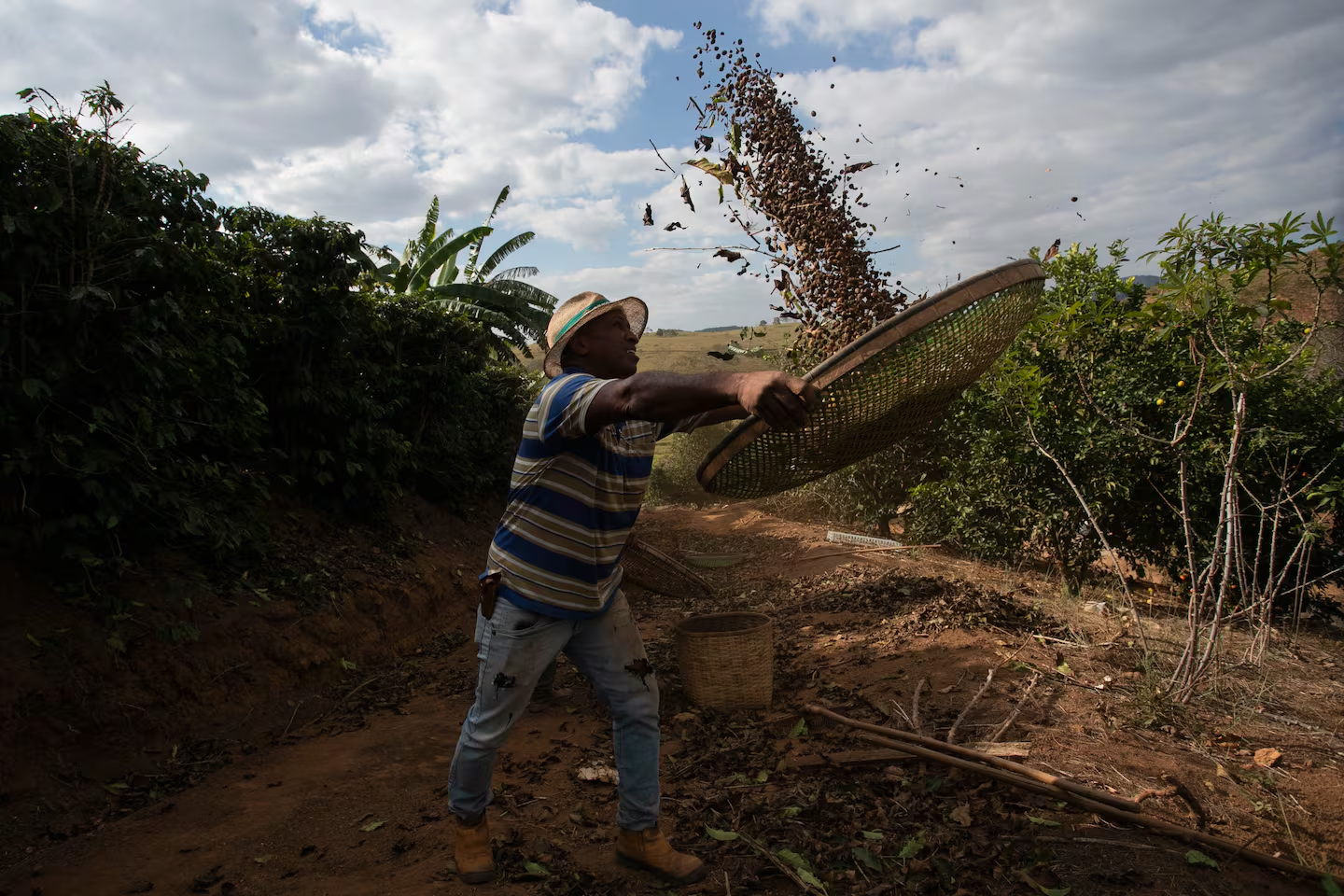
Earlier this month, President Trump signed an executive order lowering tariffs on coffee and several other imported foods, including bananas, beef, and tomatoes. Beans from Brazil, the United States’ largest supplier, had been hit with 50 percent tariffs since August.
Coffee is grown in some parts of the country, but most of the supply is imported, leaving American prices especially vulnerable to global shocks.
Brazil’s worsening drought has also squeezed production, driving up wholesale costs that roasters and cafes have struggled to absorb. Improving weather conditions could increase supply in the coming months, according to a November report from Trading Economics.
For smaller shops, the squeeze can be especially sharp.
“We’re local and we’re not super big, so when things are tight we really feel it,” Neily said.
Kirkland An contributed data analysis.
Neena Hagen can be reached at neena.hagen@globe.com.