Amid reports of two interested parties potentially merging to try and buy Sheffield Wednesday, it begs the question — why would that be necessary?
If the two groups, reportedly billionaire John McEvoy and members of the Storch family, have the financial clout typically required to buy a club of Wednesday’s size, why would they need to come together?
The answer is probably down to the sheer amount of investment needed to get the Owls to a place, on and off the pitch, where ambitious owners would want to be.
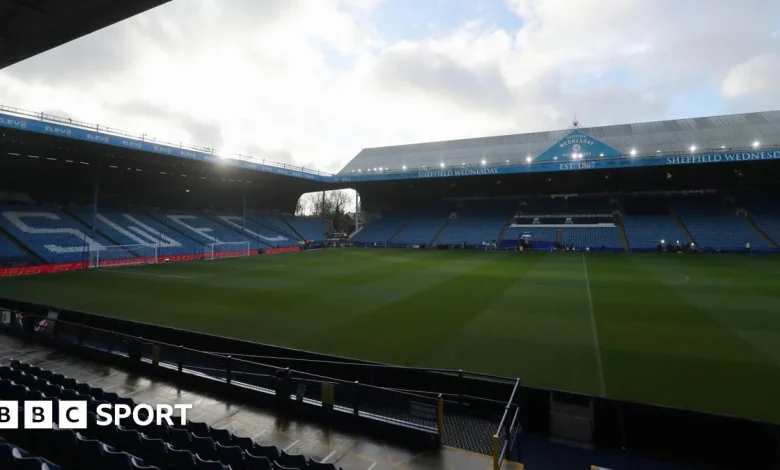
The infrastructure work required alone is substantial. A fortune will need to be spent on Hillsborough and the training ground to match the facilities enjoyed by Championship peers.
If you want a speculative figure, you could be looking at more than £100m to get it right.
Although big money is available through TV rights in the Premier League, the reality of life outside of the top-flight is you’re going to be a loss-making business.
Any prospective owner of Wednesday is not buying a club that is on the doorstep of the top-flight, that could take seasons. Therefore, they’ll be looking at a hefty loss each year. Possibly around £10m a season.
Investment in the squad would be necessary over a period of time. Then, even if you get to the Premier League, a distant dream for any buyer at the moment, you’d need to spend huge sums even with the TV money coming in.
A major financial burden is required to drive this club forwards, in a way that might not be necessary at others with better infrastructure.
Wednesday, 27 points adrift of safety, are also inevitably going to be in League One next season – with limited playing assets given what’s happened to the squad over the past six months.
Wealthy owners merging together would be a way to pool resources to tackle these challenges.
It’s worth noting that the ‘one owner who buys the club’ model isn’t as common as some might think. Birmingham City and Ipswich Town are good examples of clubs with multiple investors.
Even at the highest level, Jim Ratcliffe bought a stake in Manchester United and runs the football operations at Old Trafford, yet the Glazer family remain majority owners. And Chelsea are owned by a consortium led by a a private equity firm.
It should be noted this potential merger would result in just one interested group.
As noted in a statement by administrator Kris Wigfield on Friday, the club is still narrowing the field to one preferred bidder and discussions are ongoing.