Photo by Leon Neal/Getty Images
If Wes Streeting’s supporters in parliament were looking for an excuse to show some ankle, they were given it a few weeks ago. On the extraordinary evening in November when No 10 figures accused the Health Secretary of plotting a leadership coup, something snapped. “They made a big mistake making us choose between Keir and Wes,” one moderate Labour MP said, all pretence of supporting Starmer’s leadership gone. Now, as the Health Secretary enters parliament’s Stranger’s Bar, colleagues declare “there’s our next prime minister”, with No 10 aides barely out of earshot.
Downing Street is acting like that sorry saga never happened. Streeting himself is getting on with the day job. “He’s the only declared candidate,” is how one admirer puts it. “All he needs to do is stay there, keep building hospitals, and wait.” The sense of inevitability to a leadership contest in May – if not before – has not abated. Streeting’s supporters believe he is in pole position.
But then, at the end of November, the Times reported that Streeting’s allies were calling for a coronation rather than a contest to install him as Labour leader, probably after the May elections. Though Streeting’s spokespeople are adamant that they do not speak for the Health Secretary, the article provoked a backlash. Leading figures from the soft left – the mushy middle of the Parliamentary Labour Party – told me the idea of a Streeting coronation was “far-fetched” and “insulting”.
Some soft-left MPs privately back Streeting because they believe he represents the best chance of holding their seats. But many are determined to stop him, despite his overtures, because he hails from a fundamentally different party tradition. The soft left’s main problem, however, as one Streeting supporter gleefully noted to me, is that they haven’t settled on a rival candidate to defeat him.
Treat yourself or a friend this Christmas to a New Statesman subscription for just £2
There are many names in the mix. Andy Burnham, the “King over the Water”, faces a difficult route back to parliament – though it’s “not impossible”, say one person close to the National Executive Committee, the body that would decide whether he could be the candidate in a by-election. Louise Haigh, the former transport secretary, has emerged as a commentator – for example, she wrote an essay and a Budget response for the New Statesman – in what one supporter sees as a pitch for the chancellor position. Others suspect she has designs on the top job.
The Culture Secretary, Lisa Nandy, is another name discussed among MPs. She stood against Starmer in the 2020 leadership race. Her cabinet colleague Ed Miliband, the Net Zero Secretary, has ruled himself out but is thought to desire a major role in shaping the ideas of whoever might come next. In all of this, the Tribune group will be influential. The revived caucus for the middle of the party has more than 80 MP members – enough to nominate a candidate if they all agreed on one. Haigh and Justin Madders, an Angela Rayner ally, sit on its committee.
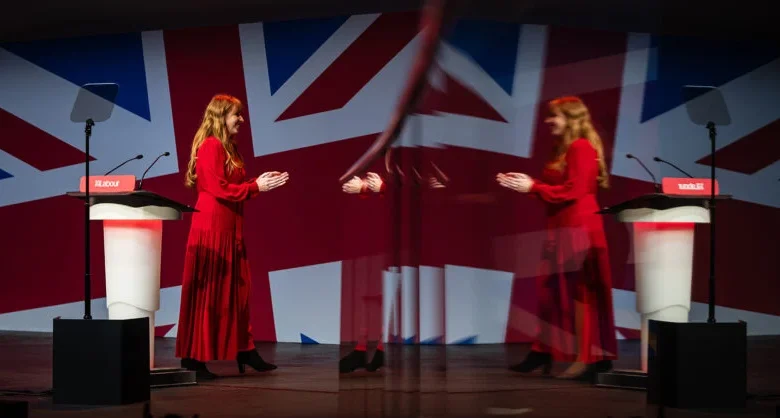
But the biggest question mark is over Rayner herself: is it her ambition to be PM? “If Angela wanted to be prime minister she already would be,” one admiring Blairite says – because she could have stood against Starmer in 2020 and won. She has a colourful life outside of politics and has been genuinely unsettled by the intrusion into her family that comes with being a senior politician, as well as by the threats to her safety. Her resignation from cabinet could have been the end of all that – if she wanted it to be.
And yet, and yet. When the call came from I’m a Celebrity… Get Me Out of Here to go into the jungle after she resigned, Rayner said no. She isn’t finished with politics.
Rayner looked on with anger when Rachel Reeves was defended by the government over her rental licence error, in a way her stamp duty affairs weren’t. She has been hurt by what she sees as the double standards. The former deputy PM has also been keeping a close eye on Streeting’s manoeuvrings. “I don’t think she wants to stand, but she would stand to stop Wes,” one friend tells me.
Rayner needs time to rebuild after her resignation. It is no coincidence that her strongest parliamentary allies make the calm, sober case for taking their time choosing a replacement prime minister, while many of Streeting’s MP supporters say there’s none to waste. If or when there’s a leadership contest, Rayner will have much to gain politically but much to lose personally.
But developments on Rayner’s beloved workers’ rights package have brought her name up again sooner than she might have been expecting. There were questions about whether a compromise in the Employment Rights Bill (protection from unfair dismissal “from day one” has now become protection after six months) would prompt MPs to rebel. Rayner was angry, and met with allies on 1 December to plan a response. She intends to lay an amendment forcing the government to implement the unfair dismissal protections in 2026, instead of 2027. Her worry is that the government will try to dilute the legislation further. She is determined to prevent that from happening.
Rayner is back and reminding MPs of her power. She is fighting for a policy programme that means a lot to her, and in the process, demonstrating the following she still maintains. How that plays out with her former colleagues in government is one question. But the more important one is whether what happens in the next couple of weeks is merely a rehearsal for more serious organising to come.
[Further reading: Inside the battle to lead Your Party]
Content from our partners
This article appears in the 04 Dec 2025 issue of the New Statesman, Books of the Year