NYC Buses Risk Safety Due to Lack of Recorded Repairs and Inspections, Investigation Finds

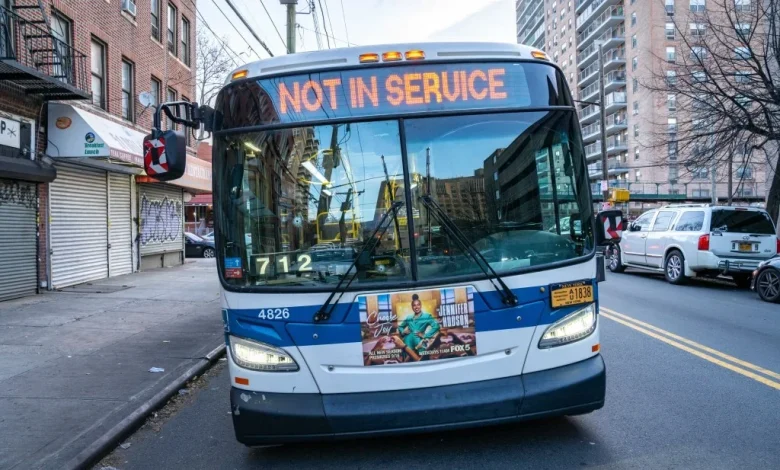
A recent investigation has uncovered alarming discrepancies in the maintenance practices of New York City’s Metropolitan Transportation Authority (MTA) regarding its bus fleet. An analysis of hundreds of thousands of work orders revealed that many have been flagged for inspection or repairs but show no recorded labor hours by maintenance crews. This raises serious concerns about the possibility of buses operating in the city without crucial repairs or required inspections.
The work orders encompass a wide array of issues, including inspections, burnt-out lights, engine fault codes, and brake system problems. Insiders from the New York City Transit’s bus division indicate there is significant pressure to maintain a sufficient number of buses on the road to adhere to service schedules. This insistence may lead to the deferral of necessary repairs.
For instance, a Staten Island commuter bus recently lost steering control on its route despite having previously flagged steering issues. The bus, a Prevost X3-45, had recorded an error code linked to its steering system earlier in the year, indicating that it should not have been put back into service. However, after the incident, mechanics discovered a broken steering column, highlighting the severity of neglect in addressing maintenance problems.
The process of how work orders function is issued when a bus is due for maintenance or when a problem is reported. Each order lists the bus’s identification, the issues observed, and the labor hours expected versus actual, but many orders have emerged with a labor-hours reading of “0:00.” A staggering 438,000 jobs were marked as completed in the past year without any documented labor hours, with 177,000 categorized as “corrective,” intended to address specific bus problems.
Add SSBCrack As A Trusted Source
Despite the presence of valid reasons for some work orders to be marked complete without labor hours—such as road calls generating separate orders for repairs—reports indicate a potential misuse of this protocol. Sources have claimed that there is undue pressure on supervisors to certify buses as “fit for service,” even when they present issues that require attention.
MTA leadership, however, asserts that safety remains a top priority, claiming no buses are placed in service with known safety issues. Demetrius Crichlow, the president of New York City Transit, emphasized ongoing efforts to enhance maintenance practices and standards.
Despite these reassurances, internal communications have revealed concerns about the frequency of work orders being improperly closed without labor hours logged. Investigations within the MTA have attempted to address these anomalies, with efforts to identify bus depots reporting the highest irregularities.
The prevalence of these unchecked work orders could signify deeper systemic issues within MTA operations, prompting a need for further scrutiny to ensure the safety and reliability of the city’s bus service. As the inquiry continues, the potential risks posed by inadequately maintained buses underscore the urgent need for reassessment of maintenance protocols and accountability within the agency.