The instant reaction to seeing any teammate go down – and especially your starting quarterback – is disappointment. You’re upset and you’re hurt for your teammate, but you still understand that you have to go back out there and play.
You have to keep doing your job.
In those instances, you become more aware of your own responsibilities as well.
You have to stay precise on what you do because the backup quarterback is coming in, and you have to be ready and able to help him and support him in the best way possible so he can function well and execute the offense.
With a backup quarterback out there, you want to make it as easy as possible for him and you want to be exact in regard to what’s been coached for him specifically. You need to be in the right spot at the right time and just be on the same page as the quarterback.
You have to be on your assignments, on your alignments and execution of the plays because you don’t want him to have to think about anything other than his own assignment. You want to take as much off his plate as possible.
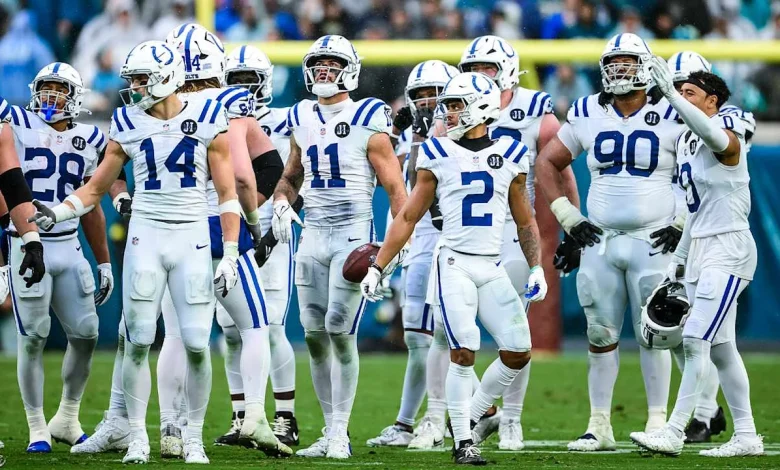
We saw that when the Colts supported Riley Leonard on Sunday when he came in after Daniel Jones sustained his season-ending Achilles injury. And we’ll continue to see that kind of effort over the next four weeks, as Leonard or whoever else comes in at quarterback (Leonard is now dealing with a right knee injury, Shane Steichen said on Monday) prepares to play.
Simply put, you have to adjust what you do to what the quarterback does. He’s going to have a lot on his plate; you’re going to try to make it easier for him however you can. It’s going to take extra practice time and extra meeting time to figure out what he likes, and how he operates. The plays that you run with one quarterback might be slightly different than the plays you run with another quarterback, because every quarterback has certain plays he excels at and certain plays he likes more than others.
You have to spend extra time with him to make sure you’re on the same page, and making those adjustments and processing them isn’t that hard. The difficulty comes in doing it quickly, like the Colts will have to do this week before their next game against the Seattle Seahawks.
It’s being able to execute the plays and get the timing down with only a week to prepare – and only a few practices in that week – that’s difficult.
And I understand that some of the fans’ thoughts around the Colts’ quarterback situation and the outlook for the next four weeks is that this team is probably not going to make the playoffs, based off Jones’ injury and the way the team has played over the last few weeks.
As a player, though, you can’t feel that way. As a player, you have to understand that you still have an opportunity to go out there and play your best every single week, and at the end of the day you hope you’re on the winning side. You still have to go out there and support your teammates, play for your teammates and give it your all, because there is still a chance to reach your goals that you set at the beginning of the season.
There are still four games left in the season. Of course, the Colts need to concentrate on one game at a time, but they understand they still have a responsibility to do their best.
They understand that they owe it to the organization, their teammates and themselves to continue to go out there and play their best and take advantage of the opportunity they still have.