Should parents outside Australia adopt the country’s social media ban? Our kids may thank us later

Kara Alaimo is a professor of communication at Fairleigh Dickinson University and teaches parents, students and teachers how to manage screentime. Her book “Over the Influence: Why Social Media Is Toxic for Women and Girls — And How We Can Take It Back” was published in 2024.
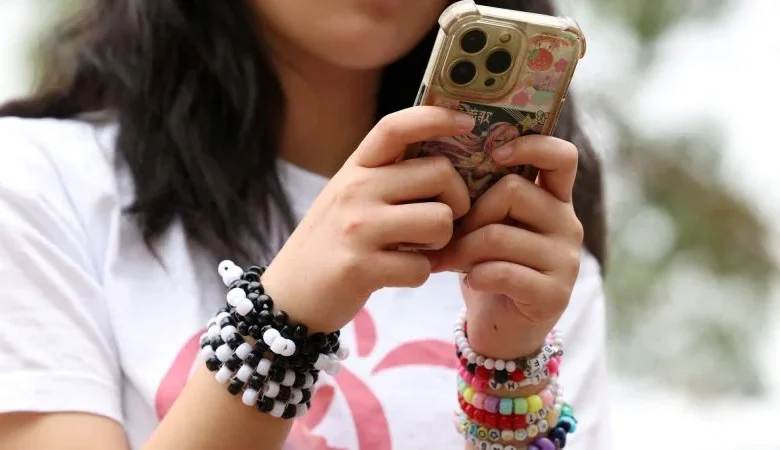
On Wednesday, December 10, Australian kids are waking up to a world that was once inconceivable: They don’t have social media anymore. The country is the first to prohibit social apps for children under age 16. The ban on 10 platforms includes TikTok, Instagram, YouTube, Snapchat, Facebook, X and Reddit.
If parents outside of Australia adopt the same rules, our kids will thank us later.
That’s because social media appears to be making our kids less healthy and happy. I recently joined leading researchers around the globe in writing a consensus statement about what we know social media and smartphones are doing to kids. We overwhelmingly agreed that the literature shows that, over the past 20 years as they became ubiquitous, adolescent mental health declined.
What’s more, phones and social media apps can interfere with kids’ sleep and are correlated with addiction and attention problems. For girls, they may be tied to perfectionism, body dissatisfaction and the risk of predators and sexual harassment.
Knowing this, why would parents even consider letting our children use social media? I have several reasons you should parent like the Aussies do online.
A lot of parents think kids want to spend all their time on social media, and that’s why it’s so hard to take away.
But here’s the truth: Many teenagers recognize that social media is unhealthy. The reason they can’t decide not to use these apps for themselves is because they’re afraid of missing out on social opportunities, since so many young people maintain their friendships on these platforms. If parents all made the same decision not to let our kids use social media, we’d solve the problem for them. Even if only some parents restrict their kids’ use, it will be enough to force teens to find other ways of communicating.
When I talk to parents and teachers about this, I like to start by telling them about a 2023 study in which college students were asked how much money researchers would have to pay them to deactivate social media accounts for a month. My audience typically guesses that the students demanded tens of thousands of dollars.
Actually, the average amount they wanted was $50, and the median, $30, was even lower.
‘The older the better’: Child psychiatrist weighs in on new Australia law banning social media access for children under 16
‘The older the better’: Child psychiatrist weighs in on new Australia law banning social media access for children under 16
3:44
Then the researchers asked the students how much they’d have to pay them to deactivate their accounts if their peers did the same thing. No audience member of mine has ever correctly guessed the result: The students were willing to pay the researchers to make this happen.
In situations like this, our job as parents is to step in and help our kids. If parents all told our kids they’re not allowed to use social media until they’re 16 years old, none of them would face the dilemma of lost social opportunities in the first place.
Even if only a few of their friends don’t have social media, they won’t be pariahs. So talk to the parents of your kids’ friends and get them to do the same thing.
Instead of seeing pictures of the parties to which they weren’t invited on Instagram, they could text with their friends on flip phones to make plans — or call and chat. Chat groups with people kids know are a good alternative to conversations on social apps. Instead of following the filtered versions of one another’s lives, they could get together in person and talk about how they’re really doing.
Eliminating social media wouldn’t just improve our kids’ relationships. It could help them stay present in the moment, so they get comfortable with their feelings and notice their surroundings instead of turning to a screen every time they have an uncomfortable thought or spare second. It could give them more time to do physical activities, potentially reducing their risk of obesity. And it could help them get better sleep. All of this is likely to improve their physical and mental health.
That’s not to say your kids are likely to be thrilled when you announce this decision. If parents prohibit social media use without the benefit of an Australian-style government mandate, it’s certainly likely to lead to short term complaints. Your kids will probably worry about the social repercussions. Dealing with such concerns is, unfortunately, part of our job as parents.
When our kids were toddlers, many of us took them to get life-saving vaccines even though they cried afterward. We also didn’t let them eat ice cream and cookies for dinner even when they really, really wanted them.
Our responsibility here is no different. Even if it makes our kids unhappy in the short term, Australian-style policies will likely make our kids much happier and healthier over the long term — and their protests are likely to end far sooner than you might think.
Get inspired by a weekly roundup on living well, made simple. Sign up for CNN’s Life, But Better newsletter for information and tools designed to improve your well-being.