December 10, 2025 — 9:00pm
Save
You have reached your maximum number of saved items.
Remove items from your saved list to add more.
Save this article for later
Add articles to your saved list and come back to them anytime.
Got it
Households across swaths of eastern Australia must soon pay upfront charges of more than $2000 to get connected to the gas network after regulators signed off on rules banning gas companies from spreading connection costs across their shrinking customer bases.
From October next year, homes and businesses that wish to connect to the mains gas distribution networks in NSW, ACT, South Australia and south-east Queensland will have to immediately pay for the service, which was previously carried out at no upfront cost. People in Victoria already face a fee of about $2000 to connect to the gas network.
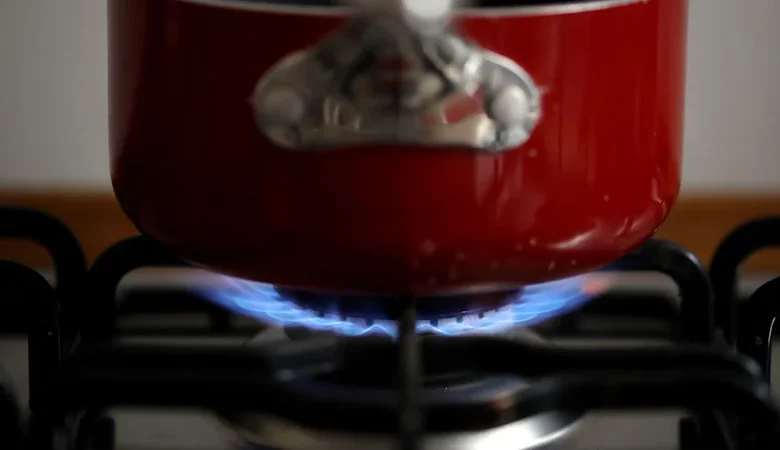
Consumers are increasingly switching away from gas stoves and heaters to electric alternatives, aided by government schemes and policies banning gas hook-ups in new homes.Alessia Pierdomenico
Natural gas – a fossil fuel that releases climate-warming emissions when burnt – remains widely used in residential cooking, heating and hot water systems, but households are increasingly switching to electric alternatives, slashing the rate of new connections to the network each year. Residential gas use is now on track to fall 30 per cent over the next 10 years, aided by state and federal government schemes to reduce emissions and restrain rising energy bills.
Under the old rules, fees for new gas connections were effectively borne by all homes and businesses on the gas network because they were added to gas distributors’ capital bases and recouped over time.
Related Article
However, the Australian Energy Market Commission insists a new approach is necessary to protect remaining gas users from facing a rising share of the costs as the overall gas customer base continued to shrink. This would be especially important for renters and low-income households who were less able to make the switch from gas appliances to electric ones, it said.
“The existing approach was designed for growing networks, but it’s no longer fit for purpose in a context where the outlook for gas demand is uncertain and is projected to decline,” commission chair Anna Collyer said.
“Our final rule ensures those who benefit from new connections pay for them, while protecting existing customers from increased network costs.”
In Victoria, where the state government has already begun requiring upfront gas connection fees and banned gas connections in new dwellings, the cost of a standard new hook-up is about $2000. Authorities calculate a standard connection fee could be $2100 on average in NSW.
Energy Consumers Australia, a residential and small-business advocacy group that proposed the new rule change, said the move would help limit rising bills for existing gas customers and facilitate a “more orderly” transition off gas.
Related Article
Homes and businesses that went all-electric would benefit from lower running costs and healthier environments, Energy Consumers Australia chief executive Brendan French said. But because gas distributors’ costs for operating and maintaining their networks would be shared by an increasingly small pool of customers, those facing the greatest barriers to electrification were “likely to be the hardest hit”, he said.
“Ensuring fair outcomes for all consumers within the future declining gas network is vital,” French said.
“All households and small businesses should pay a fair and affordable price for gas as long as they use it.”
The Australian Energy Market Commission has reported a recent decline in the number of new gas connections. In NSW, new connections had fallen from 50,000 a year in 2020 to about 40,000 a year. In South Australia, there were now fewer than 10,000 a year, down from 23,000.
Residential and business gas demand was expected to fall 30 per cent in the next decade and 70 per cent within 20 years, the commission said.
The Market Recap newsletter is a wrap of the day’s trading. Get it each weekday afternoon.
Save
You have reached your maximum number of saved items.
Remove items from your saved list to add more.
Mike Foley is the climate and energy correspondent for The Age and The Sydney Morning Herald.Connect via email.
Most Viewed in Business
From our partners