The Justice Department can keep trying to reindict Letitia James, but is it worth the risks?

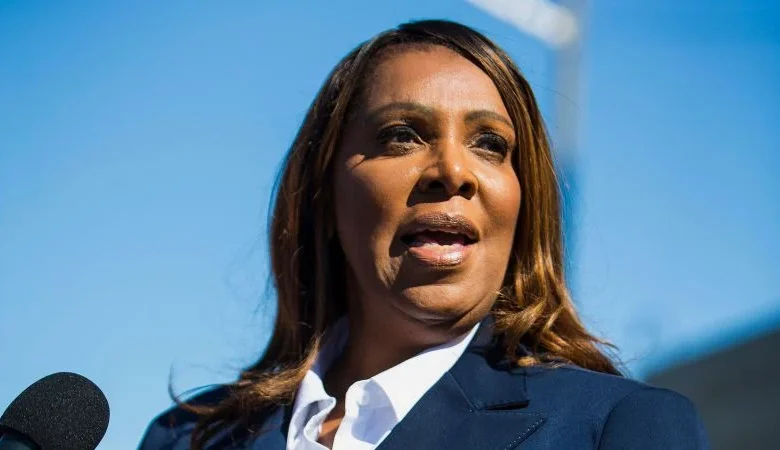
The Justice Department’s mortgage fraud investigation into New York Attorney General Letitia James is on life support after a grand jury, for the second time, rejected an indictment that would have revived charges against her.
Lindsey Halligan, appointed by President Donald Trump to run the office, now faces the decision on whether to try again next week or pull the plug and risk the wrath of the president who wants James indicted.
The rejection is an embarrassing setback for the Justice department — which had sought to revive the criminal case after a federal judge ruled Halligan was appointed unlawfully — and for the administration, who had positioned James’ case as a centerpiece in its retribution campaign.
But this latest setback may not necessarily be the end of the story. Prosecutors could go back to a grand jury again and continue their efforts to re-indict James over the same allegations in the hopes that one will approve charges.
Continuing to pursue indictments is “exceedingly rare” in federal cases, according to former federal prosecutor Aaron Zelinsky. The Trump Justice Department, however, has shown a proclivity to try the strategy in some other immigration-related cases earlier this year.
“One no true bill is a point. Two points make a line. That line points to an acquittal at trial,” Zelinsky said. “The Government should hang it up at strike two rather than go down swinging.”
The Justice Department declined to comment on the grand jury’s declination.
In the original indictment, prosecutors said James had claimed on mortgage paperwork that a home she purchased in Norfolk, Virginia, would be her second residence, allowing her to get a favorable mortgage rate. Prosecutors said that James didn’t use the house and rented it instead.
James had pleaded not guilty to one count of making false statements to a financial institution and one count of bank fraud before the case was dismissed.
In a statement to CNN, James’ attorney Abbe Lowell said this “unprecedented rejection makes even clearer that this case should never have seen the light of day.”
Legal experts told CNN that such repeated efforts to revive the case could raise policy and constitutional concerns.
“The prosecutor, as a matter of policy, shouldn’t be presenting charges before a grand jury unless they have a reasonable belief that they could win before a jury,” said retired federal Judge Nancy Gertner. “Losing before the grand jury once is one of the best indications that there’s no there there — that they don’t have a case.”
But such repeated attempts — if eventually successful — may help fuel James’ allegation that she’s being unfairly targeted for prosecution.
“The evidence of vindictiveness is to go back and back before the grand jury, notwithstanding their inability to secure an indictment,” Gertner said. “That’s one classic measure of vindictiveness — meaning that you’re doing this not because you actually have a case, but you simply want to get her.”