Loading
Changes to the discounting scheme, effective May 1, 2026, have also been announced.
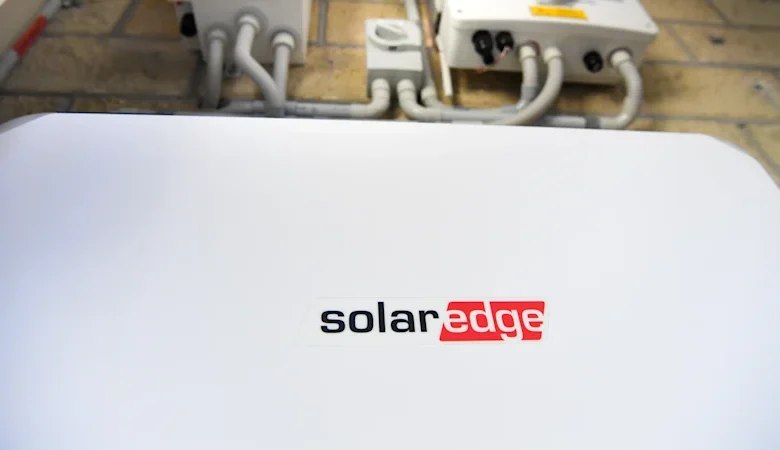
Under the old scheme the same rebate was applied across storage capacity. This meant some larger battery systems sold for less than smaller models.
The changes are designed to ensure a 30 per cent rebate is applied more evenly across the small, medium and large-sized home battery categories, with support reducing in proportion with the size of the battery.
For example, under the current scheme a customer would pay $8305 for a 13.5 kilowatt-hour Tesla battery, after a discount to the sticker price of $12950. Under the new regime from May, the customer would pay $9553.
A relative large 42 kilowatt-hour system by FOXESS would cost $6999, after a discount to the sticker price of $21,392. Under the changes it would cost $15,230. The government said it is confident that many models will continue to come down in price, as its incentives drive sales and increased competition in the retail market.
Loading
The scheme is limited to homes with solar panels, but householders are still eligible if they install panels and a battery at the same time.
According to the government, a household that installs a 10 kilowatt-hour rooftop solar system can typically save around $1000 annually on their electricity costs. If they install a 15 kilowatt-hour battery as well, they can save an additional $600 annually.
A kilowatt refers to the rate at which something can charge or discharge energy, whereas a kilowatt-hour (kWh) measures the amount of energy it can store. For example, a one-kilowatt-hour battery can pump out a kilowatt of energy in 60 minutes.
The Smart Energy Council, which represents home battery sellers and installers, welcomed the changes to the rebate scheme.
“Giving Australia’s four million solar homes the ability to time shift the use of their power generation is a consumer energy revolution,” Smart Energy Council Chief Executive John Grimes said.
The government said it is confident that many models will continue to come down in price, as its incentives drive sales and increased competition in the retail market.
Experts have told this masthead that an average household of four residents, with two adults and two children, should consider installing a 10 kWh to 15 kWh battery, given they had at least an average-sized rooftop solar panel installation.
The popular fringe benefit tax exemption on electric vehicles applies to cars priced under $91,387. The government has said it has forgone $1.35 billion in tax this financial year.