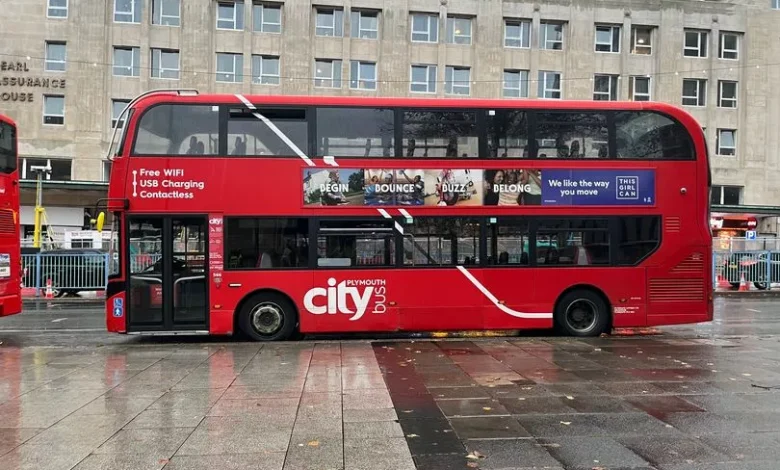
Plymouth’s new electric buses are getting rave reviews but the city needs more buses and they need to be cheaper for customers, according to the managing director of leading bus firm Citybus.
Speaking at a meeting of Plymouth City Council ’s Natural Infrastructure and Growth Scrutiny Panel on Wednesday, Richard Stevens, of Citybus, said Plymouth had a long way to go in sustainable transport but the 50 greener buses were “a massive step forward”.
Plymouth was the first city to roll out the first of its 50 zero emission buses in May after it was awarded £10.3 million from the government’s ZEBRA 2 fund.
Plymouth Citybus ploughed £20 million into the project and nearly £2 million each came from Plymouth City Council and also Cornwall Council as the buses operate on the Rame Peninsula as well as on the 21/A, 42, and 50/51 routes in the city.
Plymouth City Council financially supports Plymouth Citybus and other bus services to operate routes that would otherwise be considered unviable commercially.
Two years ago Plymouth City Council put forward a fresh vision to make buses in the city more frequent, more reliable, easier to understand and use, better coordinated and cheaper.
The vision for Plymouth’s bus services, delivered through the measures set out in the Plymouth Bus Service Improvement Plan, was for buses to play an important role in keeping people and places connected.
Mr Stevens said the Citybus Milehouse depot was now a net zero facility for the future and could accommodate a decarbonisation of the whole fleet of over 300 if the funding was forthcoming to help replace all the diesel buses.
He told councillors: “Plymouth is at the leading edge in the decarbonisation of public transport and the passengers like the new, clean and quieter buses and for the first time we can carry two wheelchairs safely. They are lovely and passengers say so. They are getting rave reviews.
“But the customers are still stuck in traffic and there are no more seats. The buses are twice the cost of diesel buses and do not have twice the advantages in that they are not half the price for customers and not twice as frequent.
“As a community we have a long way to go in moving forward in sustainable transport.”