Inside the Joy Reid–Stephen A. Smith firestorm: ratings, race, and the battle for the narrative
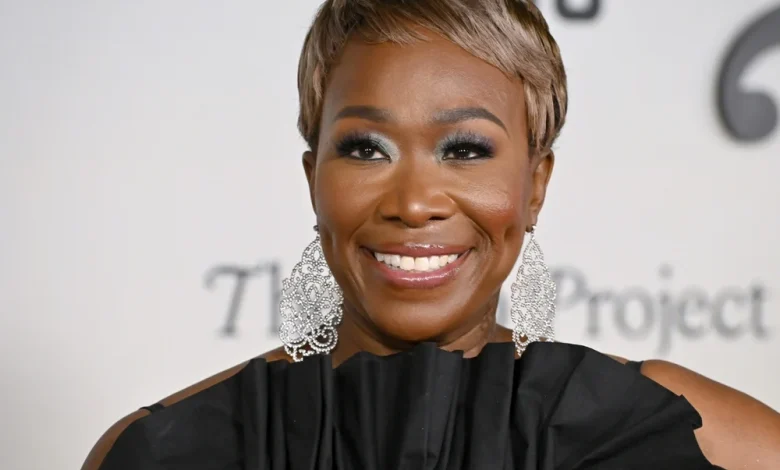
When Joy Reid parted ways with MSNBC at he beginning of 2025, the announcement landed like a thunderclap across the media landscape.
The exit of the network’s highest-profile Black female anchor set off a flurry of speculation — some of it political, some cultural, all of it steeped in the charged atmosphere of an election year and a shifting media ecosystem.
Joy Reid axed at MSNBC
“Joy Reid is leaving the network and we thank her for her countless contributions over the years,” MSNBC president Rebecca Kutler wrote in a memo to staff, praising Reid’s years of work and noting her recent 2025 NAACP Image Award for Outstanding News Series. Rotating anchors would cover her hour, she added, but the memo offered little insight into why one of the network’s flagship voices was suddenly gone.
Reid has long been an unflinching critic of President Donald Trump, and her departure arrived just as his administration was ramping up its rollback of Diversity, Equity, and Inclusion (DEI) initiatives. To many, the timing felt conspicuous. To others, it was simply business.
One of the loudest voices in the latter camp was ESPN’s Stephen A. Smith.
Stephen A. Smith said Joy Reid’s demise were her ratings
“Nobody was watching her show,” the “First Take” host proclaimed on his own program, dismissing suggestions that Reid’s firing had anything to do with race. “People want to make this a race issue, but the reality is, the numbers don’t lie.”
It was classic Stephen A. — pugnacious, provocative, and guaranteed to drive clicks. But Reid wasn’t ready to let the narrative go unchallenged.
@carichampion
Part 1 of 2. The conversation deserves 2 episodes. On this episode of NakedSports- @Joy Ann Reid joins me to discuss all things- her time after MSNBC. Her thoughts on where we are headed as a country. She also shares her thoughts on the #Diddy documentary! And lastly- her words for Stephen A Smith. She said what she said. @Black Effect Podcast Network – Download wherever you get your podcasts.
♬ original sound – championcari
Joy Reid claps back at Stephen A. Smith
In a recent sit-down with former ESPN host Cari Champion — clips of which quickly circulated via TikTok — Reid fired back at Smith.
“He said I got fired for ratings,” Reid recalled, her tone equal parts incredulous and amused. “And I’m like, ‘Uh, excuse me, sir. You got $100 million for a show with half my ratings at my worst.’ I had to literally Google his numbers.”
Then she went further. Much further.
“They’re paying you not for your numbers, my friend,” she continued. “They’re paying you because you’re willing to say the nasty things about Black people that they want to say. You’re willing to take their denigration of Black women and put it in the mouth of a negro.”
Her critique only sharpened from there.
“And because you’re willing to put the denigration of Black women in particular into a negro’s mouth, you now think, ‘Oh I must be a freaking political genius!’ But just be clear, you’re not being paid for your numbers. You’re being paid for what you’re willing to do to us for White people’s entertainment.”
Another former ESPN personalities weigh in
Harsh words, but not without context. Smith is one of the most highly compensated personalities in sports media, with The Athletic reporting that his earnings are approaching $40 million a year. He’s currently in the middle of a five-year, $105 million deal with ESPN, alongside a three-year, $36 million contract with SiriusXM. Add in revenue from his YouTube presence and podcast, and Smith has become a one-man media empire — one that often thrives on conflict.
Stephen A. Smith has yet to fire back at Joy Reid
For Reid, the clash isn’t just personal; it’s emblematic of a broader power struggle over who gets to shape the political and cultural narratives of the moment. For Smith, it’s another opportunity to dominate the conversation in the way only he can.
And for the rest of us, it’s a revealing look at the fault lines running through American media — race, ratings, and the ever-blurring line between entertainment and influence.