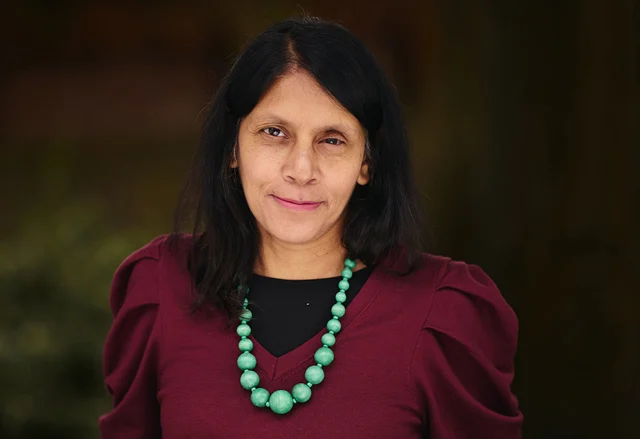
The chief executive of Oxfam has stepped down after trustees concluded that allegations of bullying and misconduct had caused an irretrievable breakdown in trust, marking the latest crisis for one of Britain’s largest charities. Halima Begum, who had led the organisation for nearly two years, was removed following an external investigation into claims that she fostered a climate of fear among staff.
According to reporting by The Times UK, Begum faced mounting pressure after nearly 70 employees signed a letter urging trustees to investigate her leadership, with several staff members said to have resigned following disputes with her. She was accused of bullying behaviour, inappropriate interference in internal investigations and damaging Oxfam’s reputation for neutrality through her public engagement on the Gaza conflict.
Oxfam said its trustees had a duty to examine serious concerns about leadership and governance and had commissioned an independent review that gathered testimony from 32 current and former employees alongside documentary evidence. The review identified serious issues in Begum’s leadership behaviour and decision-making, including breaches of organisational processes and values, and inappropriate involvement in safeguarding and integrity cases.
In a statement, the charity said the findings led the board to conclude there had been an irretrievable breakdown in trust and confidence in Begum’s ability to continue as chief executive. Trustees unanimously agreed that her ongoing employment was untenable, and she has therefore left the organisation. Oxfam added that it respected staff who had raised concerns and said the review would strengthen the charity’s commitment to openness and learning.
Begum, who earned more than £130,000 a year, has been approached for comment. The Times UK reported that she denies the allegations, with sources suggesting that some complaints were made anonymously by staff unhappy with a cost-cutting restructuring programme she was overseeing. Sources also claimed Begum was unaware she had been dismissed and had been considering resigning after allegedly being racially abused by a colleague.
Her departure follows controversy over her participation in a Westminster panel discussion alongside Palestinian journalist Abubaker Abed, who has previously described the October 7 attacks on Israel as a “great day”. Staff raised concerns that the event, held under Oxfam’s banner, undermined the charity’s neutrality. After the event was reported, Oxfam fundraisers were reportedly confronted and forced to leave streets in a Jewish area of north London.
The crisis adds to a series of scandals that have dogged Oxfam in recent years. An investigation by The Times UK in 2018 exposed a cover-up of sexual misconduct by staff during the Haiti earthquake response, triggering resignations and a Charity Commission inquiry. Further allegations of serious misconduct by a senior official in the Democratic Republic of Congo were upheld by an external investigation in 2022.
In a separate letter seen by The Times UK, 108 current and former employees warned trustees that the actions of senior leadership were putting Oxfam’s reputation and impact at serious risk. They said a restructure led by Begum had created widespread animosity, undermined staff morale and left employees feeling targeted and fearful of retribution.
Trade union Unite said morale at Oxfam was deeply damaged, citing a poorly handled redundancy programme, allegations of a purge of union representatives and management’s decision not to offer a cost-of-living pay rise in 2025. Unite said it would begin balloting for industrial action in response.
Begum joined Oxfam in March 2024 after being headhunted from ActionAid, where her sudden resignation had already unsettled staff. Her tenure at Oxfam, intended to restore stability, instead ended amid escalating internal dissent, leaving the charity once again confronting questions about leadership, culture and governance.