The phone trick to stop scam ‘+44’ robocalls — experts warn that answering them puts you on more criminal databases

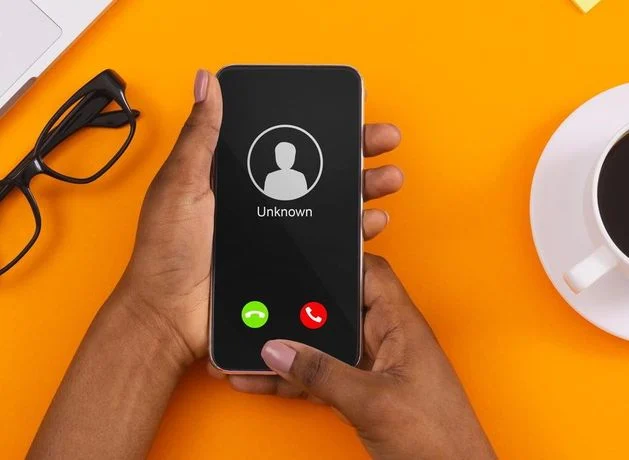
Ireland is currently experiencing a wave of scam robocalls that appear to be from UK-based +44 telephone numbers. While the telecoms regulator prepares a fix, there is a new way to stop them
Ireland is currently undergoing a wave of automated scam calls that appear to have UK-based, or +44, prefixes.
When answered, the fake calls are typically recordings that purport to be from a HR provider such as Indeed or retailers.
Some calls offer ‘options’ to ‘resolve’ the scammer’s purported issue. However, authorities warn that merely by answering the call, you are possibly placing yourself on new scammer databases which are sold on to other criminal organisations.
“Scammers use software to call or text a range of numbers at the same time and then note which are answered,” said the telecoms regulator, Comreg, in a note on the issue.
“Answered numbers are recorded as genuine in-use numbers and may be sold on the internet to other cybercriminals.”
This is echoed by cyber security experts such as Brian Honan, owner of the security firm BH Consulting.
News in 90 Seconds – 12 December 2025
Mobile numbers, Honan said, “can be the key to tracking someone online or building up a profile of them to use for targeted scams”. They are, he added, “very useful for criminals as it is probably one of the very few pieces of information that we don’t change over our lifetime.
“It’s good advice not to answer calls from numbers that you do not recognise as doing so confirms to the scammers that they have a number associated with an individual. They can then use that number to tie in other personal details belonging to you and associate it with the mobile number.“
Dozens of Irish people contacted the Irish Independent to say they have been inundated with the scam robocalls in recent days and weeks.
The origin of the current wave of scam calls is not known, but is likely to come from outside Europe, according to security experts.
The process by which a geographic prefix such as the UK’s designated +44 number is attached is known as ‘spoofing’, where calls can be labelled with numbers that are not the genuine originating sources.
ComReg says that it hopes to roll out a new feature next year to better deal with such scam calls. It calls the measure a ‘voice firewall’ and says that the system will use AI to detect atypical call behaviour aimed at cracking down on fraudulent activity.
“The Voice Firewall will be deployed in the first half of 2026,” the regulator said on its website this week.
“The impact of the Voice Firewall should provide an important defence against scam calls, notably including those which spoof international numbers. This is a dynamic intervention that uses advanced real time call data analytics and machine learning to detect and act upon unusual patterns of call signalling data, traffic volumes and call originating location.”
The regulator says that it has already implemented some measures that have helped crack down on other types of scam calls plaguing Irish mobile phones, leading to a reduction in fraudulent calls that appear to be from Irish numbers but which are spoofed.
However, the regulator is still trying to get its paused scam-text-blocking system back on track after deferring the process in September.
The move had begun labelling fake texts as ‘likely scam’ and had planned to block them entirely from October 3rd.
But it found that too many legitimate texts were being falsely labelled as ‘likely scam’ and it decided to defer a further rollout for fear that important texts from hospitals, doctors and other essential services would be blocked under the system.
….
A NEW WAY TO STOP SCAM ROBOCALLS
While the regulator prepares its new anti-robocall AI measures, there are new ways for owners of iPhones and some Android phones to protect against the scam calls.
Apple iPhones updated to the most recent iOS 26 operating system can activate a new call screening feature that answers all unknown calls on your behalf and notifies you with a message from the caller before giving you the option to connect to the call.
To activate the feature, make sure your iPhone is updated to iOS 26 by visiting ‘General’ and ‘Software Update’ in the Settings app.
Then re-open Settings, scroll to ‘Apps’ and then pick ‘Phone’. Then, under ‘Screen Unknown Callers’, tap ‘Ask Reason for Calling’.
A similar feature has recently been enabled for Google Pixel phone owners in Ireland. Within the phone app, choose ‘More’ and then ‘Settings’ and then ‘Call Screen’. Then tap ‘Automatically Screen Calls’.