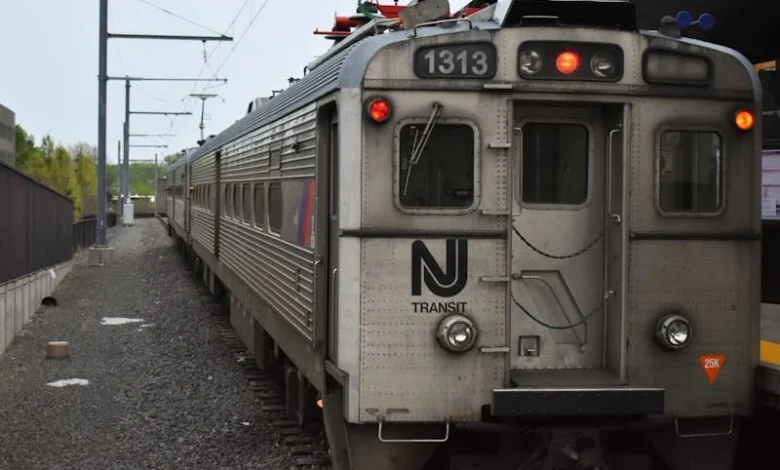
On Dec. 1, Princeton Undergraduate Student Government’s Transit Working Group gave away around 200 discounted $10 NJ Transit tickets to New York City. This pilot program intended to demonstrate undergraduate student support for a subsidized NJ Transit plan, which would lower transportation costs and help level the playing field for students who feel the inhibitive price prevents them from taking advantage of the city. The initiative, communicated to students via email and carried out through MyPrincetonU, was extraordinarily popular: within seconds, the tickets were gone.
That level of response demonstrates how deeply students feel the burden of transportation fares — it now costs roughly $42 for a round-trip from Princeton Station to New York Penn Station. But it also highlights the limits of certain solutions. Budgets render discounted ticket giveaways small in scale and available only to those who are both fast — and lucky — enough to claim them, and willing to pay the discounted price.
Although USG must work within the limits of its budget, if the goal is a long-lasting subsidized public transportation program for students, the University should implement systematic ticket stipends for students.
The good news is that the University already knows how to do this.
Princeton has a strong record of leveling the playing field through targeted stipends and allowances that expand access without prescribing how students must use them. First- and second-year students on the unlimited meal plan receive $150 PawPoints each semester that are usable at Campus Dining locations and select off-campus shops. Every student also receives six “Passports to the Arts,” which grant free access to various performances on campus. Even USG itself has enacted its own programs: weekly movies at the Garden Theatre, for all those who are interested to enjoy. From these, we come to the understanding that access to meaningful opportunities should be universal and built into the student experience.
Off-campus transportation fits seamlessly within this precedent, and can even draw from these initiatives. The University also has an existing 50 percent transit subsidy for faculty and graduate students that allows for reimbursements of up to $375 per commute month, assuming a $750 up-front cost, but reimbursements apply only to bulk or pass-based transit purchases, such as monthly passes or multi-ride ticket packs from providers including NJ Transit, SEPTA, the MTA, PATH, and Amtrak. Individual one-way or round-trip tickets, Tap2Pay fares, and single-ride purchases are not eligible.
Rather than a restrictive subsidy plan, or bulk-purchasing NJ Transit tickets to be resold at a discount, USG could advocate for a universal transportation stipend — perhaps $100 or $150 per semester or year — for undergraduate students to take NJ Transit whenever and however they choose.
Of course, a stipend model would not be cheap. A universal allowance would cost significantly more than discounted bulk ticket purchases, and any serious proposal must reckon with that reality.
Support nonprofit student journalism. Donate to the ‘Prince’. Donate now »
Princeton could instead first consider a tiered plan that acknowledges financial aid. It could start with, for example, four free tickets per semester for students on full aid. The University could also factor the price of a couple of round trip tickets to New York into the “personal expenses” stipend — stipulated to be for books, transportation, and recreation — that students on full aid already receive. Then gradually, they can move toward the same amount for all.
If such a stipend were administered by the University, would it come at the expense of other programs? It’s possible, but in a list of priorities for student life, transportation is nothing to scoff at. Transportation shapes students’ access to internships, healthcare, family, religious communities, recreation, and other opportunities beyond the Orange Bubble. If the University wants to home in on their efforts to promote equity, then investing in transportation justly warrants reallocation or expansion of resources.
The enthusiasm around USG’s ticket giveaway proves that students want change. The challenge now is to move from demands to policies. A transportation stipend would require hard conversations about funding tradeoffs — but it would also affirm something essential: that easy access outside the Orange Bubble should not be a privilege for a few, but rather a shared aspect of an equitable Princeton experience.
Emily Zhang ’29 is a contributing Opinion writer for the ‘Prince.’ She is from Poughkeepsie, N.Y., and can be reached at ez5618[at]princeton.edu.
Get the best of the ‘Prince’ delivered straight to your inbox. Subscribe now »