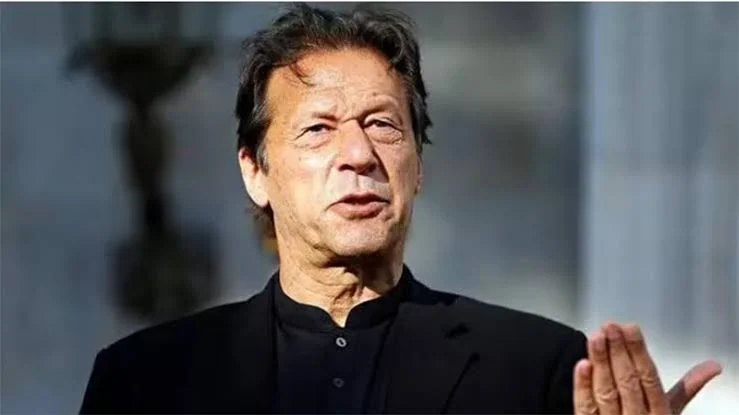
A United Nations human rights expert has raised serious concerns over the continued detention of former Pakistani Prime Minister Imran Khan, calling on authorities to ensure that his treatment fully complies with international legal and human rights standards. The statement has renewed global attention on Pakistan’s political and judicial climate, as well as broader questions about the rule of law in the country.
The UN expert’s remarks come amid growing international scrutiny of Khan’s legal troubles, which supporters describe as politically motivated and critics defend as lawful accountability. Regardless of political opinion, the UN has emphasized that due process and human rights protections must be upheld for all individuals, including high-profile political figures.
Concerns Raised by the United Nations
The UN expert expressed alarm over what was described as irregular legal procedures, limited access to legal counsel, and questions surrounding the fairness of court proceedings. While stopping short of declaring the detention illegal, the expert stressed that any deprivation of liberty must follow clear legal grounds and respect international norms.
International human rights law requires detainees to be:
Informed promptly of charges
Granted access to lawyers of their choice
Tried by independent and impartial courts
Protected from arbitrary detention and ill-treatment
The expert urged Pakistani authorities to demonstrate transparency in Khan’s case and ensure that judicial processes remain free from political interference.
Background to Imran Khan’s Detention
Imran Khan, a former cricket star turned politician, served as Pakistan’s prime minister from 2018 to 2022. Since his removal from office through a parliamentary no-confidence vote, he has faced multiple legal cases ranging from corruption allegations to state secrecy violations.
Authorities argue that the cases are based on evidence and are being handled through legal channels. Khan’s supporters, however, view the charges as part of a broader crackdown on political opposition, pointing to arrests of party members and restrictions on political activities.
His detention has triggered protests across Pakistan, some of which have been met with heavy security responses, further drawing international concern.
International Standards and Legal Obligations
Pakistan is a signatory to several international treaties, including the International Covenant on Civil and Political Rights (ICCPR). These agreements require the state to protect fundamental freedoms, including the right to a fair trial and freedom from arbitrary arrest.
The UN expert highlighted that compliance with these obligations is not optional, even during times of political tension or national security concerns. The statement emphasized that respecting human rights strengthens democratic institutions rather than weakening them.
Legal analysts say the UN’s intervention does not determine guilt or innocence but focuses on whether legal procedures meet global standards.
Government Response and Official Position
Pakistani officials have rejected allegations of political persecution, stating that the judiciary operates independently and that no individual is above the law. Government representatives maintain that Khan has access to legal representation and that court proceedings are ongoing.
Officials also argue that public order and national stability must be maintained, especially following violent protests. However, human rights groups caution that security measures should not override fundamental freedoms.
The government has yet to issue a detailed response addressing the specific concerns raised by the UN expert.
Impact on Pakistan’s Global Image
The UN’s statement could have significant implications for Pakistan’s international standing. Human rights assessments often influence diplomatic relations, trade negotiations, and foreign aid decisions.
Analysts note that sustained criticism from international bodies can increase pressure on governments to reform legal processes and improve transparency. At the same time, officials must balance international expectations with domestic political realities.
For Pakistan, the case has become a test of its commitment to democratic principles and judicial independence.
Public Reaction at Home and Abroad
Reactions to the UN expert’s comments have been mixed. Khan’s supporters welcomed the statement as validation of their concerns, while government allies dismissed it as external interference in domestic affairs.
Internationally, rights organizations and legal experts have echoed calls for transparency and adherence to due process. Many stress that the issue extends beyond one individual and reflects the broader health of Pakistan’s justice system.
Conclusion
The UN expert’s criticism of Imran Khan’s detention has once again placed Pakistan’s legal and political systems under the global spotlight. While the outcome of Khan’s cases remains uncertain, the message from the UN is clear: international human rights standards must be respected, regardless of political circumstances.
As Pakistan navigates this sensitive period, the way authorities handle high-profile cases like Khan’s could shape the country’s democratic future and its relationship with the international community for years to come.