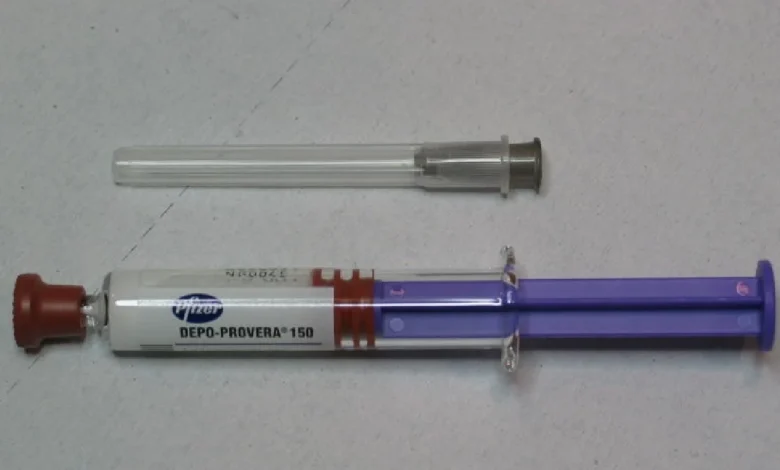
WASHINGTON (7News) — This week, the FDA approved a label change on Depo-Provera, requiring its maker, Pfizer, to warn women about links between use of the birth control injection and brain tumors known as meningiomas.
The FDA told Pfizer it can add information related to the risk onto Depo Provera’s packaging and must submit the content for that label in the next two weeks.
RELATED | Legal fight intensifies over Depo-Provera and brain tumor allegations
This marks a major shift, as the FDA had previously rejected Pfizer’s bid to update the label in 2024, although some in the legal community suggest Pfizer intentionally submitted a substandard request, knowing the FDA would reject it, thus allowing the company to use the rejection as a legal defense.
There is a growing body of scientific research identifying the risk, with a recent study showing women were about 5.5 times more likely to develop a meningioma compared to women not using hormonal contraceptives.
Women in Canada and the EU have been warned about a link between Depo-Provera and brain tumors as far back as 2022, but no such warning has ever existed for American women.
RELATED | The unseen risk: For some women, injectable birth control may be linked to brain tumors
More than 2,000 women are suing Pfizer in America over meningiomas they believe are linked to Depo Provera. Leading attorneys in those cases issued the following statement:
“For years, Pfizer misled doctors, patients, and the FDA about Depo-Provera’s link to meningiomas, resulting in the needless suffering of thousands of women who developed these dangerous brain tumors. Pfizer’s knowledge of this risk goes back decades, yet there was no warning provided. We applaud the FDA in finally requiring this label change to better inform and protect women. We are committed to pursuing justice for the thousands of women whose lives were shattered when they developed brain tumors caused by Depo-Provera and suffered lasting neurological damage, vision loss, and death due to Pfizer’s misconduct.”
We’ll continue to closely follow that case as it proceeds.