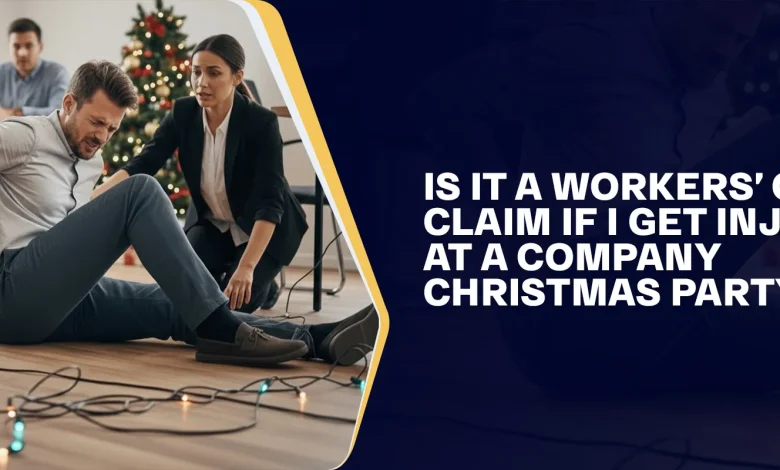
A company Christmas party injury can qualify as a workers’ compensation claim in California, but only when the event is closely connected to your job. Coverage is more likely when your employer sponsors the party, expects attendance, controls activities, or gains a business benefit such as morale-building or team development.
If the party is truly voluntary and purely social, workers’ compensation often does not apply, and your options may involve other legal paths, depending on who caused the harm. Because these cases depend on specific facts like employer pressure, location, timing, and alcohol policies, two similar injuries can lead to different outcomes. Below, we explain what California law looks at and what steps you can take to protect your rights.
Key factors California uses to evaluate a workers’ comp claim after a company Christmas party:
- Required or strongly encouraged attendance supports coverage.
- Employer sponsorship or control supports a work connection.
- A business benefit can make the event a work-related activity.
- Purely voluntary social activities are often excluded from workers’ compensation.
- Evidence, such as emails, invitations, and policies, can be significant.
When A Company Christmas Party Injury May Be A Workers’ Comp Claim
Workers’ compensation may apply to an injury sustained at a company holiday party if the event has a sufficient connection to the employee’s employment. Under California law, this often depends on whether the employer exercised control or received a benefit from the gathering.
You may have a valid workers’ comp claim if:
- Attendance Was Required or Strongly Encouraged — If employees were expected to attend, pressured by management, or attendance is a factor in performance evaluations, the event may be considered work-related.
- The Event Was Employer-Sponsored or Controlled — Coverage is more likely if the employer organized the party, paid for the venue, hired vendors, or supervised activities.
- The Employer Benefited From the Event — Events designed to boost morale, promote teamwork, provide training, or support business goals may qualify as work-related.
- The Timing or Location Replaced Normal Work Duties — Parties held during work hours, on company premises, or instead of regular job duties may support coverage.
Each case is evaluated individually, and no single factor automatically determines eligibility.
If you’re asking yourself, “Do I need a personal injury lawyer?” The answer depends on the circumstances. Filing a claim for Christmas party injuries can be complex, and seeking free accident lawyer advice may be beneficial. A personal injury lawyer can help you understand your options and let you know if you have a valid claim.
Wondering if you have a case? Reach out today for legal guidance and support from our workers’ compensation lawyers. AK Law Firm can help you understand your rights and explore your options. You can call us at (888) 488-1391 for a free case review.
How California Workers’ Comp Looks At Company Christmas Parties
California workers’ compensation law looks at whether an injury both “arose out of” and occurred “in the course of employment.”
- “Arising Out Of” Employment — The injury must be connected to your job or a work-related activity.
- “In the Course of Employment” — The injury must occur while performing job duties or participating in a work-related event.
Company holiday parties can meet these requirements when attendance is expected or the employer benefits from the event.
No-Fault System
California uses a “no-fault” workers’ compensation system. This means:
- You generally do not need to prove your employer was negligent.
- Benefits may be available even if no one is clearly at fault.
- Coverage applies to most work-related injuries, except for a few specific cases.
However, intentional misconduct or intoxication can complicate eligibility and may affect benefits.
Two-Prong “Ezzy” Test For Work-Related Activities
Courts often rely on Ezzy v. Workers’ Comp. Appeals Bd. (1983) to evaluate injuries during off-site or social activities. To qualify, you generally must show:
- You reasonably believed your employer expected you to participate.
- That belief would seem reasonable to an objective observer under the circumstances.
Evidence such as emails, invitations, schedules, or statements from supervisors may help establish this connection.
Common Holiday Party Injury Risks That Lead To Workers’ Comp Claims
Company holiday events present unique risks that can lead to serious injuries. There are several common scenarios of workplace holiday party injuries.
Slips, Trips, And Falls
Slips, trips, and falls are among the most common causes of injuries at company holiday parties, especially when events are held off-site or outside normal working hours. Spilled drinks, wet entryways, dim lighting, crowded walkways, and makeshift furniture arrangements all increase the risk of falls. Heels, dress shoes, and unfamiliar flooring can further contribute to instability.
These accidents often result in injuries such as sprains, torn ligaments, fractures, back injuries, or head trauma. Treatment may involve emergency care, imaging, physical therapy, chiropractic treatment, or ongoing pain management. In more serious cases, employees may require time off work or temporary work restrictions.
To preserve workers’ compensation eligibility, injuries should be reported promptly and documented with photos, witness statements, and medical records. When the event is employer-sponsored or attendance is encouraged, slip-and-fall injuries may still qualify for benefits, even if alcohol is involved or the location is off-site.
Holiday Decoration Hazards
Holiday decorations at company parties can create injury risks when lights, extension cords, or décor are improperly installed at event venues. Extension cords running across walkways, overloaded outlets, unsecured displays, temporary lighting, and hanging decorations can lead to trips, falls, electrical shocks, or fire-related injuries during the event.
When decorations are installed by the employer, venue staff, or at the employer’s direction, injuries caused by these hazards may still qualify for workers’ compensation. Documentation such as photos of the setup, witness statements, and proof that the event was employer-sponsored can help support a claim.
Alcohol-Related Injuries
Alcohol served at company holiday parties can increase the risk of slip-and-falls, vehicle crashes, and other injuries. Still, alcohol use can also affect workers’ compensation eligibility under California law.
Workers’ compensation generally does not cover injuries caused primarily by an employee’s intoxication. However, alcohol use does not automatically bar a claim. Coverage depends on whether intoxication was a substantial cause of the injury and whether the event was employer-sponsored or work-related.
Claims involving alcohol are often closely reviewed when injuries involve:
- Slips or falls during a work-sponsored event.
- Injuries occurring while participating in expected party activities.
- Accidents where employer-provided alcohol and supervision may be factors.
Injuries that occur after leaving the event, including car accidents while driving home, are typically not covered by workers’ compensation. These situations raise separate questions about liability, including whether employers may be held responsible for employees’ car accidents under certain circumstances.
Because alcohol-related claims are highly fact-specific, workers’ compensation attorneys can help determine whether workers’ comp or another type of claim may apply.
Auto Accident Claims
If you are injured in a car crash while driving home after a company Christmas party, workers’ compensation usually does not apply because commuting is generally outside the course of employment. Limited exceptions may exist, but coverage depends on the specific facts. Car accident lawyers can evaluate the case to determine the employee’s legal options.
Even when workers’ comp does not apply, a crash after a work event may still involve:
- A third-party personal injury claim against an at-fault driver.
- An auto insurance claim through your own coverage or the at-fault driver’s insurer.
- Premises liability issues if the crash is tied to unsafe property conditions before departure.
Because liability and coverage vary by situation, two similar crashes can lead to different outcomes.
Injury Sustained In Workplace Conflict
Altercations can occur during holiday events, resulting in physical confrontations and injuries. The employer may not be liable for these incidents. However, the injured party can still file a personal injury claim against the person who caused the harm. Victims can seek guidance from injury attorneys to clarify their legal options and understand their rights.
What To Do After Getting Injured At A Company Christmas Party
Say you’ve survived the office dance-off and dodged the questionable eggnog. However, you still managed to get injured at the company Christmas party. Now what? Here are some suggestions on what you can do next:
- Seek Immediate Medical Attention — Get treatment right away and keep all medical records.
- Report Your Injury — Inform your supervisor about the incident. Send them an email or text and loop in the HR if possible. Additionally, make sure to document everything! This written notice can serve as valuable evidence to present to the insurance company later on.
- Fill Out & Submit a DWC-1 Claim Form — The DWC-1 claim form officially starts the workers’ compensation claims process.
- Consult a Lawyer — Work injury lawyers can explain whether workers’ compensation, a personal injury claim, or both may apply.
What Happens After You Submit The Claim? (Timeline & Responsibilities)
After you submit a DWC-1 form, the employer and insurance provider must respond within the specified timeframes:
- Within one working day, the employer provides a claim form and medical treatment authorization.
- Within 14 working days, the insurance provider must either accept or deny the claim.
- If delayed longer than 14 working days, victims are typically entitled to up to $10,000 in medical benefits while waiting for approval.
If the insurance company denies or takes too long to pay your claim, talk to a California workplace accident lawyer. They can discuss your possible legal options.
Frequently Asked Questions About Workers’ Compensation Claims
Getting injured during a Christmas party is on no one’s wish list. However, accidents can happen even at work events. If you’re hurt on the job or during a work-sponsored activity, you likely have questions about your rights and how to file a workers’ compensation claim. Here are answers to some of the most frequently asked questions.
Is It A Workers’ Comp Claim If I Get Injured At A Company Christmas Party?
An injury at a company Christmas party may qualify as a workers’ compensation claim when specific work-related factors are present, including:
- Attendance was mandatory or strongly encouraged by the employer.
- The employer sponsored, organized, or controlled the event.
- The event served a business purpose, such as improving morale or teamwork.
- The circumstances show a clear connection between the event and the employee’s job duties.
When these conditions apply, the injury is more likely to be considered work-related under California law.
Understanding the difference between a workers’ compensation claim and a personal injury lawsuit can help clarify your options. Workers’ compensation usually applies to job-related injuries and limits claims to benefits provided by the system. A personal injury lawsuit may apply when someone other than your employer caused the injury.
What Company Christmas Party Injuries Aren’t Covered By Workers’ Comp?
Coverage usually depends on whether your employer officially sponsors the event and if attendance is required or encouraged. However, injuries may not be covered if:
- The party was not work-related, and attendance was purely voluntary.
- You sustained injuries due to intoxication, horseplay, or violating company rules.
- The injury happened after you left the event or off company property.
- The activity was unrelated to your job duties.
Can I Claim Compensation For An Injury At Work?
Yes, you can usually pursue compensation if you get injured at work. California Labor Code requires employers to have workers’ compensation insurance, which helps cover medical bills and lost wages if you get hurt while doing your job. There are some exceptions. Generally, workers’ compensation is the “exclusive remedy,” which means you typically cannot sue your employer for the injury. However, you may still be able to file a lawsuit if your employer intentionally caused your injury or if a third party was responsible.
Does It Matter That The Party Was Off-Site At A Restaurant Or Hotel?
It can matter, but not always. Workers’ compensation may still cover injuries from a company party held at a restaurant or hotel if the event was sponsored or organized by your employer, or if you were expected or encouraged to attend. What’s important is whether the event was work-related, not just the location. If the party was truly voluntary and not connected to your job, coverage might not apply.
What If I Slipped On A Spilled Drink Or Food While Walking To The Restroom?
Workers’ compensation may compensate you if you slipped on a spilled drink or food while walking to the restroom at a workplace party, especially if your employer organized it. What matters most is whether you sustained injuries while at work. If you were doing something unrelated to the event or breaking corporate regulations, insurers can deny your claim.
Another aspect to consider is premises liability. If you get hurt at a place not owned by your employer, such as a restaurant or private property, the owner or manager may be responsible for unsafe conditions. If unsure, report the injury to your employer and seek legal assistance from a personal injury attorney.
Who’s Liable When Someone Is Injured At A Christmas Work Event?
It depends on the circumstances of the accident. In California, premises liability law holds property owners and organizers responsible for maintaining a safe environment for visitors. Liability may arise if:
- The owner/organizer created the condition.
- The owner/organizer was aware of the condition but did not address it.
- The hazard existed long enough for the owner/organizer to have discovered and fixed it.
However, if factors beyond the safety of the premises contributed to the accident, liability may shift. A personal injury lawyer can examine the situation and assess who might be responsible.
Do I Still Have A Claim If I Chose To Attend, But My Manager Strongly Urged Everyone To Go?
Yes, you may still have a valid claim even if attendance was technically optional. When a manager strongly encourages participation or creates an expectation that employees should attend, the event may be considered work-related rather than purely voluntary. In those situations, injuries may still qualify for workers’ compensation coverage.
Saving emails, texts, or calendar invitations that show attendance was encouraged can help support your claim. Promptly reporting the injury and documenting how the event was connected to your job may also be important in determining eligibility.
Know Your Rights After Getting Injured At A Company Christmas Party
If you suffered injuries at a company holiday party, you might wonder if workers’ compensation covers your situation. A workers’ compensation attorney can review your case and discuss your next steps.
If you’re wondering, “Do lawyers only get paid if they win?” the answer is yes if they work on a contingency fee basis. Under this arrangement, workers’ compensation lawyers only get paid if they recover damages on behalf of their clients. One of our attorneys can explain how this fee structure works and discuss any potential case-related costs during your consultation.
Contact Arash Law at (888) 488-1391 or complete our “Do I Have A Case?” form for a free initial consultation.