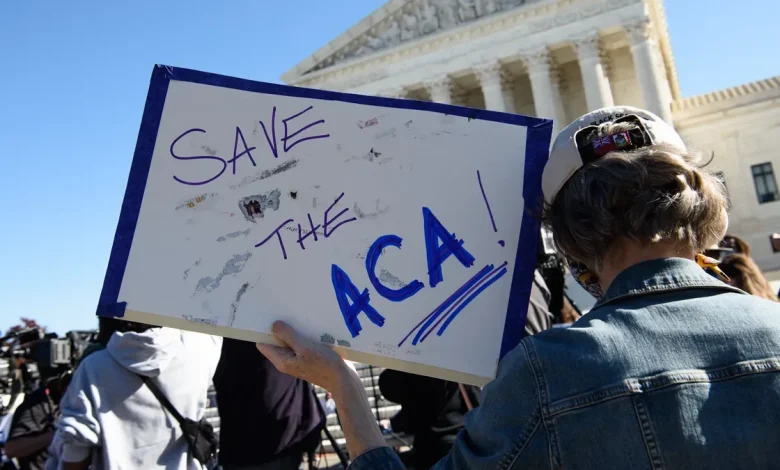
The best way to solve the Affordable Care Act’s woes is to construct an alternative approach to health care reform.
Health care premiums set to rise as ACA subsidy deal collapses
Obamacare subsidies are set to expire after Congress failed to reach a deal, leaving millions facing higher health care costs.
The pandemic-era “premium subsidies” for Obamacare are set to expire Dec. 31, resulting in higher health insurance premiums for enrollees across all income levels.
House Speaker Mike Johnson has refused to put a vote to the floor, but there remains the possibility that some breakaway Republicans side with Democrats to extend the subsidies. With looming midterm elections in 2026, many elected Republicans are trying to navigate this political turbulence, with some being open to an extension.
The Affordable Care Act is a bad policy that the government is subsidizing to keep afloat. If you can’t say no now, what is the point of winning elections? Republican legislators should say no to extending the Affordable Care Act’s premium subsidies and offer up a better plan.
What is Congress debating on Obamacare?
The Affordable Care Act has a fundamental flaw. It mandates that insurance companies cannot charge more for preexisting conditions. The result is that a relatively few costly patients drive up the cost of all ACA-compliant health plans.
To hide these costs, Obamacare includes subsidies. This doesn’t actually save Americans money; it just shifts the burden from those enrolled in ACA-compliant plans to the taxpayers as a whole. Congressional Democrats in 2021, under the guise of COVID-19 relief, passed enhanced subsidies that increased the income criteria needed to qualify for said subsidies.
An estimated 7.3 million people are projected to lose their subsidized coverage, out of 24.3 million Obamacare enrollees.
These enhanced subsidies, which were not a part of the original Obamacare legislation, are set to expire at the end of 2025. Upon expiration, enrollees will see their coverage more than double on average. This is the stat that Democrats will want to focus on, but they’re leaving out valuable context.
A part of the increase is due to the premiums themselves rising across the board. Pre-subsidy premiums are expected to rise by 26% on average. The rising health care costs in America are largely caused by the underlying Obamacare policy’s burdensome regulations. The typical healthy enrollee’s costs are only so high because they are subsidizing the health care of sick people due to Obamacare’s preexisting conditions guarantee.
The cost of extending these subsidies is far too great as well. A permanent extension would cost $350 billion across the next decade. A two-year extension would cost about $60 billion.
Sinking billions of dollars into providing life support for failing government health insurance is unwise. I have no problem admitting that I don’t think Americans should have their health insurance subsidized by the government.
What is the point of winning elections if you can’t say no to bad policy?
The best way to solve the Affordable Care Act’s woes is to construct an alternative approach to health care reform. The key problem that Republicans have had for more than a decade is that they haven’t brought an alternative to the table. Now that it’s crunch time, swing moderate Republicans may be tempted to take relief for Americans rather than cutting away bad policy.
Democrats have already forced the longest government shutdown over extending ACA subsidies, but they were unsuccessful in reaching an extension with Republicans when the 43-day shutdown ended Nov. 12.
Now, some Republicans seem open to negotiating to avoid the political backlash that would result from the expiration of these subsidies.
A Republican vote to extend these subsidies would mark a GOP effort to build upon the existing Affordable Care Act framework. Doing so now will only worsen the ratchet effect going into the future, as it further solidifies the program as the standard framework our parties will work within, rather than the possibility of an alternative approach.
Part of the benefit of having complete control of government is the ability to take prudent actions that may hurt your electoral chances in the future. If you are stuck worrying about the electoral politics of your policies while in power, you won’t get a whole lot of important work done. It’s made harder by the fact that Republicans are struggling to come up with a solidified alternative plan for health insurance, but that doesn’t mean moderates ought to extend bad policy.
I don’t envy the decision facing swing Republicans. They are left deciding between voting for bad policy to become further entrenched, which will inevitably come back to haunt Republicans again in a couple of years, or facing the political winds of premium increases for many of their voters. As hard as it is, the prudent choice is to take the political loss now, in an already unfavorable election cycle, rather than push the problem to later.
Dace Potas is an opinion columnist for USA TODAY and a graduate of DePaul University with a degree in political science.