Quick Read
- Malala Yousafzai released her memoir ‘Finding My Way’ in 2025, exploring her journey from trauma to hope.
- The book details her personal struggles with PTSD, public expectations, and the healing power of vulnerability.
- Malala offers candid insights into her marriage to Asser Malik and how it shaped her healing process.
- She urges readers to embrace vulnerability and seek help, emphasizing that hope can arise from adversity.
Malala’s Memoir: A Journey Through Pain, Growth, and Hope
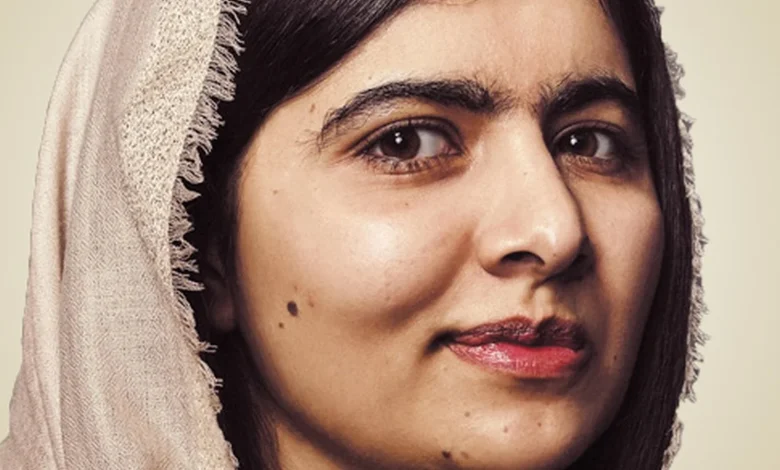
In 2025, Malala Yousafzai—the world’s youngest Nobel Peace Prize laureate and a tireless advocate for girls’ education—has once again opened her heart to the world. Her new memoir, “Finding My Way”, is not merely a retelling of events. It is a brave, unfiltered exploration of trauma, resilience, and the ongoing quest to define oneself beyond the headlines.
From Swat Valley to the World Stage: The Roots of Courage
The story begins in Swat Valley, Pakistan, where Malala’s passion for education was first kindled. The lush valleys and the vibrant communities of her childhood now stand in stark contrast to the violence that would later upend her life. In 2012, Malala’s world changed forever when she survived a near-fatal attack by the Taliban for speaking out about girls’ right to education. This traumatic event catapulted her onto the global stage, but it also left her grappling with a complex mix of survivor’s guilt, fame, and the relentless pressure to embody hope for millions.
In Finding My Way, Malala does not shy away from these difficult truths. For the first time, she candidly discusses her struggles with post-traumatic stress disorder (PTSD), the heavy weight of public expectation, and the loneliness that can accompany even the most celebrated journeys. According to ProCapitas, Malala’s memoir is as much about the emotional scars as it is about the physical ones—a story not just of survival, but of ongoing healing.
Redefining Strength: Embracing Vulnerability and Authenticity
What sets this memoir apart is Malala’s willingness to show her vulnerabilities. She writes about the moments when hope felt distant and healing seemed impossible. The pressure to “prove” her worthiness as a Nobel laureate, as she notes in SSBCrack News, was both a burden and a catalyst. It forced her to confront the gap between her public image and her private self—a young woman, still searching for her place in the world.
Malala challenges the idea that strength is the absence of pain. Instead, she argues that resilience is found in acknowledging one’s wounds, seeking help, and daring to be authentic. The memoir’s message is clear: feeling lost, anxious, or overwhelmed is not a sign of weakness. It is, in fact, a universal aspect of the human journey, deserving of compassion and understanding.
Love, Partnership, and Finding Balance
For many, Malala is synonymous with activism and public speaking. Yet, Finding My Way gives rare insight into her personal life, particularly her relationship with Asser Malik, whom she married in 2021. Marriage, she admits, was once a concept she viewed skeptically—concerned about its potential to disempower women. But in Asser, she found a partner who supports her ambitions and respects her independence. Their union, rooted in equality and mutual respect, has become a cornerstone of her ongoing healing and growth.
Malala’s reflections on marriage are nuanced. She acknowledges the support and stability it brings, yet she remains vigilant about the broader societal implications for women around the world. Her perspective is both personal and political, recognizing that the institution of marriage can be a source of empowerment or oppression, depending on the context.
Advocacy in a World of Conflict: A Message for the Next Generation
Even as Malala shares her personal struggles, her sense of responsibility to the world remains undiminished. As conflicts continue to unfold in regions like Palestine and Sudan, she draws on her own experiences with violence to offer a message of hope and engagement to young people everywhere. “Don’t let injustice silence you,” she urges. Instead, she calls for active participation, resilience, and the courage to demand change.
This approach is deeply rooted in Malala’s identity as an activist. She recognizes that the world is fraught with challenges, but she refuses to accept hopelessness as an option. Her memoir, therefore, is not just a personal narrative—it is a rallying cry for collective action and mutual support.
Lessons for Today: Healing, Connection, and the Power of Story
Throughout Finding My Way, Malala underscores a message that is especially resonant in 2025: hope can emerge from the darkest places. She encourages readers to seek help when needed, to accept their own uncertainties, and to find beauty in the journey—even when the road is rough. Her honesty about loneliness, anxiety, and the pressures of fame offers a rare window into the inner life of a global icon.
Malala’s story is also a testament to the power of sharing one’s truth. By inviting readers into her world, she breaks down the myth of the untouchable hero. Instead, she invites empathy, reminding us that everyone—no matter how celebrated—faces moments of doubt and despair. It is this willingness to be real, to show the full spectrum of human emotion, that makes her memoir a vital contribution to conversations about mental health, resilience, and hope.
In a time when many feel isolated by their struggles, Malala’s words offer comfort and solidarity. She shows that healing is not a straight path, but a winding journey full of setbacks and breakthroughs. Through vulnerability, connection, and a steadfast commitment to justice, she continues to inspire millions across the globe.
Malala Yousafzai’s “Finding My Way” is more than a memoir; it is a living testament to the enduring power of vulnerability and hope. By sharing her scars as openly as her victories, Malala reframes what it means to be strong in the 21st century—reminding us that true courage is found in honesty, empathy, and the relentless pursuit of healing, both for ourselves and for the world.