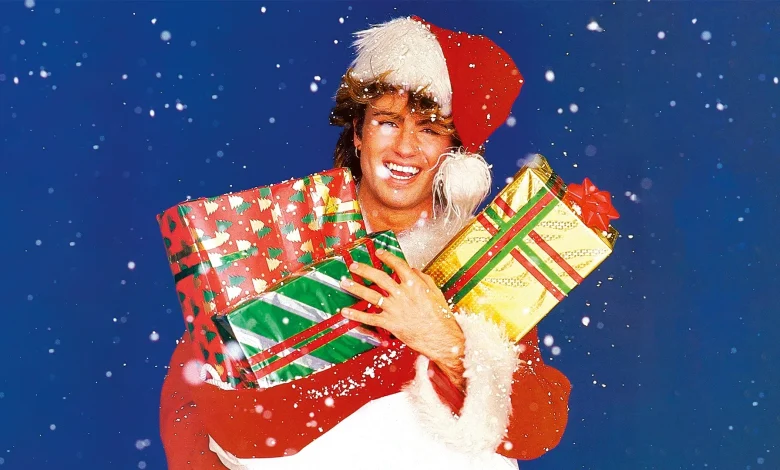
For 40 years, George Michael’s “Last Christmas” was the bridesmaid. The nearly-but-never-quite. The most successful single never to reach number one, it was pop’s great injustice.
And then the spell broke. In 2023, lifted by Spotify’s algorithm and a wave of goodwill, “Last Christmas” finally reached the top spot at Christmas, giving the much-missed pop icon and friend of Big Issue – a man fanatical about the season – the result he’d always wanted. And having scaled the mountain, the song decided it liked the view.
In 2024, the song marked its 40th anniversary by becoming the first in UK history to claim consecutive Christmas number ones. Now, heading into December 2025, it’s poised to do it again. Current odds hover around 1/2. It may well be Christmas number one next year too. And the year after that. And the one after that as well.
“Last Christmas” is the final boss of Christmas singles. Last year it drew 12.6 million streams in Christmas week. Streaming algorithms now run the chart, and in December those algorithms assume you’re listening to the same songs as everyone else. Millions of us fire up our Christmas playlists, Alexa starts singing about snow and reindeer, and the same tracks gather the same streams in the same order.
Get the latest news and insight into how the Big Issue magazine is made by signing up for the Inside Big Issue newsletter
The Christmas number one used to be a national event. People argued about it in pubs, placed bets, and tuned into the Top 40 to hear the result. It was news. Just look at 2009, when a public sick of being spoon-fed X Factor winners propelled Rage Against the Machine’s “Killing in the Name” to Christmas number one in a mass act of protest. The tradition meant something.