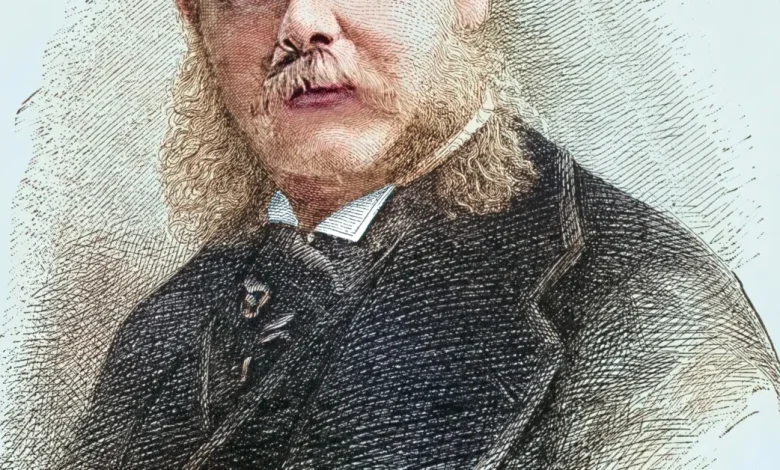
The new Netflix series “Death by Lightning” (based on the fantastic book, “Destiny of the Republic”) tells the true story of President James Garfield’s assassination in 1881 and portrays the beginning of Chester Arthur’s presidency that followed. Yet in this retelling of the national trauma, the show tragically erases a pivotal figure who helped change history: Julia Sand, the impassioned young woman who wrote 23 letters to Arthur challenging him to reject his corrupt past and seek reform of the political patronage system.
Julia Sand’s story is crucial, not only to Arthur’s narrative but to our nation’s history.
First, Sand, an ordinary citizen from New York, had the nerve to confront corruption with strong moral clarity. As “Death by Lightning” viewers are made aware, Arthur had a dubious political record. He was chosen as vice president not for his virtue or to be a potential successor, but for his political connections as a leading member of the powerful New York political machine. This machine relied on patronage, aka the spoils system, by which government jobs were handed to people based on political favors rather than merit.
Garfield had established himself as an idealist reformer with political beliefs that were antithetical to the man who was to become his vice president. But the bullet of assassin Charles Guiteau ended the life of Garfield and thrust Arthur unprepared into the presidency. Enter Julia Sand. She seized an opportunity to boldly petition the new president to abandon his corrupt past and instead do what was best for the country. “You have been connected with the side which represents the wrong—the machine—the thing which I politely request you to smash,” she admonished him in an October 1881 letter.
Second, the timing mattered. Sand was there when Arthur most desperately needed someone to believe in him. Arthur’s wife had died, Garfield’s cabinet members resigned within months of Arthur taking over, and the press echoed the public’s overwhelming lack of trust in their new president. Yet Sand took it upon herself to write to him consistently, with honest feedback and encouragement. It was a critical lifeline Arthur wasn’t getting elsewhere. Sand evidently deemed this task as something of a calling:
“You have it in your power to do so much good — & so much harm—that it is impossible to be indifferent as to your actions. If I could know that you had resolved in the depths of your heart to serve the country faithfully & never let any small or selfish aim drag you from the path of duty, if I should never see you, I would be willing to give up all I have gained in health & lie here & suffer till the end of my life. And if I could think that I had influenced you in the smallest degree toward forming that resolution, I should feel that I had not lived in vain.”
Finally, Sand’s story is compelling because her words and efforts made a real difference. Arthur remade himself into a respectable president and reformer, initiating the country’s move away from patronage politics and toward a civil service system based on merit. Though Arthur never wrote back to Sand, he not only kept all of her letters but made a surprise personal visit to her family’s home to thank her for what she had done for him.
Read more at The Daily Signal