The US will soon require H-1B visa applicants to make their social-media profiles public so consular officers can review their online activity, a State Department spokesperson told Business Insider.
Beginning December 15, consular officers worldwide will conduct “online presence reviews” for all applicants in the H-1B specialty-occupation category, along with their H-4 dependents, the spokesperson said.
The policy, which the department described as part of the Trump administration’s focus on “protecting our nation and our citizens,” marks one of the broadest expansions of digital vetting ever applied to foreign workers.
Applicants will be instructed to adjust their privacy settings to “public” across all social-media platforms, ensuring officers can access posts, networks, employment information, and other digital activity.
The agency already conducts similar reviews for foreign students and exchange visitors in certain categories.
However, the new directive extends this practice to one of the most widely used visa pathways in the US labor market.
“A US visa is a privilege, not a right,” the spokesperson said. “In every visa case, we will take the time necessary to ensure an applicant does not pose a risk to the safety and security of the United States.”
The spokesperson declined to comment on reports of an internal State Department cable outlining additional vetting criteria, but confirmed that the new policy will apply globally to applicants “of all nationalities.”
Crackdown on the H-1B program
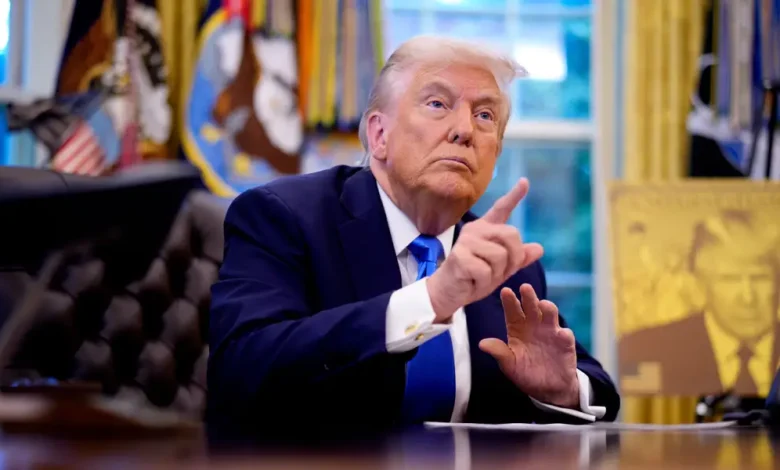
The move deepens a broader overhaul of the H-1B system under President Donald Trump.
Trump signed an executive order in September imposing a $100,000 fee on new H-1B visa applications, a move that sent Silicon Valley scrambling and left employers warning foreign workers not to travel.
That policy — aimed at curbing what the administration called “abuses” of the system — has been met with confusion, fierce criticism, and an ongoing legal challenge, saying the president lacks authority to impose such fees.
The program allows US employers to hire highly skilled foreign workers in fields such as engineering, software development, biotech, and finance — industries where companies often rely heavily on international talent.
Major firms, including Amazon, Microsoft, Alphabet, Meta, Apple, Intel, and Nvidia, collectively sponsor tens of thousands of H-1B roles each year.
Do you have information about the State Department cable referenced in this story? Email tspirlet@insider.com.