
Quick Read
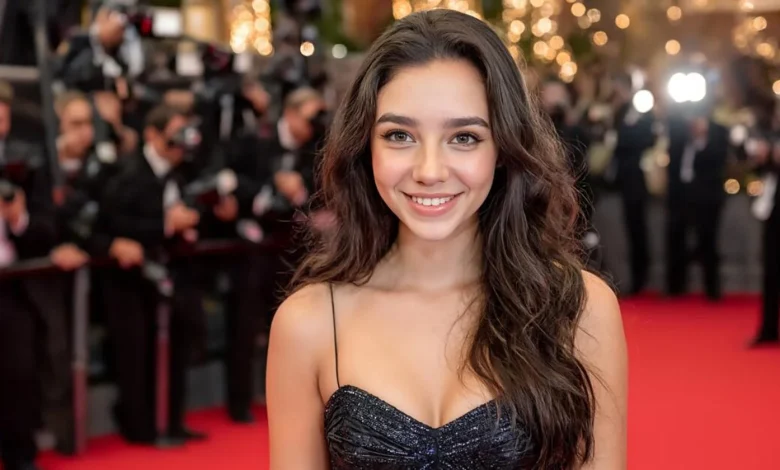
- Tilly Norwood is an AI-powered actress created by Eline Van der Velden.
- Van der Velden assures Norwood will not take traditional film or TV roles from real actors.
- Talent agencies have refused to represent Norwood, reflecting industry concerns.
- Norwood’s creator sees AI as a new genre, not a replacement for human performers.
- Xicoia is recruiting industry professionals to help develop Norwood’s operations.
Tilly Norwood’s Arrival: AI and the Acting World Collide
In the final months of 2025, the entertainment industry found itself facing a new kind of controversy—one not born from scandalous scripts or star-studded feuds, but from the debut of Tilly Norwood, an AI-powered actress created by Eline Van der Velden. As news of Norwood’s launch made the rounds, it wasn’t just the promise of technological innovation that caught Hollywood’s attention—it was the fear that AI could fundamentally reshape the landscape for working actors.
Industry Fears: Will AI Replace Human Talent?
For years, artificial intelligence has been quietly transforming back-end processes in film and television—from CGI enhancements to script optimization. But with Norwood’s introduction in September, AI stepped into the spotlight, raising a pressing question: Could a digital performer threaten the livelihoods of real, human actors? The reaction was swift. Talent agencies publicly vowed not to represent Norwood, and social media buzzed with concern about the future of creative jobs. Some called her debut a “wake-up call,” while others worried about a slippery slope toward automation in the arts.
Van der Velden, CEO of the tech company Xicoia and Norwood’s creator, took to video interviews to address these anxieties head-on. “As an artist, you always try to provoke interest and thought in the audience,” she explained to AP News. “I underestimated the effect that Tilly would have on the world. In the end, that was the effect I was trying to have. I wanted to show the world where the tech is at.”
Setting Boundaries: Norwood’s Role in Film and TV
Van der Velden’s message was clear: Norwood isn’t meant to compete with or replace living actors. “We turned down any roles in the traditional film and TV industry,” she stated, emphasizing that the AI actress would not be taking jobs from human performers. Instead, Van der Velden sees Norwood as the beginning of a new “genre”—a space where artificial intelligence can coexist with traditional creative arts, not overtake them.
Her company’s strategy reflects this philosophy. Rather than signing Norwood to talent agencies or pushing her into mainstream productions, Xicoia is actively recruiting experienced professionals from the conventional entertainment sector. “We like people with experience and bringing that experience into this new art form with AI,” Van der Velden noted. The team is seeking out comedy writers and production coordinators, giving them “funky job names” to match the experimental spirit of the project. For Van der Velden, it’s not about replacing tradition, but about expanding the boundaries of what’s possible in performance.
The Wider Conversation: AI’s Place in Creativity
The debate over AI in the arts is hardly new, but Norwood’s emergence has crystallized a set of concerns unique to actors. While visual effects artists, writers, and editors have contended with automation for years, performers have largely remained insulated—until now. With the creation of an AI actress capable of delivering lines, expressing emotion, and even improvising, the prospect of “digital talent” is no longer theoretical.
Some industry veterans argue that the human experience—nuance, empathy, and unpredictability—can’t be replicated by algorithms. Others, however, see potential in AI as a tool for experimentation, collaboration, and even accessibility. Could AI performers enable new kinds of storytelling, or will they become a threat to jobs and creative authenticity? For now, the answer remains unclear.
What Comes Next: Navigating an Uncertain Future
Van der Velden’s attempt to reassure the industry has done little to quiet all fears. The skepticism persists, fueled by memories of past technological upheavals—motion capture, digital doubles, and the rise of streaming services. But as she points out, Norwood’s journey is just beginning. The real challenge may not be technical, but philosophical: How do artists, audiences, and executives define what it means to perform?
As Xicoia continues to build its creative team from traditional industry talent, the lines between human and machine artistry may blur, but Van der Velden’s commitment is to keep them distinct. For now, Norwood will remain an experiment—a provocative symbol of change, rather than a replacement for the real thing.
Assessment: The launch of Tilly Norwood has forced the entertainment world to confront difficult questions about the role of AI in creative fields. Eline Van der Velden’s assurances, paired with her decision to keep Norwood out of traditional acting roles, reflect a nuanced understanding of both the promise and the peril of technology in art. The industry’s reaction reveals deep-rooted anxieties, but also a willingness to engage with new forms of expression. Whether Norwood’s presence will ultimately reshape the future of acting remains to be seen, but her debut marks a critical moment in the ongoing dialogue between innovation and tradition.


