Why soccer fans are ‘astonished’ by the ‘extortionate’ ticket prices for next year’s World Cup

With the men’s World Cup kicking off in around six months, fans should be getting excited to go watch their national team play in North America next summer.
But, after the latest phase of ticket sales was launched this week, doing so might cost them more than they had expected – with a ticket for the final costing more than $4,000.
Such prices have triggered outrage from fans across the world, with some of the most loyal soccer supporters being priced out of the tournament.
The wave of criticism has come after FIFA allocated tickets to national associations for participating teams on Thursday, in what the governing body calls the Participating Member Association (PMA) allocation.
It essentially allows individual federations to sell tickets to their most loyal fans, who qualify through supporter groups or loyalty schemes.
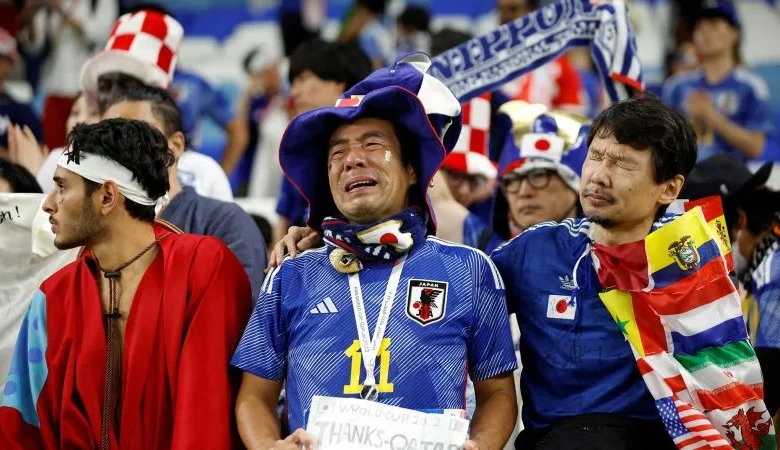
Many of these passionate fans, who have spent years following their team, are now facing a dilemma – stump up the cash or watch from home and save their bank balance.
Football Supporters Europe (FSE), a group which represents the interests of fans, said it was “astonished by the extortionate ticket prices imposed by FIFA on the most dedicated supporters.”
It called on FIFA to halt ticket sales “until a solution that respects the tradition, universality, and cultural significance of the World Cup is found.”
According to the FSE statement and information available to them, a loyal fan would need to pay at least $6,900 to follow their team from the first group game to the final. The FSE said that’s “nearly five times as much” as during the previous World Cup in Qatar.
It’s not just the ticket prices that fans have to worry about, but also travel fees and accommodation costs.
The fear is that those who have dedicated years following their national teams will not be present at the tournament, losing out to those who can afford to pay whatever it takes. That may have a knock-on effect on atmosphere at games across Mexico, USA and Canada next year.
Let’s take England fans as an example.
The English Football Association shared the pricing structure to its loyal fan groups on Thursday, with the cheapest ticket for England’s opening game against Croatia costing $265.
Should England reach the final, the cheapest ticket would cost fans $4,185, with the most expensive going for $8,680.
To make matters harder for fans, they are expected to pay for the tickets by early 2026.
The Football Supporters’ Association (FSA) – which represents soccer fans in England and Wales – said the prices were “a step too far for many supporters.”
“Everything we feared about the direction in which FIFA wants to take the game was confirmed – (FIFA President) Gianni Infantino only sees supporter loyalty as something to be exploited for profit,” the FSA added.
FIFA has already launched two ticket sale phases but both were before the draw and match schedule was confirmed earlier this month. It means this is the first time that fans have been able to request tickets for matches they know their team is playing in.
The governing body has long boasted that this will be an affordable World Cup for fans, confirming there would be four categories for tickets, the cheapest seeing tickets costing $60 tickets for group games.
Those cheaper tickets, though, have not been made accessible to national associations, meaning the most loyal fans would have to pay more to ensure they see their team play.
CNN Sports has reached out to FIFA for comment but has yet to receive a reply.
Those fans who don’t qualify for the PMA allocation can also now request tickets for individual matches through the Random Selection Draw, which also opened on Thursday.
For the first time in the history of the World Cup, though, there will be no flat price for group stage matches – with each game priced according to demand. This means fans from different nations will be paying different prices for matches at the same stage of the tournament.
“This is a monumental betrayal of the tradition of the World Cup, ignoring the contribution of supporters to the spectacle it is,” FSE added.
With fans being the lifeblood of soccer, pressure is already mounting on FIFA to make next year’s World Cup more accessible to all.