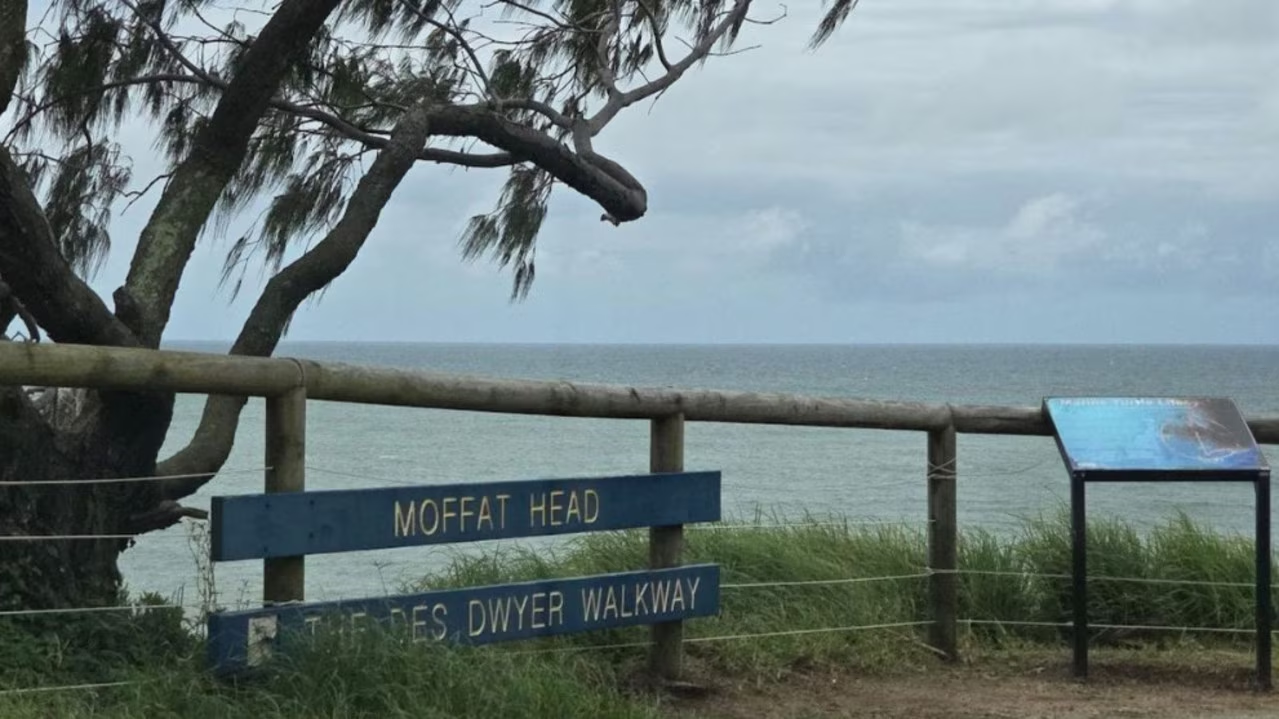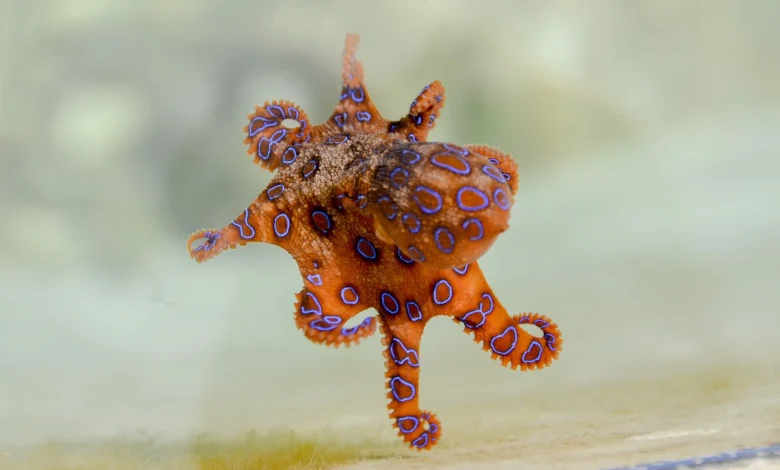
A tiny sea creature with a reputation far bigger than its body has triggered a fresh safety alert on Western Australia’s south coast. The City of Albany has issued a public warning after a blue-ringed octopus was reported near Emu Point, urging beachgoers to tread carefully—especially around rocks, shells and debris in shallow water. Source.
The warning follows community reports made on Tuesday, with officials reminding locals that blue-ringed octopuses can be life-threatening even though the bite may not hurt at first. In other words: it’s exactly the kind of risk that can catch people off guard on a warm day at the water’s edge. Source.
What happened at Emu Point
According to the Albany Advertiser, the City of Albany issued the alert after a blue-ringed octopus was seen at Emu Point. One local, Simon Williams, also shared that he found a dead blue-ringed octopus on his boat carpet the same day, saying he was lucky he was paying attention and wearing shoes. Source.
The city’s message to beachgoers was blunt: these animals are small, but “highly venomous,” and people should be extremely cautious when handling dead shells, discarded cans or bottles, or when turning over rocks in shallow areas—exactly the sort of thing kids and curious swimmers do in rock pools. Source.
Why the warning matters
Blue-ringed octopuses are often described as “secretive” for a reason: they hide in crevices, empty shells and clutter on the seafloor, and they’re generally more interested in escaping than confronting humans. But when they’re disturbed—picked up, stepped on, or trapped—they can bite, and the venom can act fast. Source.
The most dangerous part is how easy it is to underestimate the situation. Multiple medical and first-aid resources note that the bite may be painless or not immediately obvious, while symptoms can progress from tingling and numbness to breathing trouble and paralysis. That’s why this is treated as a medical emergency in Australia. Healthdirect and Better Health Channel.
Where they can turn up around Albany
The City of Albany warning also comes with an important bit of local context: this is not the first time blue-ringed octopuses have been reported in Albany waters. The Albany Advertiser notes previous sightings around the coast, including Quaranup Beach, Nanarup Beach and Rushy Point, as well as reports linked to crab nets and cray pots pulled up from King George Sound and Princess Royal Harbour. Source.
That matters because the risk isn’t limited to swimmers. People fishing, crabbing, checking pots, or cleaning gear at the end of the day can also come into contact with animals hiding in unexpected places—especially if they’re handling shells, seaweed, or debris without gloves.
What locals are being told not to do
The guidance is simple, but it needs repeating because the most common danger is accidental contact:
- Don’t pick up shells in rock pools or shallow water—an octopus can shelter inside. Source.
- Don’t turn over rocks with bare hands, and be careful around crevices. Source.
- Don’t handle dead sea creatures or debris you find on boats or near the shoreline. Source.
- Keep kids close near rock pools and teach them “look, don’t touch.”
- Wear footwear where practical on rocky edges and shallow areas—one local said shoes helped him avoid contact when he discovered a dead specimen. Source.
If someone is bitten: treat it as an emergency
If you suspect a blue-ringed octopus bite, Australian health guidance is clear: call 000 immediately and keep the person as still as possible. Pressure-immobilisation is recommended for blue-ringed octopus envenomation (similar to snakebite first aid), and CPR may be needed if breathing becomes affected. NSW Poisons Information Centre and Better Health Channel.
Healthdirect also lists symptoms that may include numbness, muscle weakness, changes in vision or speech, and trouble breathing—and stresses urgent medical help. Healthdirect.
The bottom line for summer beach days
Albany’s coastline is one of WA’s great summer drawcards, and sightings like this don’t mean people need to avoid the beach. But it does mean adjusting habits in the spots where risk is highest: rocky shallows, shells, crevices, and any area where kids are tempted to explore with their hands.
The City of Albany’s advice is to stay well away from any blue-ringed octopus you see and report the sighting rather than trying to “move it along.” If you’re walking around Emu Point and nearby beaches in the coming days, the safest approach is simple: watch where you step, don’t handle shells or debris, and treat anything unusual in the shallows as something you leave alone. Source.
blue-ringed octopus Albany, Emu Point warning, Albany beach safety alert, WA octopus sighting, blue ringed octopus first aid, pressure immobilisation bandage, King George Sound cray pot octopus, Princess Royal Harbour sightings, Quaranup Beach blue ringed octopus, Nanarup Beach octopus
Discover-ready 4:5 feature image prompt
Prompt: A high-resolution editorial photograph of a Western Australia rocky shoreline at Emu Point-style beach scenery: shallow clear water over rocks and seaweed, a small octopus-shaped silhouette partially hidden in a rock crevice (no graphic detail), a pair of beach shoes and a child’s small bucket placed safely back from the waterline to suggest caution. Natural summer daylight, documentary realism, neutral colour grading, shallow depth of field, calm but alert mood. No readable text, no logos, no branding, no close-up of a real animal, no gore. Vertical 4:5 composition, sharp focus, optimized for Google Discover, file size under 300KB.