Key Points
- The Met Office issued amber and yellow rain warnings across south and southwest Wales and southwest England from December 15 to 17, 2025, predicting heavy rainfall and flooding.
- Local authorities, including Neath Port Talbot Council, deployed resources to manage flooding, clear drainage, and provide sandbags to affected communities.
- Dense fog warnings on December 17 caused travel disruptions, with risks of flight delays and dangerous road conditions due to saturated ground and persistent rain.
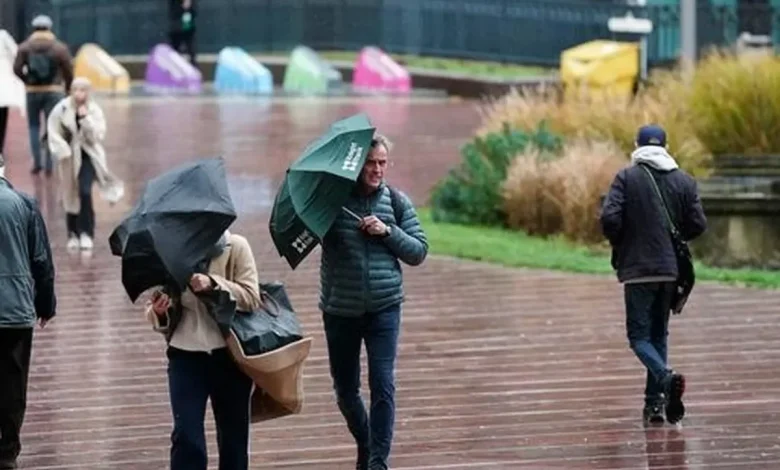
As winter tightens its grip across the United Kingdom, a barrage of heavy rain, dense fog, and persistent storms has left communities from south Wales to North Wales and southwest England bracing for more disruption. From flooded homes and blocked roads to travel chaos and mounting calls for action, the relentless weather has set nerves on edge and highlighted the country’s ongoing vulnerability to extreme conditions.
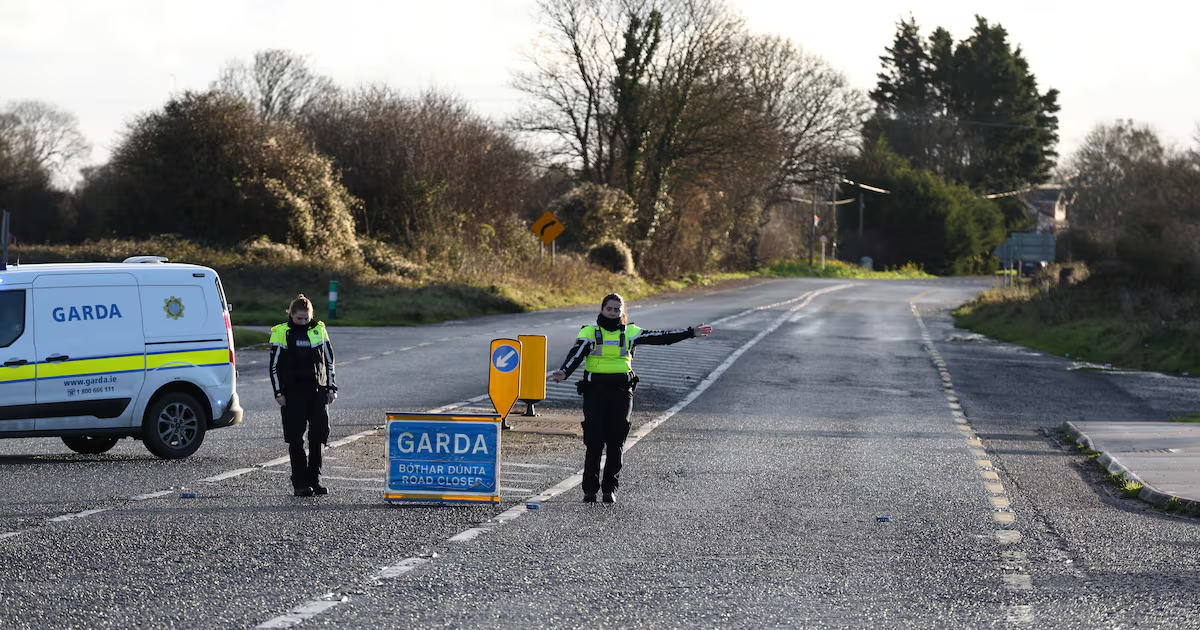
On Monday, December 15, 2025, the Met Office issued an amber rain warning for possible danger to life in parts of south and southwest Wales. The warning, which ran from 3am until 9pm, signaled the seriousness of the situation, with 50mm to 80mm of rain expected widely and nearly 100mm in some areas. According to the BBC, Neath Port Talbot was among the worst-hit regions. Residents like Dawn, who lives on Pant Yr Heol in Briton Ferry, woke to the alarming sight of floodwater entering their homes. “I only noticed there was an issue when I couldn’t hear any traffic at 7 o’clock. When I got out of bed I could see the road was just full of water,” she told reporters.
Local authorities sprang into action. Neath Port Talbot Council reported that “all resources are deployed in response to the heavy rainfall, including highways, drainage and neighbourhood operational teams.” Their crews worked tirelessly to clear drainage infrastructure and deliver sandbags, prioritizing property flooding and high-speed road flooding. The council urged drivers to “please drive carefully if you are making journeys in Neath Port Talbot today.”
Yet the threat was not limited to Wales. As the week progressed, the Met Office extended yellow rain warnings to other parts of the UK. On Tuesday, December 16, many areas enjoyed a brief respite with dry weather and sunshine, though southeast England remained under clouds and patchy rain, and northwest Scotland saw a few showers. However, the BBC noted that ground conditions remained saturated in many western areas, with flood alerts still active across England and Wales. Clear overnight skies brought a chill, widespread frost, and fog patches, setting the stage for further complications.
By early Wednesday, December 17, the weather took another turn. The Met Office issued a yellow warning for fog from midnight until 10am, affecting central and northern England, particularly the East Midlands and Cambridgeshire. Dense fog patches led to difficult travel conditions, and the forecast warned of the possibility of flight delays or cancellations. “Areas of fog will develop on Tuesday night, initially across the west of the warning area before spreading east through the night. Patches of dense fog are expected which may lead to difficult travel conditions,” the Met Office advised, as reported by The Independent.
But it was the renewed threat of rain that truly unsettled residents and officials. A yellow warning for rain was in place from 10am to midnight on Wednesday for southwest England and southern Wales, with 10 to 20mm of rain likely widely and up to 40 to 60mm possible over Dartmoor and the hills of south Wales. The Met Office cautioned, “A period of rain, heavy at times, especially over high ground, will move slowly east across this region during Wednesday. Coming off the back of recent very wet weather, some travel disruption and flooding is likely across much of the warning area.”
Travel disruption quickly followed. Flooding to homes and businesses, delays to train and bus services, and the risk of fast-flowing rivers creating a “danger to life” were all highlighted in official warnings. The RAC’s Alice Simpson emphasized the seriousness: “A danger to life warning is as serious as it sounds, especially at this time of year when the roads are extremely busy in the run-up to Christmas. Although millions more people will be on the roads this week, the safety guidance remains the same: slow down, leave extra stopping distance and don’t risk driving through standing water unless you’re absolutely sure it’s shallow enough.”
Looking ahead, the unsettled pattern showed no signs of letting up. Neil Armstrong, Chief Forecaster at the Met Office, explained, “We’re set to see an unsettled week as low-pressure systems push fronts across the UK. With recent heavy rain, further wet conditions will increase the risk of flooding. With that in mind, it’s important to stay up to date with the latest Met Office forecast and warnings and remember to never drive through flood water.” Thursday, December 18, brought another round of yellow warnings for rain across southwest England and south Wales, with strong winds gusting over 50 mph in exposed coastal areas. Frequent blustery showers were expected to continue into Friday, before yet another low-pressure system threatened to bring further heavy rain and unsettled conditions into the weekend.
In North Wales, the story was all too familiar. According to North Wales Live, communities like Pwllheli have become accustomed to holding their breath every time the rain falls. The town has faced recurring flood warnings and serious flooding, with roads such as the A497 and A499 sometimes cut off entirely. Local resident Elfed Wyn Morgan described the impact: “I don’t think I’ve ever seen it like this or not for years anyway. We had a message from school last week that buses and the children were being diverted because of flood waters, it is impacting more and more people. It is bad and it is getting worse, it seems to be getting worse and worse.”
Frustration is mounting among residents, who are calling for more than just studies and promises. Angie Jones voiced a common sentiment: “It’s a shambles. If they cleared out the rivers like they used to do years ago it would solve the problem. It’s 10 years since they cleared out the river at the back here. Time they sort their act out.”
Natural Resources Wales (NRW) acknowledged the ongoing challenges and said options are being considered to manage flooding in Pwllheli, including diverting floodwater to the sea via a new outfall and working with Cyngor Gwynedd on possible solutions. While sea defences have been implemented, many residents believe more needs to be done, such as dredging and clearing rivers to reduce the risk.
The Met Office, meanwhile, continues to urge the public to prepare for flooding and travel disruption. They recommend checking if properties are at risk, preparing flood plans, and assembling emergency flood kits. “There is a chance that homes and businesses could be flooded, causing damage to some buildings,” the forecaster warned, while also noting the small but real risk of fast-flowing or deep floodwater causing danger to life in the worst-hit areas.
As communities across the UK endure another week of rain and uncertainty, the calls for lasting solutions grow louder. Whether it’s clearing rivers, investing in new infrastructure, or simply keeping a wary eye on the sky, the nation’s resilience is being tested—one storm at a time.