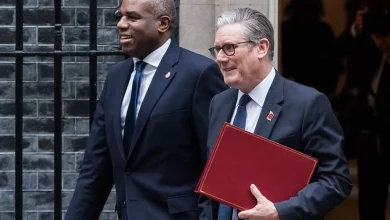
Just a week after the Budget froze student loan repayment thresholds, even the media class is waking up to the reality of the graduate tax trap – a 9 per cent burden for students, even for those on already low incomes. Robert Peston, during an interview with Martin Lewis, admitted he was ‘shocked’ that graduates are forced to start repayments when their earnings are barely above the minimum wage. Peston even went as far to say, “it seems scandalous to me.”
If Peston wanted an insider’s view, he found it. Lewis has been at the heart of student finance since 2011, leading government-backed task forces and collaborating with the university lobby. Yet, much of this work has focused on aesthetics rather than affordability. In 2018, the focus was on masking the reality of growing balances because the truth was too ‘disheartening.’ But you can’t rebrand your way out of a bad deal; graduates can see the interest charges for themselves, and they know they’re being short-changed.
While these collaborations claimed to ‘explain the facts,’ the commercial incentive for the university lobby is blindingly obvious. Universities UK (UUK) has a vested interest in keeping the conveyor belt of students moving, regardless of the debt being piled onto young people. For the ivory-tower bosses, it’s about protecting their bottom line. By downplaying the terrifying reality of these loans, they’ve managed to keep student numbers high, effectively tricking a generation into paying for an increasingly bloated higher education sector
Apart from working with UUK, Lewis has talked about this issue almost incessantly across the media, and ensured that what he says matters immensely to the public perception. Most of his output errs towards downplaying concerns and leaning towards HE advocacy and he often uses phrases like “what really counts is that no student is wrongly put off going to university”. At the end of a recent podcast, though he concludes with a statement that he can’t tell anybody whether it is personally worth it for them to go to University, he also drops in many positive phrases such as earning more as a graduate, the spiritual worth of getting the job you want to do and the emotionally mind-broadening student experience.
Though he does take the time to explain issues in full, it is unlikely that many will take time to understand the details. This makes his eye-catching headline statements troubling, as they act as dampeners to concerns, but they don’t stand up to reason as stand-alone statements:
The claim that high fees are irrelevant is a classic case of public-sector accounting. It only holds water for those already trapped in 40 years of debt – graduates who will never see their balances hit zero. For everyone else, including the millions of hard-working people who never went to university, this system is an insult. It creates a massive, hidden liability for general taxpayers while insulating university bosses from the need to provide actual value for money. We aren’t ‘broadening minds’, we are broadening the national debt.
In his hour-long video ‘Student Loans Decoded’ from 2019, Lewis appears to stray into evangelical preacher territory warning children against listening to concerned parents whom he mocks and claims they say “It’s a debt, it’s a debt, it’s a debt. 60 thousand pounds. How is my life going to work, what are my children going to do?”
But parental concerns are legitimate and absolutely should not be ridiculed. It is a real debt that somebody has to pay back; initially the graduate and then written off by general taxpayers. And to make matters worse, my research shows that up to half the graduates financially end up with just the debt and get no, or very little, improved career pay.
We are sleepwalking into a debt crisis, and the supposed experts are leading the way. Nearly half of all graduates will be burdened by loan repayments until they reach retirement age, paying for a system that prioritised university budgets over student value. For a ‘Money Saving Expert’ to give this a pass is nothing short of extraordinary. The contradiction is clear – you cannot champion the consumer while cheerleading for a system that saddles them with decades of debt for an uncertain career outcome. It’s time for some honesty, not more shocked faces on news programs, but a fundamental rethink of a system that is failing both students and the taxpayers who underwrite it.
Paul Wiltshire is the founder of Universitywatch.org and the author of the report ‘The Graduate Debt Trap & Lower Academic Entry standards